


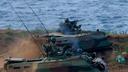
NATO Member Prepares for Worst-Case Scenario in Exercise Not Held Since 1952
Translated from Croatian and summarized by DistantNews. Read the original for the full story.
At a glance
News
Named sources
Context piece
- Sweden included mass-casualty procedures in its largest military exercise since the 1990s, involving about 18,000 troops from 13 nations.
- The drill covered the recovery and identification of remains, notification of allied embassies and the International Committee of the Red Cross, and military burials.
- More than 500 body bags and mannequins represented fallen soldiers, while officials said medical teams would need to adapt supplies for mass-casualty scenarios.
Sweden has rehearsed what could be one of the most difficult duties of wartime: recovering, identifying and burying large numbers of its own fallen soldiers. The exercise marked the first time in decades that the country had practiced the full procedure on this scale.
The drill formed part of Sweden’s largest military exercise since the 1990s. Held from late April to mid-May, it brought together about 18,000 troops from 13 nations. More than 500 body bags and mannequins representing dead soldiers were used in the training.
I am proud to have been part of this. The last time this was practiced was, I believe, in 1952, so I am proud to have contributed.
The procedures included locating remains, identifying them, informing allied embassies and the International Committee of the Red Cross, and carrying out burials with military honors. The Church of Sweden, which is responsible for burials in the country, also took part.
major adjustments
“I am proud to have been part of this. The last time this was practiced was, I believe, in 1952, so I am proud to have contributed,” the commander said. A military doctor said medical teams would need “major adjustments” to the way they prepare and receive supplies for mass-casualty situations. One soldier said the exercise gave participants “a clearer understanding of the consequences of war.”
The exercise also highlighted an older Cold War planning figure. The Church of Sweden had previously been asked to prepare burial capacity for about 5% of the population, or roughly 500,000 people. That figure is a planning benchmark from the Cold War era, not an estimate of expected casualties in a future conflict.
a clearer understanding of the consequences of war
About this summary
Originally published by Večernji List in Croatian. Translated, summarized, and contextualized automatically by DistantNews, with a note on how the source frames the story. Not individually reviewed before publishing. How this works.
More Stories
From Our Blog

What Gets Lost (and Found) When News Is Translated

The Critical Role of Diaspora Media in Global News

What Travellers Should Know About Countries with Restricted Press

A Digital Nomad's Guide to Following Local News

How the Same Story Looks Different in Different Countries
