

NATO Summit Under Strain: Will Trump Give Europe the Red Card?
Translated from German, summarized and contextualized by DistantNews.
At a glance
News
Sources not specified
Context piece
- U.S. President Donald Trump criticized European NATO allies upon arrival at the summit in Ankara, questioning the alliance's value to the U.S.
- European leaders aim to convince Trump of NATO's continued importance during a working session, particularly regarding defense spending and burden-sharing.
- The summit faces challenges including the Iran war's aftermath and differing views on security priorities, with a focus on preventing a major crisis.
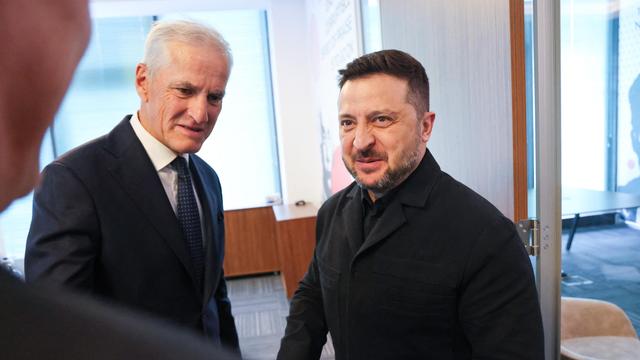
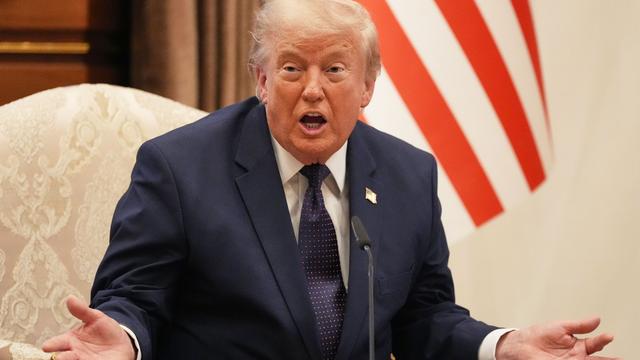
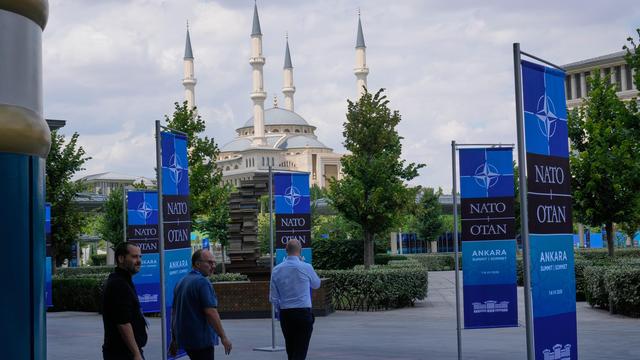
The NATO summit in Ankara presents a critical test for the alliance and its European members as they confront U.S. President Donald Trump's skepticism about NATO's value. Trump, who has openly questioned the alliance's benefits for the United States, arrived and immediately voiced criticism of European partners.
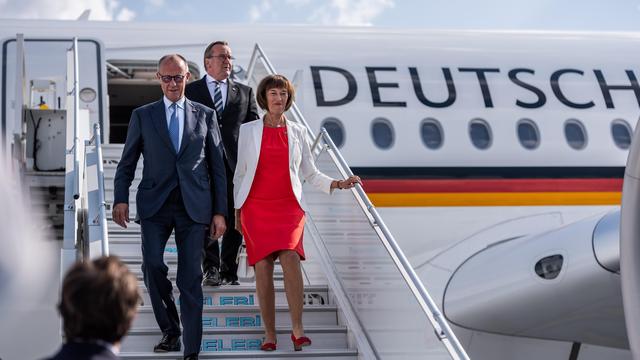
European leaders, including German Chancellor Friedrich Merz, are tasked with convincing Trump during a working session that NATO remains a vital alliance for the U.S. This mirrors challenges faced at the previous year's summit in The Hague, where defense spending quotas were a major point of contention. Despite Trump's rhetoric, there is cautious optimism among leaders like NATO Secretary General Mark Rutte and Chancellor Merz that a significant crisis can be averted, especially after reaching an agreement on the draft of the final declaration.
Key issues at the summit include the aftermath of the Iran war and Trump's frustration over perceived lack of support from allies. He expressed disappointment with NATO's role in the conflict. The final declaration is expected to state that Iran must never possess nuclear weapons and must respect freedom of navigation in the Strait of Hormuz.
Furthermore, the U.S. now views China as its primary security challenge, leading to a desire to bolster deterrence in the Indo-Pacific. This shift prompts demands for European nations to assume greater responsibility for their own continental defense. European allies and Canada are expected to signal their commitment to increased burden-sharing, aiming for "a stronger Europe in a stronger NATO – a modernized alliance."
NATO Secretary General Rutte highlighted the imbalance, noting the unsustainability of one country with 350 million inhabitants bearing a disproportionate load, especially given the geographical distance to Europe.
DistantNews Editorial
Originally published by Die Zeit in German. Translated, summarized, and contextualized by our editorial team with added local perspective. Read our editorial standards.
More Stories

From Our Blog

What Gets Lost (and Found) When News Is Translated

How the Same Story Looks Different in Different Countries

The Critical Role of Diaspora Media in Global News

What Travellers Should Know About Countries with Restricted Press

A Digital Nomad's Guide to Following Local News
