


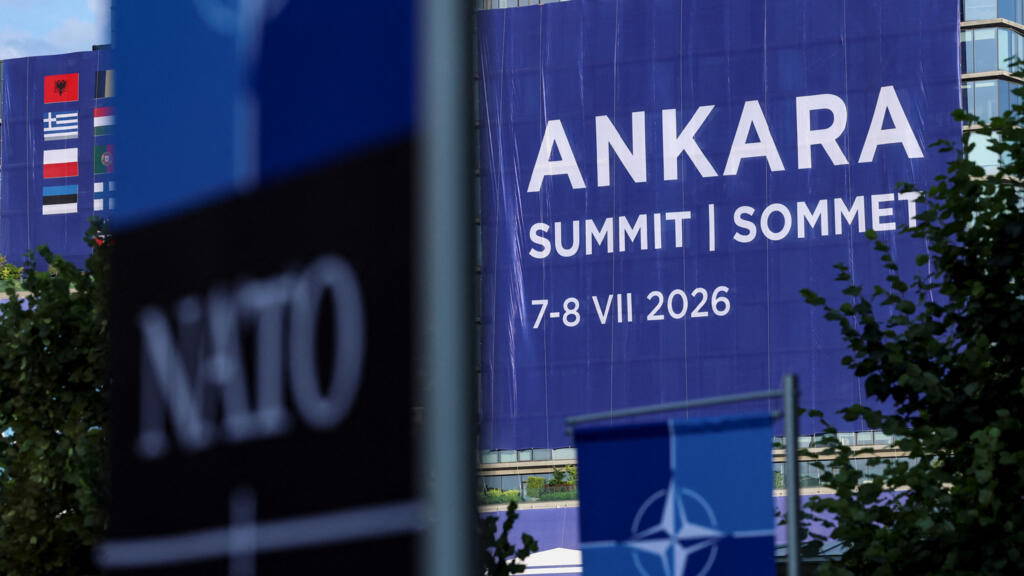
NATO to announce multi-billion dollar arms deals at Ankara summit
Translated from Turkish, summarized and contextualized by DistantNews.
At a glance
News
Sources not specified
Context piece
- NATO leaders are set to announce multi-billion dollar arms deals ahead of the Ankara summit, responding to U.S. pressure for increased European defense spending.
- These agreements aim to demonstrate European commitment to defense, particularly in light of Russian aggression and U.S. demands.
- European nations and Canada have significantly increased defense spending, exceeding $570 billion in 2025, a nearly 20% rise, signaling a shift in burden-sharing.
As NATO leaders prepare for a summit in Ankara, they are poised to announce defense industry agreements worth billions of dollars. This move comes as a direct response to pressure from U.S. President Donald Trump, who has consistently urged European allies to increase their own defense expenditures.
The new commitments are intended to showcase European governments' dedication to bolstering their defense capabilities, especially amid heightened security concerns following Russia's invasion of Ukraine. The announcements are planned to coincide with a NATO defense industry forum, preceding Trump's arrival for a meeting with Turkish President Erdoğan and subsequent participation in the leaders' summit.
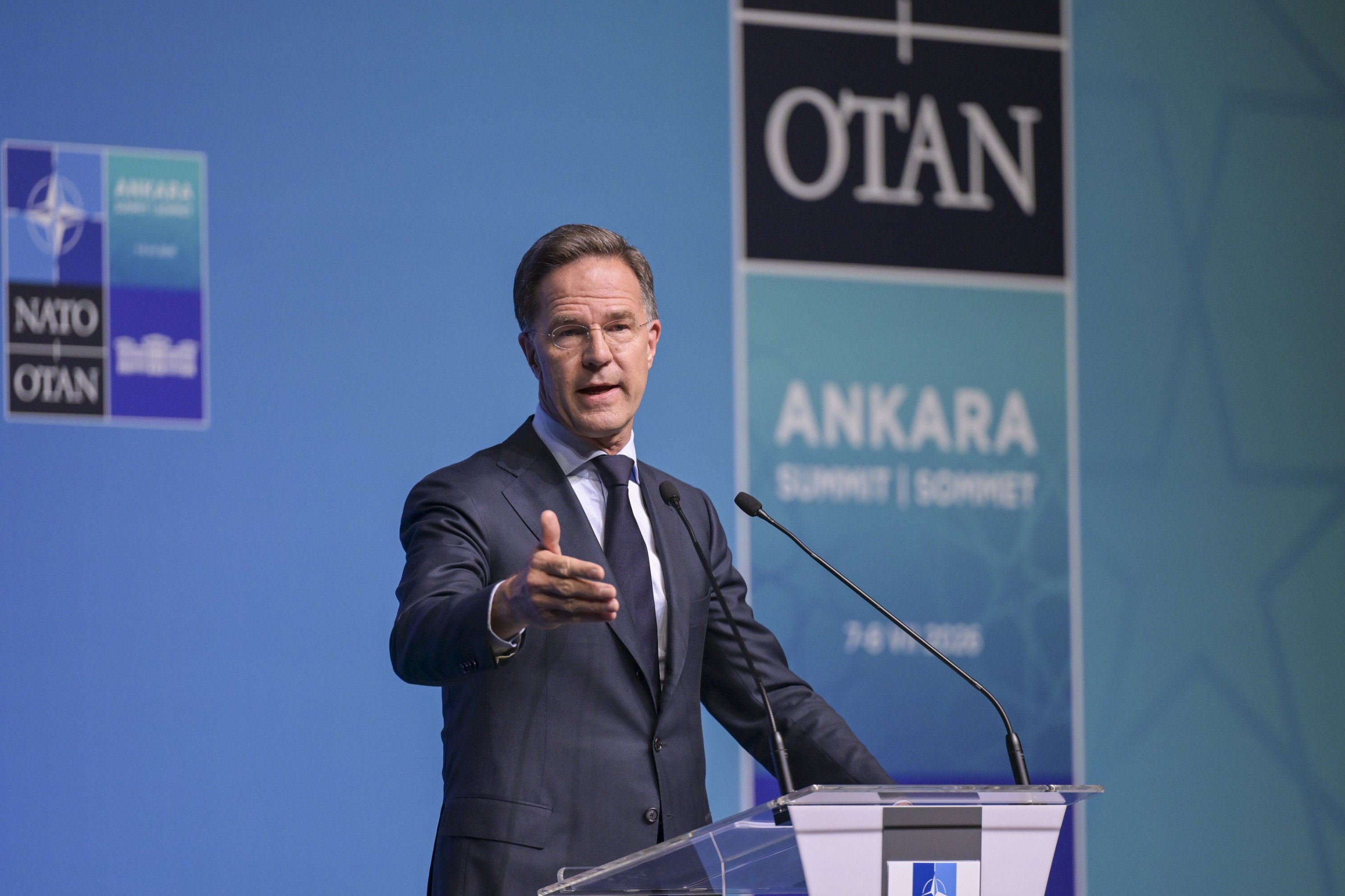
NATO Secretary General Jens Stoltenberg has noted "striking" increases in European defense spending, attributing this rise to both the ongoing security challenges posed by Russia and Trump's persistent criticism of European allies for perceived over-reliance on the U.S. for security. Trump has long argued that European nations should assume greater financial and military responsibility for their own defense.
According to Stoltenberg, European members of NATO and Canada have collectively increased their defense spending by $90 billion in real terms for 2025 compared to 2024, pushing total defense expenditures above $570 billion. This represents an approximate 20% increase within a year, which NATO leadership presents as evidence of Europe taking on a larger share of the defense burden. Despite these increases, Trump's criticisms have intensified, including accusations that European countries did not sufficiently support the U.S. during the Iran conflict and concerns raised by his suggestions of potential U.S. withdrawal from NATO or disregard for its mutual defense commitments.
çarpıcı
DistantNews Editorial
Originally published by Cumhuriyet in Turkish. Translated, summarized, and contextualized by our editorial team with added local perspective. Read our editorial standards.
More Stories


From Our Blog

What Gets Lost (and Found) When News Is Translated

The Critical Role of Diaspora Media in Global News

What Travellers Should Know About Countries with Restricted Press

A Digital Nomad's Guide to Following Local News

How the Same Story Looks Different in Different Countries
