


Natural Alternatives Replace Traditional Kitchen Sponges Amid Microplastic Concerns
Translated from Spanish, summarized and contextualized by DistantNews.
At a glance
In-depth
Named sources
Context piece
- A new trend is emerging globally, replacing traditional kitchen sponges with more natural and sustainable options.
- Conventional sponges, especially those made from melamine and plastic derivatives, contribute to microplastic pollution.
- Natural alternatives like loofahs and coconut fiber scrubbers offer biodegradable and reusable cleaning solutions.
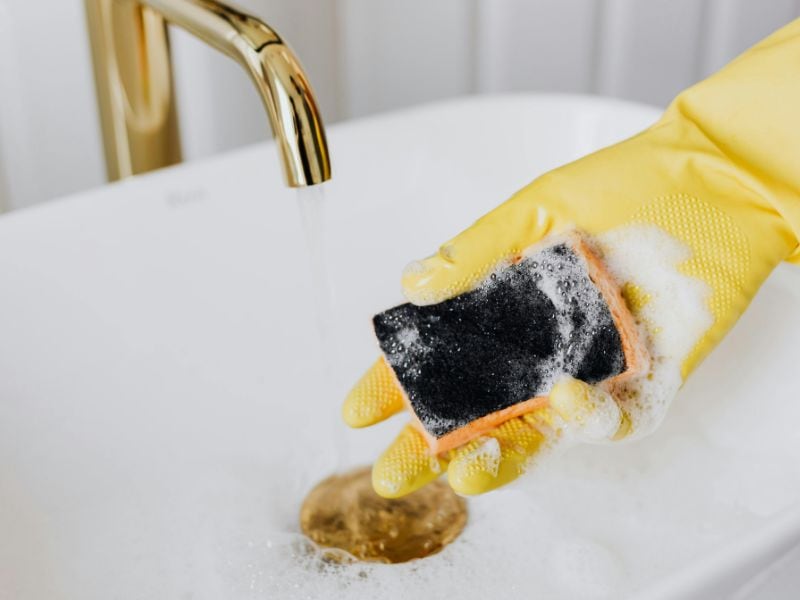
For decades, kitchen sponges were a staple, indispensable for tackling grease and grime on dishes, pots, and utensils. However, a growing global trend sees households replacing these traditional tools with more natural and sustainable alternatives. This shift is driven not just by fashion but by scientific warnings about the environmental impact of conventional sponge materials.
Sponges made from melamine and other plastic derivatives gained popularity for their effectiveness against tough stains, acting like microscopic sandpaper. Yet, this abrasive quality causes them to wear down, releasing tiny particles. These particles, often invisible, mix with water and contribute to microplastic pollution, a major environmental concern. A study in ACS Environmental Science & Technology found that a single sponge can shed millions of microscopic fibers during its lifespan, significantly impacting waterways and potentially entering the food chain.
In response to this environmental challenge, consumers are increasingly seeking cleaning solutions that minimize plastic waste. The natural loofah, derived from a gourd plant, has surged in popularity. Once the fruit matures and dries, its fibrous interior provides an ideal texture for cleaning surfaces and utensils. Loofahs are fully biodegradable, compostable, resistant, and reusable, making them a highly recommended eco-friendly option.
Beyond loofahs, other ecological alternatives are gaining traction. Scrubbers made from coconut fiber offer excellent cleaning power and durability. Products crafted from crushed walnut shells are also emerging as effective cleaning agents. These options provide consumers with viable ways to maintain kitchen cleanliness while reducing their environmental footprint.
DistantNews Editorial
Originally published by La Nación in Spanish. Translated, summarized, and contextualized by our editorial team with added local perspective. Read our editorial standards.
More Stories



From Our Blog

What Gets Lost (and Found) When News Is Translated

The Critical Role of Diaspora Media in Global News

What Travellers Should Know About Countries with Restricted Press

A Digital Nomad's Guide to Following Local News

How the Same Story Looks Different in Different Countries
