


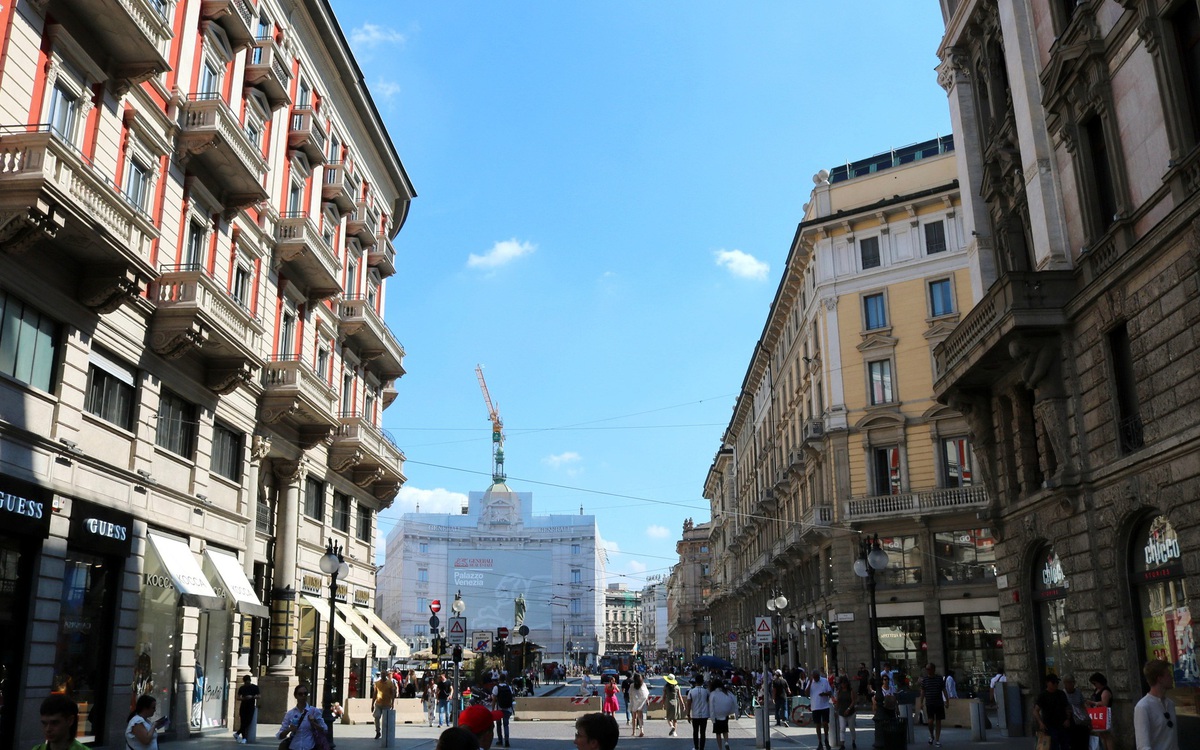
Natural Disasters Pose Existential Economic Threat to Italy, Study Warns
Translated from Vietnamese, summarized and contextualized by DistantNews.
TLDR
- A study by Unipol estimates that natural disasters could cause up to 14.4 trillion euros in reconstruction costs in Italy, seven times the country's GDP.
- Major urban areas like Rome, Milan, and Naples are identified as high-risk zones, with Lombardy, Emilia-Romagna, and Veneto showing the highest regional risk indices.
- A significant "protection gap" of 79% means only 21% of disaster damages are covered by insurance, and the government warns that relying solely on public funds for disaster recovery is unsustainable.
A stark warning has emerged from Italy regarding the escalating threat of natural disasters to its urban landscapes and economy. A comprehensive study by the Unipol insurance group, utilizing their proprietary Natural Risk Index (NRI), estimates that the cost to rebuild properties damaged by natural catastrophes could soar to an astronomical 14.4 trillion euros. This figure is particularly alarming as it equates to seven times Italy's current Gross Domestic Product (GDP), painting a grim picture of potential economic devastation.
The NRI marks an important step forward in how we approach natural disaster risk in Italy, helping to transform complex data into tools that support preventative policy planning.
The study highlights that major metropolitan centers, including Rome, Milan, and Naples, are disproportionately exposed to these risks due to their high concentration of valuable assets. Regionally, areas like Lombardy, Emilia-Romagna, and Veneto exhibit the highest risk indices, driven by dense populations and significant economic activity. This concentration of vulnerability underscores the need for targeted preventative measures and robust infrastructure resilience strategies.
Compounding the issue is a critical "protection gap," with a staggering 79% of potential damages currently uninsured nationwide. This means that only a fraction of those affected by disasters can rely on insurance payouts for recovery, placing an immense burden on individuals, businesses, and the state. The Italian Ministry of Economy and Finance has rightly cautioned that continuing to address disaster consequences solely through public budgets is an unsustainable model.
Continuing to address the aftermath of natural disasters with public budgets is unsustainable.
From an Italian perspective, this research is not merely academic; it's a call to action. For years, Italy has grappled with the aftermath of earthquakes, floods, and extreme weather events, spending over 100 billion euros in the last 12 years alone. The Unipol study provides a crucial tool, the NRI, to move beyond reactive measures towards proactive risk management and policy planning. It emphasizes the urgent need for both increased insurance awareness among businesses and citizens, and substantial long-term public investment in reinforcing infrastructure, particularly in high-risk, high-density areas. The message is clear: Italy must confront its vulnerability to natural disasters with a strategic, multi-faceted approach before the next catastrophe strikes.
There is a need to raise awareness about insurance, as currently only nearly 15% of Italian businesses have disaster risk insurance.
DistantNews Editorial
Originally published by Tuổi Trẻ in Vietnamese. Translated, summarized, and contextualized by our editorial team with added local perspective. Read our editorial standards.
More Stories

From Our Blog

What Gets Lost (and Found) When News Is Translated

The Critical Role of Diaspora Media in Global News

What Travellers Should Know About Countries with Restricted Press

A Digital Nomad's Guide to Following Local News

How the Same Story Looks Different in Different Countries
