



Nature Communicator: Caterpillar Should Not Be Removed From Amager Fælled
Translated from Danish, summarized and contextualized by DistantNews.
At a glance
News
Named sources
Context piece
- Pest control is removing the oak processionary moth caterpillar from Amager Fælled in Copenhagen.
- A nature communicator argues the caterpillar is a natural part of biodiversity and should not be removed.
- He states the caterpillar is part of the local food chain and its removal would reduce biodiversity.
Pest control has begun removing the oak processionary moth caterpillar from Amager Fælled in Copenhagen, a process that involves vacuuming the trees. However, nature communicator and photographer Frej Schmedes is on-site to advocate for the caterpillar's preservation.
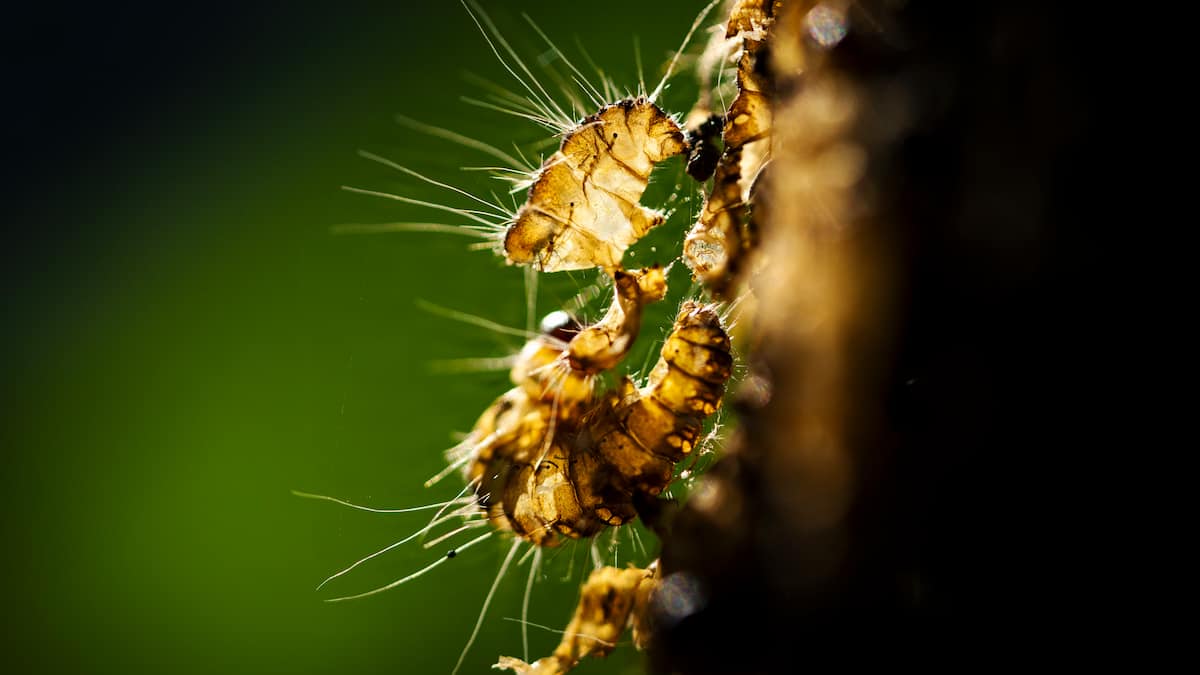
On Amager Fælled, there are quite a few communal webs from the oak processionary moth in the oak trees. The oak trees are old, and the webs are large, which means it has been here for quite a few years.
Schmedes argues that the caterpillar is an integral part of the local biodiversity and should not be eradicated. He points to the presence of large, established communal webs in the old oak trees on Amager Fælled, indicating the species has been present for years. The caterpillar, he explains, has arrived in Denmark within the last five to six years, likely due to warmer temperatures and climate change, and has gone largely unnoticed due to its camouflage.
It's on the menu here on Amager Fælled, so we should not reduce biodiversity, we should increase it.
Despite the widespread concern the caterpillar has caused nationally, Schmedes believes it poses no threat on Amager Fælled. He attributes this to the area's high biodiversity and robust food chain, which ensures the caterpillars are preyed upon at all stages, even when toxic. "It's on the menu here on Amager Fælled, so we should not reduce biodiversity, we should increase it," he stated.
The problem arises in places where there are only oak trees and no other nature.
While acknowledging that the oak processionary moth can be a localized problem in areas like Odense, where oak trees dominate and other natural habitats are scarce, Schmedes maintains it is not an issue on Amager Fælled. In such limited environments, he notes, predators that would consume the caterpillars are absent. Amager Fælled, however, boasts approximately 8,000 different species integrated into its natural food chain. He likens the situation to not eradicating mosquitoes just because they bite, emphasizing a need to tolerate and manage, rather than eliminate, species.
We should not eradicate everything we can feel. We should not eradicate the mosquitoes because they bite.
DistantNews Editorial
Originally published by Berlingske in Danish. Translated, summarized, and contextualized by our editorial team with added local perspective. Read our editorial standards.
More Stories

From Our Blog

What Gets Lost (and Found) When News Is Translated

The Critical Role of Diaspora Media in Global News

What Travellers Should Know About Countries with Restricted Press

A Digital Nomad's Guide to Following Local News

How the Same Story Looks Different in Different Countries
