


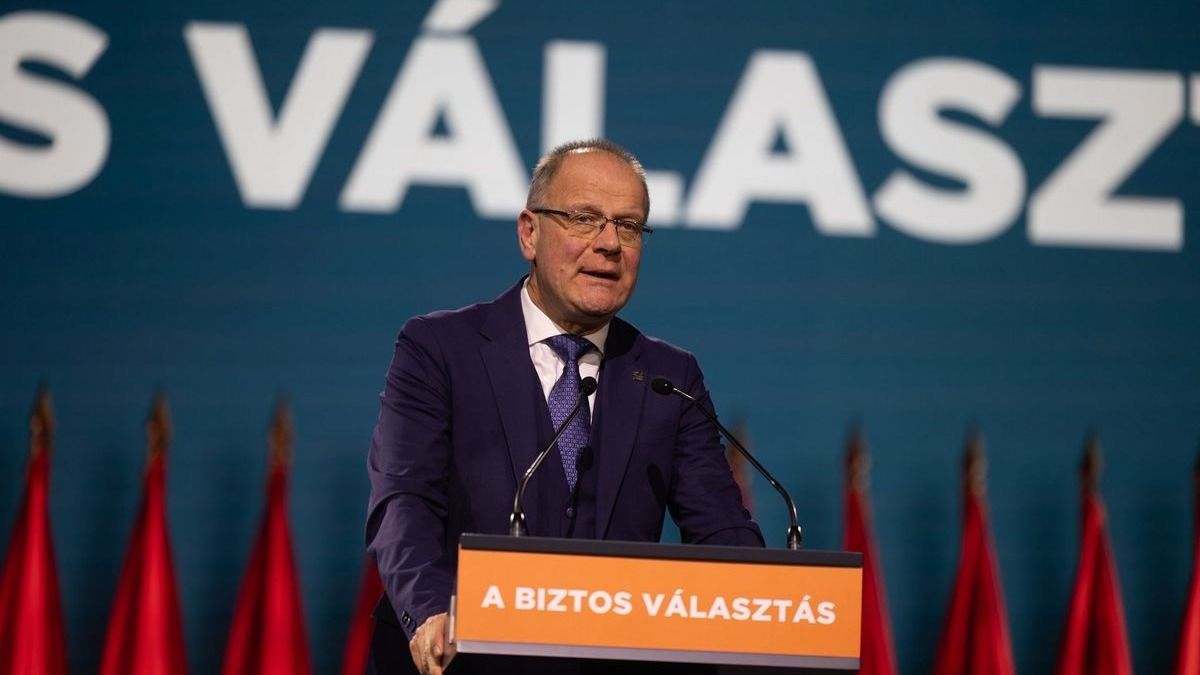
Navracsics: Orbán has the strength to renew Fidesz; skeptical of investigative committees
Translated from Hungarian, summarized and contextualized by DistantNews.
At a glance
News
Named sources
Context piece
- Hungarian politician Tibor Navracsics believes Viktor Orbán has the strength to revitalize the Fidesz party.
- Navracsics expressed skepticism about government-proposed investigative committees, comparing them to communist-era show trials.
- He also commented on the process for electing the president and the ongoing challenges in securing EU funds.
Tibor Navracsics, a Hungarian politician, suggested that Viktor Orbán possesses the necessary strength to rejuvenate the Fidesz party. He noted that Fidesz has historically responded to electoral defeats with organizational reforms that proved successful. Current discussions within the party focus on injecting new life and energy into its structure.
They will try to persecute all of us, I have no illusions about that.
Navracsics outlined his own role, stating he was not asked to take a front-line political position but rather to maintain communication with mayors and county council presidents, ensuring information flow between the parliamentary faction, the party leader, and local governments. He expressed concern regarding the new government's planned investigative committees, viewing them as "show performances" akin to communist-era show trials. "They will try to persecute all of us, I have no illusions about that," he stated, adding that this approach would fundamentally disrupt Hungarian democracy and erode public trust.
Regarding the potential removal of the president, Navracsics pointed out that the constitution outlines the election and termination of presidential terms. He believes that the conditions for ending the current president's term are unlikely to be met, suggesting Tamás Sulyok may remain in office. On the matter of EU funds, he indicated that the situation remains similar to the previous government's tenure, with the prime minister receiving a "declaration of positive intent" from the European Commission president, contingent on meeting numerous conditions quickly.
Answering the question of the president's dismissal, he said that the constitution defines how the president is elected and how and in what cases the office may cease to exist.
Navracsics described the current parliamentary majority and government as unpredictable, with a 29-member party leading a 141-member faction. He feels that legislative proposals outlining their plans and vision for Hungary, particularly concerning the upcoming budget, should be more visible. He has not yet seen any legislative proposals that substantively address the problems the government has raised. He characterized most proposals thus far as political and symbolic, emphasizing that the government's strength and popularity will depend on its ability to implement its decisions. He also commented on accountability measures, noting that using criminal law to target political rivals has become a practice, but believes voters can distinguish between illegal actions and political representation.
the things are the same as during the previous government, the current prime minister received a 'declaration of positive intent' from the president of the European Commission, but a number of conditions must be met for this, and quickly.
DistantNews Editorial
Originally published by Magyar Nemzet in Hungarian. Translated, summarized, and contextualized by our editorial team with added local perspective. Read our editorial standards.
More Stories


From Our Blog

Countries Without a Free Press: What You Need to Know

What Press Freedom Means for the News You Read

What Gets Lost (and Found) When News Is Translated

The Critical Role of Diaspora Media in Global News

What Travellers Should Know About Countries with Restricted Press
