


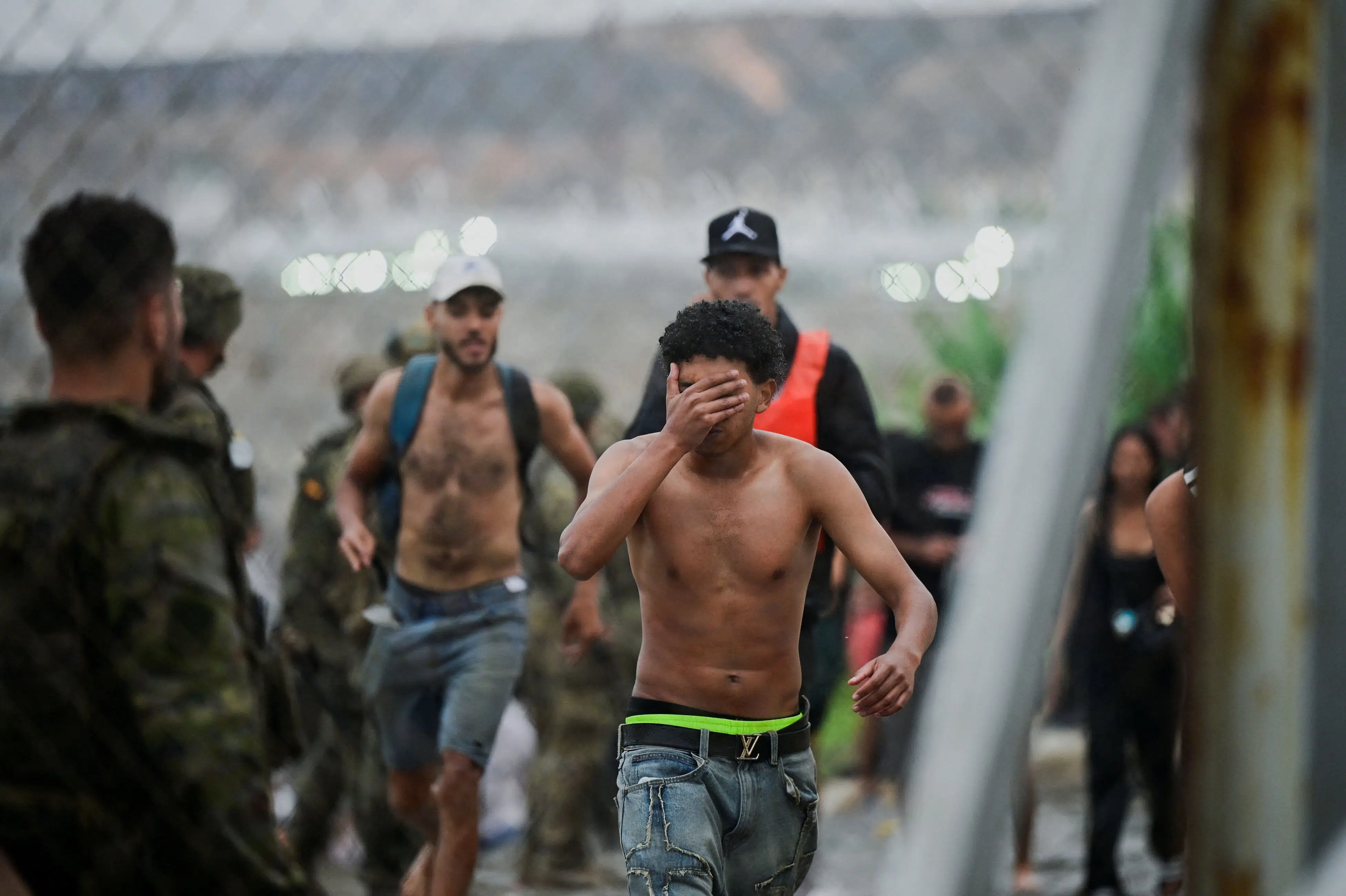
Nearly 50,000 migrants storm Spanish enclave in 24 hours
Translated from Danish, summarized and contextualized by DistantNews.
At a glance
News
Named sources
Ongoing story
- Approximately 49,000 migrants entered the Spanish enclave of Ceuta from Morocco within a 24-hour period, overwhelming local resources.
- Migrants arrived by swimming or climbing border fences, with at least 18 reported deaths during the perilous journey.
- The influx has prompted calls for Spain's exclusion from the Schengen Area due to border control challenges.
The Spanish enclave of Ceuta, located on the northern coast of Africa bordering Morocco, experienced an unprecedented surge of migrants within a single day. Approximately 49,000 individuals crossed into the territory over a 24-hour period, overwhelming the small enclave's capacity.
The migrants, primarily young men, began arriving on Thursday, with initial estimates suggesting 2,000 to 3,000 had entered. By Friday morning, the number had dramatically increased. Reports indicate that migrants employed various methods to reach Ceuta, including swimming across the Strait of Gibraltar and scaling the border fences separating the territory from Morocco. The perilous journey resulted in at least 18 reported deaths, according to a spokesperson for the Spanish Interior Ministry.
Ceuta, with a population of around 83,000, is now grappling with the logistical and humanitarian challenges posed by this massive influx. The situation has drawn international attention, with Italian Prime Minister Giorgia Meloni calling for Spain's exclusion from the Schengen Area. The Schengen agreement allows for passport-free travel among member states, and Meloni's statement suggests concerns about Spain's ability to manage its external borders effectively.
The sheer scale of the arrival highlights the ongoing migration pressures faced by European nations and the complex challenges associated with managing borders in geographically sensitive areas. The incident underscores the critical need for coordinated European responses to migration flows and border security.
The company is optimistic about the continued growth of AI infrastructure demand, and AI product revenue is expected to exceed 30% this year.
DistantNews Editorial
Originally published by Berlingske in Danish. Translated, summarized, and contextualized by our editorial team with added local perspective. Read our editorial standards.
More Stories



From Our Blog

What Gets Lost (and Found) When News Is Translated

The Critical Role of Diaspora Media in Global News

What Travellers Should Know About Countries with Restricted Press

A Digital Nomad's Guide to Following Local News

How the Same Story Looks Different in Different Countries
