

Nearly Half of Bavarian Workers Plan Early Retirement, Survey Finds
Translated from German, summarized and contextualized by DistantNews.
At a glance
News
Sources not specified
Context piece
- A survey found that nearly half of all employees in Bavaria plan to retire early.
- The desire to retire early increases with age and poorer health, with 53% of those over 50 wanting to retire sooner.
- While older workers are less frequently absent, their sick leaves are longer, contributing to more total days off.
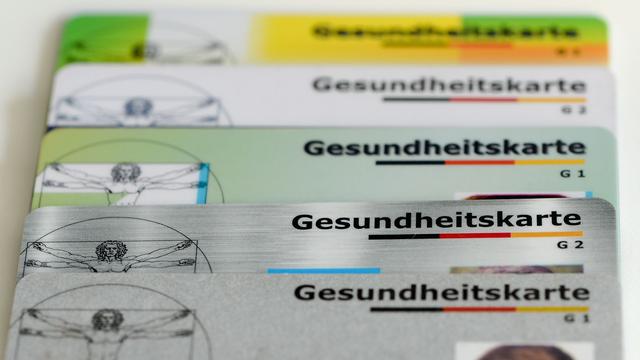
Nearly half of all employees in Bavaria are planning to retire early, according to a recent survey. The representative poll, commissioned by the DAK health insurance fund, revealed that 47% of workers intend to leave the workforce before reaching the official retirement age.
This trend is particularly pronounced among older workers and those in poorer health. The survey indicated that 53% of individuals over 50 wish to retire early, compared to 44% of younger employees. Health plays a significant role, with 58% of those experiencing health issues planning an early retirement, while only 45% of healthy individuals express the same desire.
Despite the inclination to retire early, financial situations often necessitate continued work. The DAK health report, "Working After 50," also highlighted that older employees value appreciation from superiors, alongside good pay and adjusted working conditions, as crucial factors for remaining in their jobs. However, they report receiving only moderate recognition from management.
An analysis of DAK insurance data revealed that while employees over 50 are absent less frequently, their sick leaves tend to be longer. In 2025, those over 50 averaged 24 days off due to illness, compared to 15 days for younger workers. Bavaria's sick leave rate for this age group was 6.6%, below the national average of 7.4%. However, absences noticeably increase from the mid-50s onwards, reaching 9% for those aged 64 in the state.
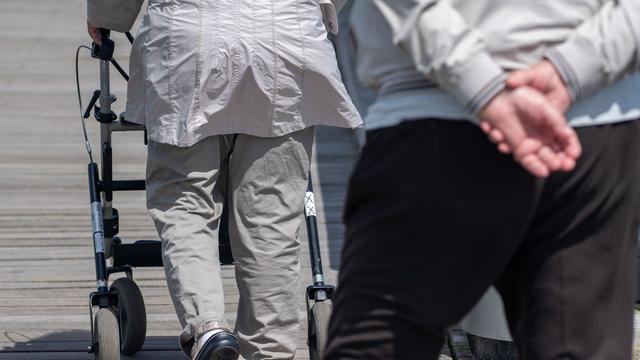
Many older employees want to leave professional life because the health burdens are increasing.
DistantNews Editorial
Originally published by Die Zeit in German. Translated, summarized, and contextualized by our editorial team with added local perspective. Read our editorial standards.
More Stories



From Our Blog

What Gets Lost (and Found) When News Is Translated

How the Same Story Looks Different in Different Countries

The Critical Role of Diaspora Media in Global News

What Travellers Should Know About Countries with Restricted Press

A Digital Nomad's Guide to Following Local News
