


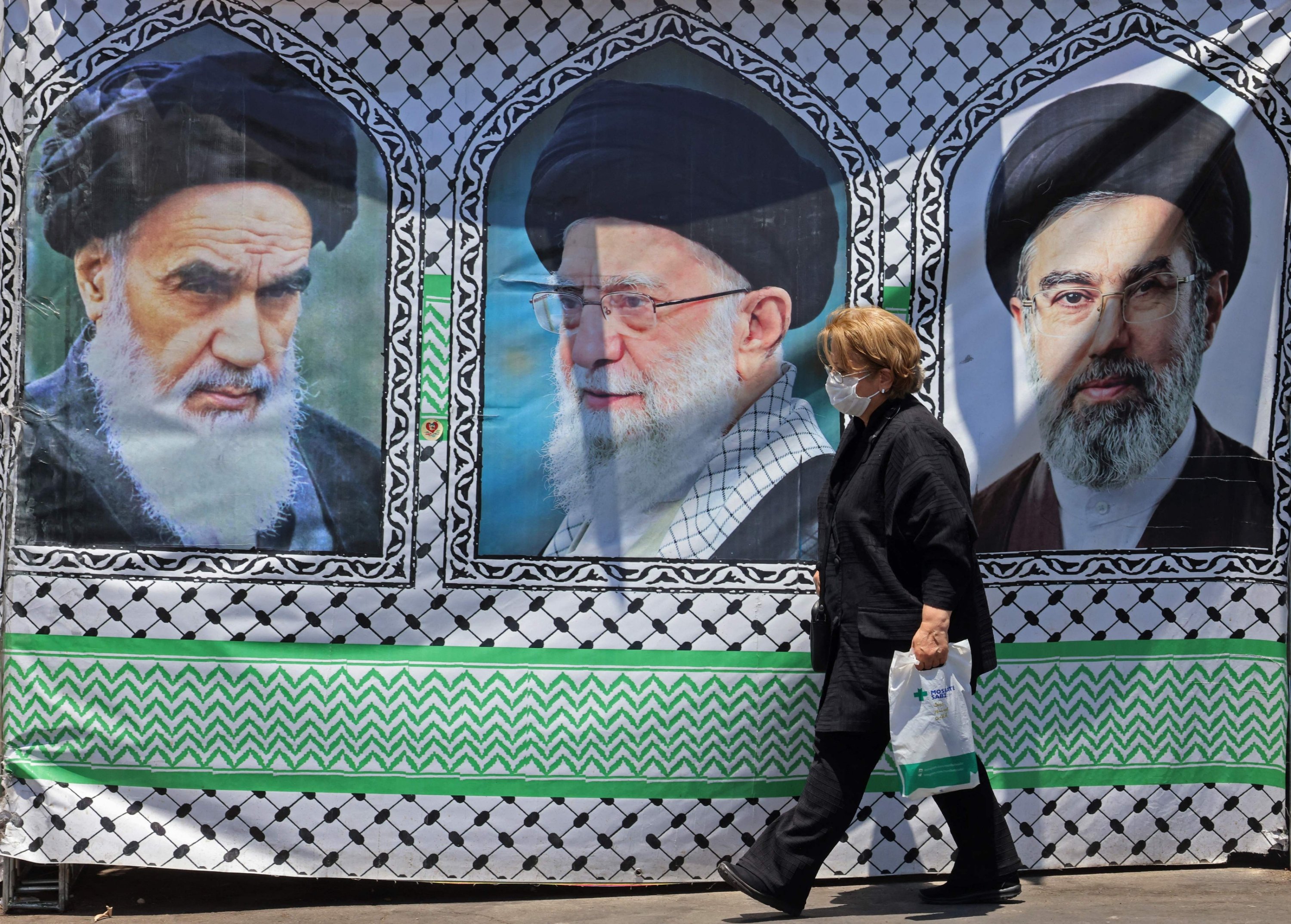
Neither war nor deal: Understanding Iran's strategic ambiguity
Summarized and contextualized by DistantNews.
At a glance
Analysis
Sources not specified
Context piece
- Iran and the United States have reached an agreement, avoiding immediate escalation.
- The nuclear issue was not fully resolved but was deferred, creating a state of strategic ambiguity.
- This approach allows both nations to manage tensions without a definitive resolution or open conflict.
An agreement has been reached between Iran and the United States, navigating a path between open conflict and a definitive resolution, particularly concerning the nuclear issue. This outcome has been characterized as a state of strategic ambiguity, where the core challenges remain but are managed through deferred action rather than outright settlement.
One of the most striking aspects of this understanding is that the nuclear issue itself has not been definitively resolved. Instead, it has been pushed into the future, creating a complex dynamic where immediate tensions are eased, but the underlying problem persists. This approach allows both Tehran and Washington to avoid the immediate pressures of either full-scale confrontation or a comprehensive diplomatic breakthrough.
The agreement reflects a careful balancing act, aiming to de-escalate immediate risks while leaving the most contentious points for future consideration. This strategy of ambiguity allows for a degree of flexibility and can be seen as a way to manage a highly volatile situation without committing to irreversible paths, thereby maintaining a delicate equilibrium in a region prone to conflict.
DistantNews Editorial
Originally published by Daily Sabah. Summarized and contextualized by our editorial team with added local perspective. Read our editorial standards.
More Stories


From Our Blog

What Gets Lost (and Found) When News Is Translated

The Critical Role of Diaspora Media in Global News

What Travellers Should Know About Countries with Restricted Press

A Digital Nomad's Guide to Following Local News

How the Same Story Looks Different in Different Countries
