


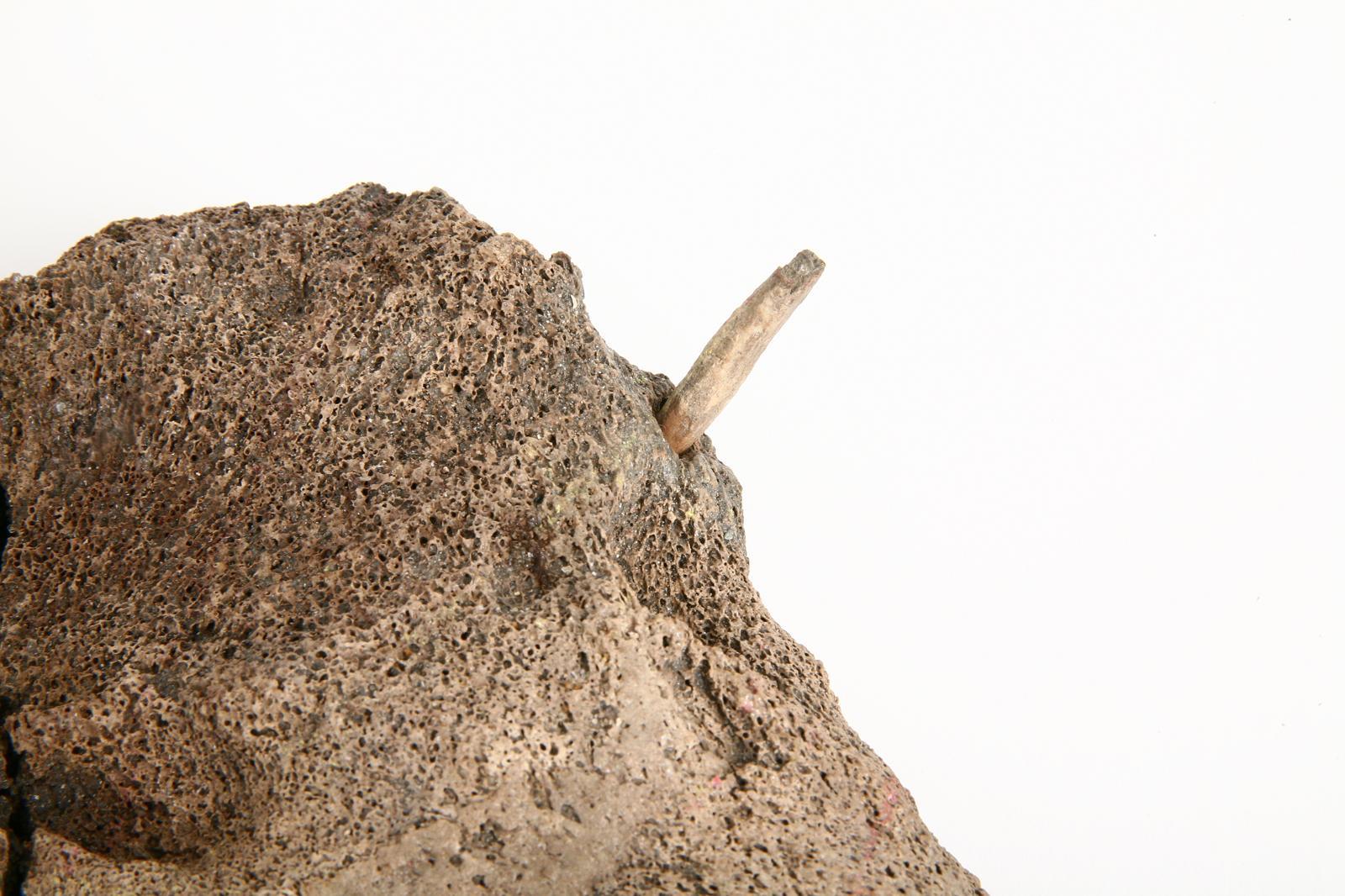
Neolithic Harpoon Tip Used in Ancient Whale Hunts Poised for National Heritage Status in South Korea
Translated from Korean, summarized and contextualized by DistantNews.
At a glance
News
Sources not specified
New plan
- A Neolithic harpoon tip, evidence of ancient whale hunting in Korea, is set to be designated a national folk cultural heritage.
- The artifact was discovered embedded in whale bones at the Ulsan Museum.
- It provides insight into the lives and hunting techniques of prehistoric Koreans.
A harpoon tip from the Neolithic era, unearthed with clear evidence of its use in whale hunting, is poised for designation as a national folk cultural heritage in South Korea. The artifact, currently housed at the Ulsan Museum, offers a tangible link to the prehistoric inhabitants of the Korean Peninsula and their sophisticated hunting practices.
The harpoon tip, embodying the history of whale hunting on the Korean Peninsula in prehistoric times, is expected to become a national folk cultural heritage.
The National Heritage Agency announced its intention to designate the "deer antler harpoon tip embedded in whale bone" as a national folk cultural heritage. This specific artifact, along with another harpoon tip found embedded in whale shoulder bone, was discovered during archaeological excavations in 2010. Radiocarbon dating suggests these finds date back to between 4000 and 3000 BCE.
The National Heritage Agency announced that it has given preliminary notice to designate the 'deer antler harpoon tip embedded in whale bone,' a Neolithic cultural heritage item at the Ulsan Museum, as a national folk cultural heritage.
These harpoon tips are considered rare examples found still lodged in the bones of their prey. The agency highlighted their significance in illustrating the daily life, subsistence technologies, and tool-making skills of Neolithic Koreans. Furthermore, the artifacts are closely related to the UNESCO World Heritage site "Petroglyphs of Bangudae," which depicts scenes of whale hunting, underscoring the historical importance of marine resources to the region's ancient cultures.
The two harpoon tips are considered rare cases discovered embedded in the bones of the prey.
The designation process involves a 30-day public review period to gather opinions from various stakeholders before a final decision is made by the National Heritage Committee. This recognition would formally preserve and promote the cultural and historical value of these ancient tools.
It concretely shows the life culture, subsistence technology, and tool-making technology of the Korean Peninsula people in the Neolithic era.
DistantNews Editorial
Originally published by Dong-A Ilbo in Korean. Translated, summarized, and contextualized by our editorial team with added local perspective. Read our editorial standards.
More Stories



From Our Blog

What Gets Lost (and Found) When News Is Translated

The Critical Role of Diaspora Media in Global News

What Travellers Should Know About Countries with Restricted Press

A Digital Nomad's Guide to Following Local News

How the Same Story Looks Different in Different Countries
