


Nepal and China Warn of New Flood Risks as Border Lakes Swell
Translated from English and summarized by DistantNews. Read the original for the full story.
At a glance
News
Named sources
Ongoing story
- Nepal and China have warned of new flood risks from two glacial lakes on their shared border.
- The lakes, formed by debris blocking rivers after a recent glacier collapse, are at risk of bursting.
- This warning follows a catastrophic flood that killed at least 362 people and left nearly 1,000 missing in the region.
Nepal and China are bracing for potential new flooding as two glacial lakes on their shared border show signs of instability. Authorities in both countries issued warnings on Thursday, expressing concern that the lakes, formed by debris from a recent glacier collapse, could burst.
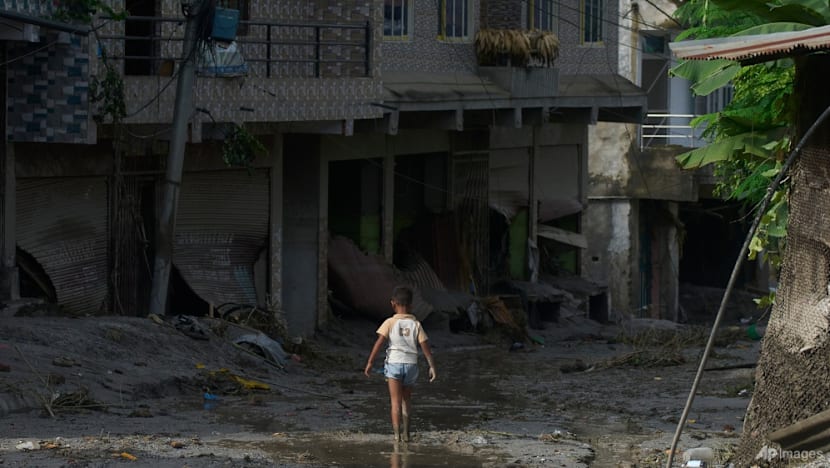
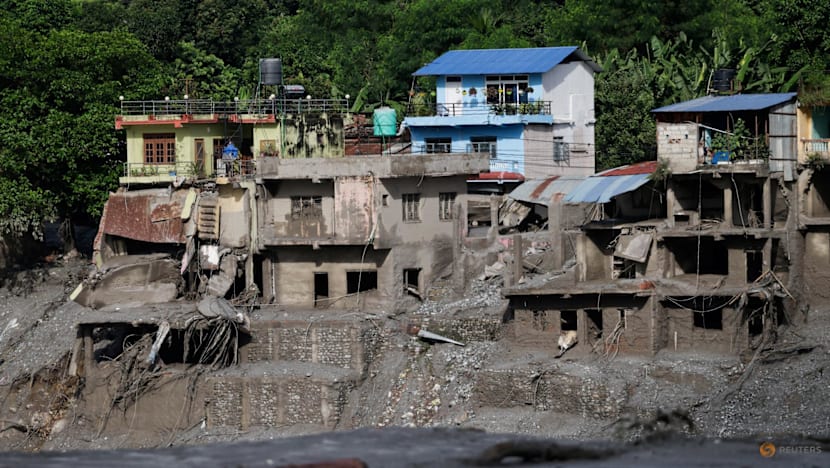
The region is still reeling from a catastrophic flood earlier in the week, which claimed at least 362 lives and left nearly 1,000 people missing. Search and rescue operations are ongoing in the debris-strewn valleys and hillsides of the border regions.
Residents of the lower banks... passengers, rescuers engaged in rescue operations, and all concerned are requested to exercise special caution and stay in safe places away from the river banks and risky areas.
Nepal's disaster authority issued a notice urging residents along lower riverbanks, passengers, rescuers, and all concerned parties to exercise extreme caution. They were advised to move to safe locations away from riverbanks and risky areas due to the rising water levels in a lake formed by debris blocking a river at the flood site.
The volume of water is continuing to increase, and so is the risk.
On the Chinese side, authorities warned that approximately 3 million cubic meters of water are expected to flow into an existing dammed lake over the next three days. This influx poses a high risk of a breach, with peak flow anticipated around September 1. Chinese state media, citing the water resources ministry, indicated that rainfall forecasts for the coming week could exacerbate the threat. A researcher from the ministry's hydrology department noted that the volume of water and the associated risk are continuously increasing.
Heeding the warnings, some rescue workers in Nepal began relocating to higher ground. Pawan Koirala, part of a rescue team, stated they were moving away from the riverbed to avoid the danger zone while continuing their operations.
We are here for rescue and don't want to be near the danger zone.
About this summary
Originally published by The Straits Times in English. Translated, summarized, and contextualized automatically by DistantNews, with a note on how the source frames the story. Not individually reviewed before publishing. How this works.
More Stories


From Our Blog

What Gets Lost (and Found) When News Is Translated

The Critical Role of Diaspora Media in Global News

What Travellers Should Know About Countries with Restricted Press

A Digital Nomad's Guide to Following Local News

How the Same Story Looks Different in Different Countries
