

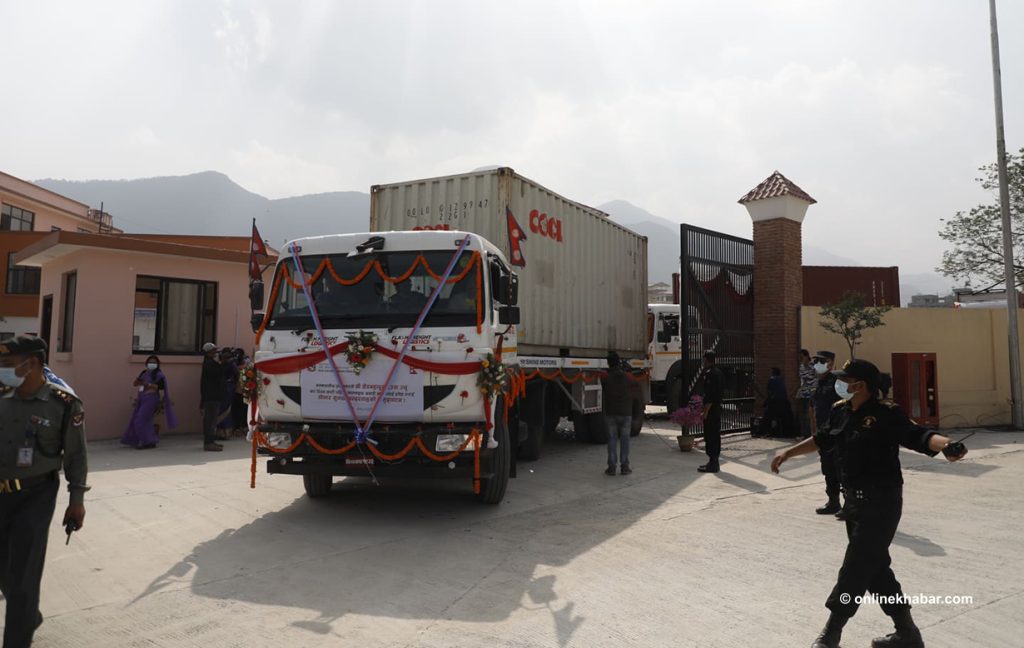

Nepal Announces Rs 2.124 Trillion Budget for Fiscal Year 2026/27
Translated from English and summarized by DistantNews. Read the original for the full story.
At a glance
News
Sources not specified
New plan
- Nepal's government announced a budget of Rs 2.124 trillion for the upcoming fiscal year 2026/27.
- Key allocations include Rs 431 billion for capital expenditure and Rs 1.27 trillion for recurrent expenditure.
- Significant funding is earmarked for education (Rs 218.30 billion), physical infrastructure (Rs 268 billion), and health insurance (Rs 15 billion).
Nepal's government has unveiled a budget of Rs 2.124 trillion for the upcoming fiscal year 2026/27, signaling its financial priorities and development plans.
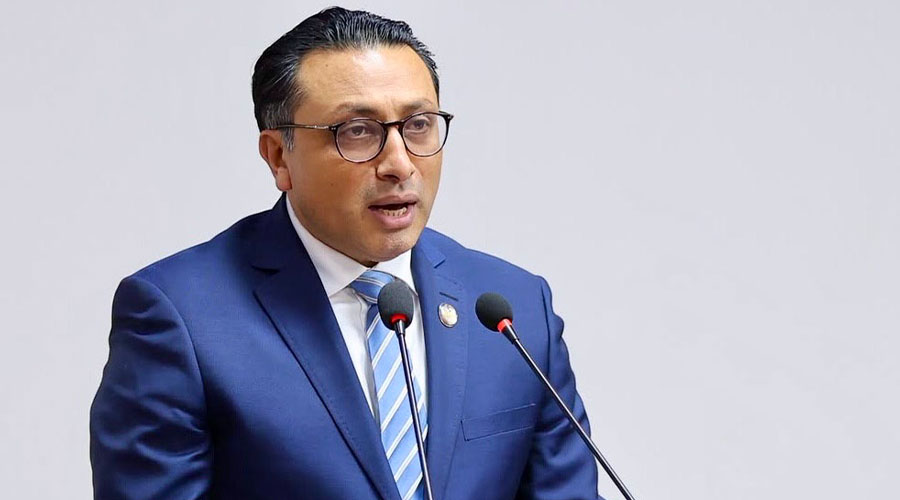
Finance Minister Dr. Swarnim Wagle presented the annual financial plan, detailing allocations for various sectors. Capital expenditure is set at Rs 431 billion, while financial management will receive Rs 422 billion. Revenue is projected at Rs 1.404 trillion, supplemented by an estimated Rs 61.74 billion in grants and Rs 247 billion in foreign loans. Domestic borrowing is planned at Rs 410 billion, with recurrent expenditure estimated at Rs 1.27 trillion.
The education sector has been allocated Rs 218.30 billion, though this is less than the Rs 268 billion designated for physical and urban infrastructure development. The sports sector will receive Rs 4.03 billion, intended for the development and promotion of sports activities nationwide.
Further allocations include Rs 12.31 billion for the forest, environment, and climate sector. The Health Insurance Board receives Rs 15 billion, an increase from the previous Rs 10 billion, with plans for broad restructuring to enhance effectiveness and sustainability. The social security sector is allocated Rs 120 billion, with a government aim to eliminate street children through coordinated efforts across all government levels and reform child correction homes.
The allocation would be used for the development and promotion of sports activities across the country.
About this summary
Originally published by OnlineKhabar English in English. Translated, summarized, and contextualized automatically by DistantNews, with a note on how the source frames the story. Not individually reviewed before publishing. How this works.
More Stories

From Our Blog

News in Translation: What Gets Lost, and How We Keep the Framing

Diaspora Media: How Communities Abroad Follow Home

Traveling Where the Press Is Not Free: How to Read the News There

The Digital Nomad's Guide to Local News

The Same Story, Different Countries: How Coverage Changes at the Border
