

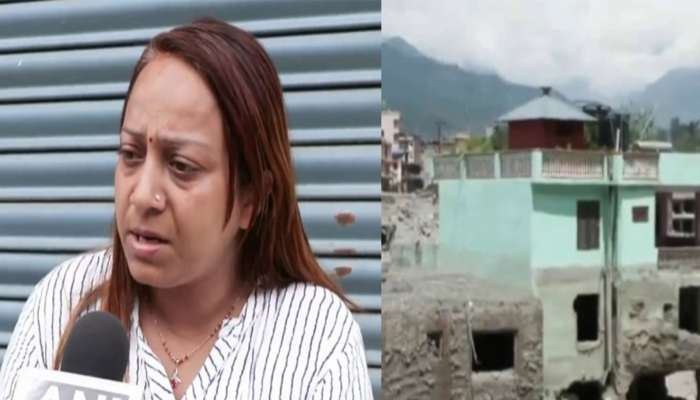

Nepal flood victims’ remains temporarily interred for DNA identification, not mass burial, envoy says
Translated from English and summarized by DistantNews. Read the original for the full story.
At a glance
News
Named sources
Ongoing story
- Indian Ambassador Naveen Srivastava said flood victims’ remains in Nepal were temporarily interred because of their advanced decomposition.
- He said the remains would be exhumed and returned to families after DNA matches, stressing that the process was not a mass burial.
- Srivastava said the Nepali Army had helped rescue 166 Indian nationals from affected areas.
The remains recovered after Nepal’s recent flash floods have been temporarily interred for DNA identification, not placed in a mass grave, India’s ambassador to Nepal said.
It is not a mass burial.
Naveen Srivastava said the remains were in a highly decomposed state. Nepali authorities had temporarily buried them with public-health concerns in mind, he said, and would exhume them once DNA testing matched them with relatives. The remains would then be handed over to the families.
Nepal Police published photographs of recovered bodies and remains on its website, while the Indian mission circulated the information through press releases to help families identify the dead. Srivastava said the mission would connect relatives with Nepali authorities when an identification was made, although no such return had yet taken place.
They have been temporarily interred so that once a DNA match is established between the mortal remains and the relatives, the bodies or whatever remains are available will be exhumed and handed over to the families.
He also said the Nepali Army had helped rescue 166 Indians from flood-affected areas. Those rescued included a 21-member group from Tamil Nadu travelling for the Kailash Mansarovar pilgrimage, more than 80 employees of Andritz working on hydropower projects, and other Indians living in the affected area.
So, as of date, with the help of the Nepali Army, we've been able to rescue 166 people altogether.
About this summary
Originally published by Times of Oman in English. Translated, summarized, and contextualized automatically by DistantNews, with a note on how the source frames the story. Not individually reviewed before publishing. How this works.
More Stories
From Our Blog

News in Translation: What Gets Lost, and How We Keep the Framing

Diaspora Media: How Communities Abroad Follow Home

Traveling Where the Press Is Not Free: How to Read the News There

The Digital Nomad's Guide to Local News

The Same Story, Different Countries: How Coverage Changes at the Border
