


Nepal Glacier Collapse Was Difficult to Predict, Experts Say
Translated from English and summarized by DistantNews. Read the original for the full story.
At a glance
News
Named sources
Outcome reported
- Experts say the recent flash floods in Nepal and Tibet, triggered by a landslide and glacial avalanche, were difficult to predict.
- The disaster unleashed huge volumes of water, engulfing buildings rapidly.
- Forecasting such an event would require extensive and resource-intensive monitoring across large areas.
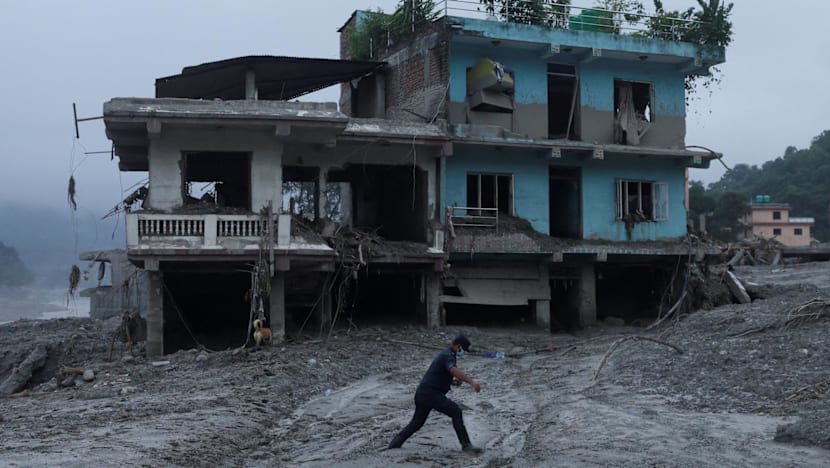
Geologists believe a combination of a high-altitude landslide and a glacial avalanche triggered the devastating flash floods in Nepal and Tibet. The torrent of water and mud moved with such speed that it overwhelmed buildings in mere seconds, leaving little time for evacuation.
In the aftermath of the disaster, questions have arisen regarding the predictability of the event. Disaster experts have indicated that forecasting such a catastrophic occurrence poses significant challenges. The nature of the dual landslide and glacial avalanche made it inherently difficult to anticipate.
Effective prediction would have necessitated intensive and resource-heavy monitoring systems deployed across vast, often remote, mountainous regions. The scale and complexity of the terrain, coupled with the rapid onset of the event, made timely warnings for downstream communities extremely difficult to issue.
The incident highlights the inherent risks associated with glacial lake outburst floods and landslides in high-altitude regions, underscoring the complexities of disaster preparedness and early warning systems in such environments.
About this summary
Originally published by The Straits Times in English. Translated, summarized, and contextualized automatically by DistantNews, with a note on how the source frames the story. Not individually reviewed before publishing. How this works.
More Stories


From Our Blog

What Gets Lost (and Found) When News Is Translated

The Critical Role of Diaspora Media in Global News

What Travellers Should Know About Countries with Restricted Press

A Digital Nomad's Guide to Following Local News

How the Same Story Looks Different in Different Countries
