


Nepal improves monsoon disaster readiness but faces persistent vulnerabilities
Translated from English, summarized and contextualized by DistantNews.
At a glance
News
Sources not specified
Ongoing story
- Nepal's government has activated rapid response and rescue operations for the monsoon season, aiming to prevent any loss of life.
- Authorities have identified vulnerable areas, established temporary response bases, and deployed security personnel and equipment.
- Despite improvements in disaster preparedness, structural issues like haphazard construction and continued building in high-risk zones exacerbate monsoon-related vulnerabilities.
Nepal's government has mobilized resources and established response bases to mitigate monsoon disaster risks, aiming for zero fatalities this year. Home Minister Sudhan Gurung announced the deployment of security personnel, helicopters, and emergency assets, alongside a new mobile app, the "APF Community Alert System," to improve real-time response.
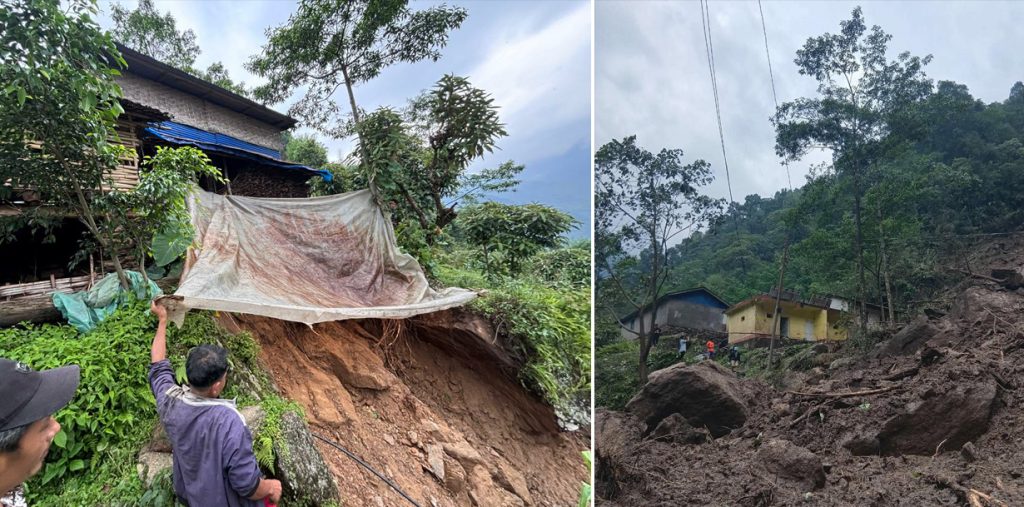
These measures signal a notable improvement in the country's disaster management capabilities, including better forecasting, early warning systems, and inter-agency coordination. However, the article questions whether these efforts truly prevent disasters or merely manage their aftermath. Persistent issues like impassable roads after rainfall, risky infrastructure construction, and delayed repairs continue to endanger communities.
the government aims to ensure no lives are lost to monsoon-related disasters this year.
Furthermore, residents often build homes in flood-prone areas, encroaching on rivers and destabilizing hillsides through mining, which directly threatens downstream settlements. These fundamental structural problems, which amplify the impact of floods and landslides, remain largely unaddressed.
As climate change intensifies monsoon-related risks, preparedness must extend beyond rapid rescue operations. The focus should shift to ensuring infrastructure can withstand erratic rainfall, protecting settlements from floods and glacial lake outbursts, and enabling communities to endure the monsoon without displacement. Integrating these considerations into disaster plans is crucial, as past infrastructure may no longer suffice for present-day erratic weather patterns.
Are we truly preventing disasters, or are we simply managing them?
DistantNews Editorial
Originally published by Kathmandu Post in English. Translated, summarized, and contextualized by our editorial team with added local perspective. Read our editorial standards.
More Stories


From Our Blog

What Gets Lost (and Found) When News Is Translated

The Critical Role of Diaspora Media in Global News

What Travellers Should Know About Countries with Restricted Press

A Digital Nomad's Guide to Following Local News

How the Same Story Looks Different in Different Countries
