


Nepal mourns hundreds dead in devastating flash flood
Translated from English and summarized by DistantNews. Read the original for the full story.
At a glance
News
Sources not specified
Outcome reported
- A devastating flash flood, reportedly triggered by an avalanche, struck several downstream settlements in Nepal on August 26.
- Over 400 people have died, hundreds are missing, and the flood destroyed homes, schools, and infrastructure.
- The government has mobilized rescue and relief operations, but community support is also crucial for recovery.
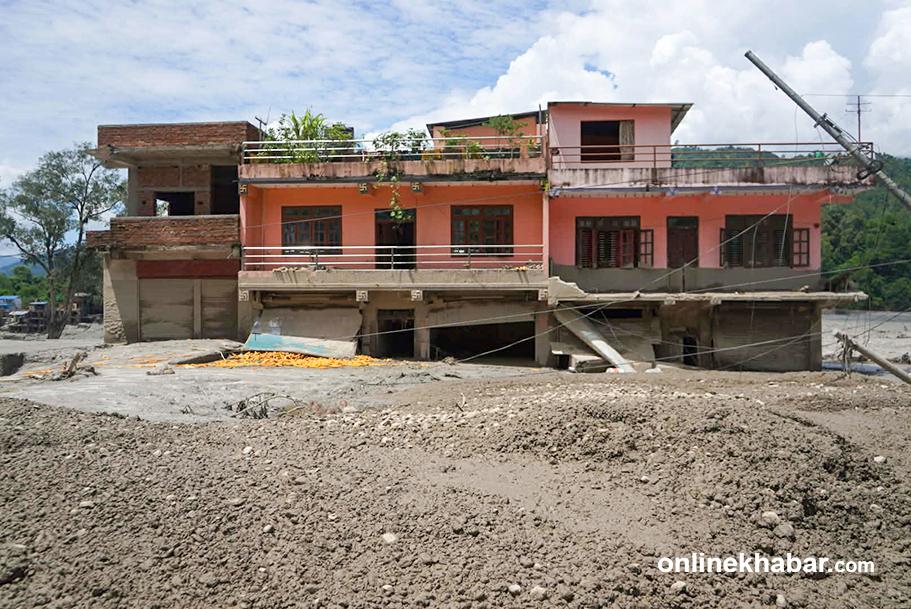
Nepal is grappling with the aftermath of a devastating flash flood that swept through downstream settlements on August 26, claiming over 400 lives and leaving hundreds missing. The torrent, believed to be triggered by an avalanche blocking a tributary of the Bhotekoshi river, obliterated everything in its path, including homes, schools, and vital infrastructure.
The country can recover only if those affected don’t feel they are left to face the situation alone.
The landscape, once vibrant, now lies desolate, revealing the remnants of destroyed houses and the tragic toll of the disaster. Families are left in agonizing wait for news of missing loved ones, facing immense loss and uncertainty.
Nepal also needs the strength of its communities.
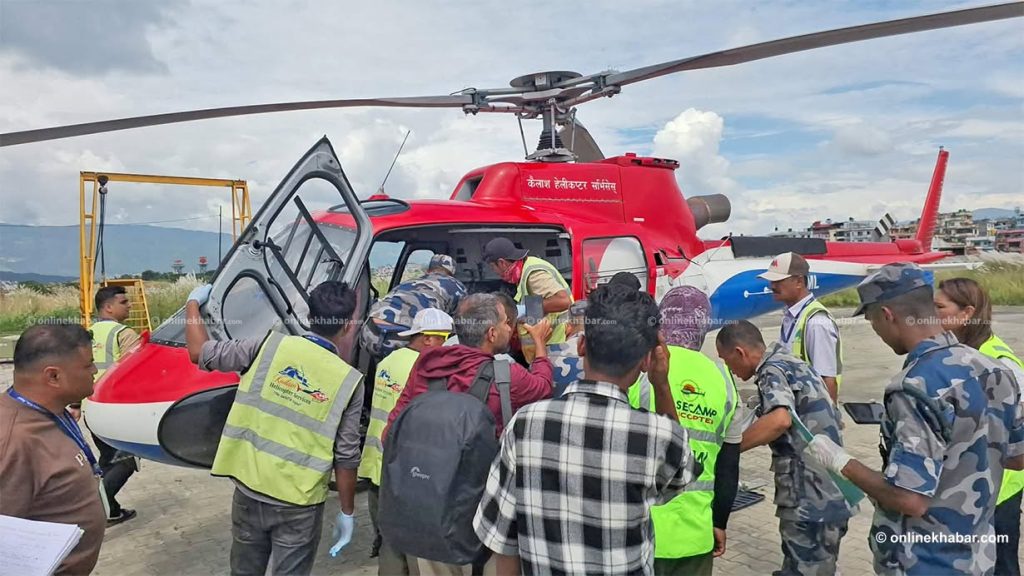
In response, the government has mobilized the Nepali Army, Armed Police Force, and Nepal Police for immediate rescue and relief efforts. Alerts were issued to downstream settlements to relocate residents to safer areas. Over 800 people have been rescued so far, with the injured receiving treatment in the national capital. The government has also pledged free treatment and emergency aid for victims.
When the 2015 earthquakes reduced homes, heritage sites and public infrastructure to rubble while also killing nearly 9,000 people and leaving thousands injured and homeless, people volunteered in search-and-rescue efforts.
However, the editorial emphasizes that state assistance alone is insufficient. Drawing parallels to Nepal's resilience after the 2015 earthquakes, it calls for renewed community spirit. In times of crisis, collective action, from search and rescue to the dignified identification of the deceased and support for those who lost everything, is vital for recovery and resilience. The article also laments the disturbing trend of individuals prioritizing social media content over offering aid, urging sensitivity and support for those affected.
It is vital to be sensitive towards the situation and provide whatever support they can manage from their end, wherever they are.
About this summary
Originally published by Kathmandu Post in English. Translated, summarized, and contextualized automatically by DistantNews, with a note on how the source frames the story. Not individually reviewed before publishing. How this works.
More Stories


From Our Blog

What Gets Lost (and Found) When News Is Translated

The Critical Role of Diaspora Media in Global News

What Travellers Should Know About Countries with Restricted Press

A Digital Nomad's Guide to Following Local News

How the Same Story Looks Different in Different Countries
