


Nepal’s diplomacy of vibes finally meets reality
Summarized and contextualized by DistantNews.
At a glance
News
Named sources
Context piece
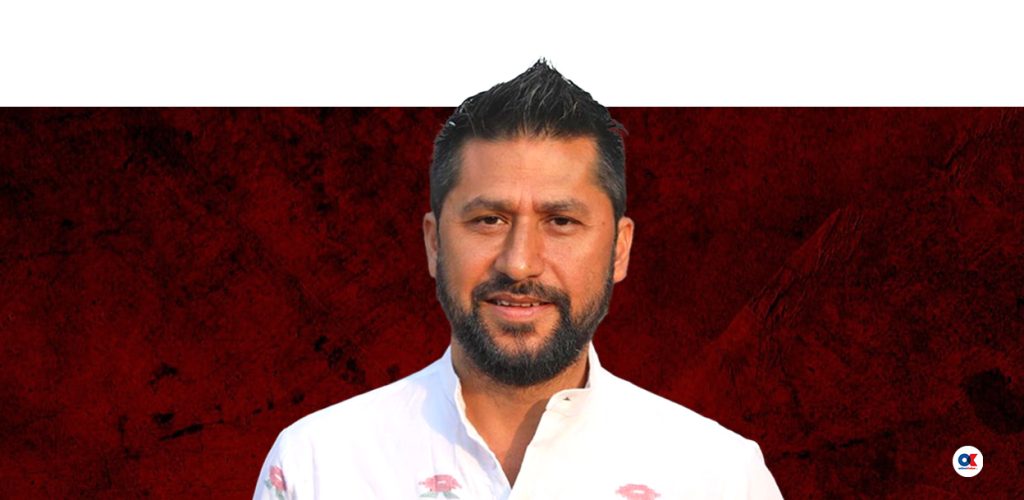
- Nepal's Prime Minister Balendra Shah has shifted from a diplomatic stance of meeting all foreign ambassadors simultaneously to engaging in separate bilateral meetings with Indian and Chinese envoys.
- This change follows criticism and reports of Shah's advisor secretly traveling to India, suggesting a move from campaign promises to governing realities.
- The shift mirrors patterns seen in other small states balancing relationships with larger neighbors, where initial defiance often gives way to pragmatic engagement.
For his first 100 days, Prime Minister Balendra Shah proudly maintained a diplomatic posture of meeting all foreign ambassadors collectively, refusing one-on-one sessions. This approach, which included a photo op with 17 envoys at once, signaled to the diplomatic corps in Kathmandu that no single nation's relationship was prioritized over another. Even India's foreign secretary faced a deferred trip when uncertainty lingered over whether Shah would grant a private audience.
This performance of "sovereign equality," as political commentators labeled it, was largely seen as a campaign promise extended beyond the election. However, this week marked a significant shift. Shah will now meet the Indian and Chinese ambassadors separately, with dates pending Foreign Ministry arrangements. This comes amid reports, though denied by his advisor, that the advisor traveled to New Delhi to secure an invitation from India. A Foreign Ministry official confirmed the travel, indicating it occurred without the ministry's knowledge or approval.
The sequence of events echoes a common challenge for small states situated between larger neighbors: the clash between campaign rhetoric and governing necessities. The Maldives, for instance, elected a president on an "India Out" platform, only for him to eventually engage with Delhi due to economic dependence. Similarly, Sri Lanka's president, whose party historically opposed India, made India his first overseas trip after taking office. Shah's move suggests a pragmatic adjustment, acknowledging that governance requires more than just symbolic gestures, especially when dealing with powerful neighbors.
If they’d asked us, we’d have recommended not to take the trip.
DistantNews Editorial
Originally published by Kathmandu Post. Summarized and contextualized by our editorial team with added local perspective. Read our editorial standards.
More Stories


From Our Blog

What Gets Lost (and Found) When News Is Translated

The Critical Role of Diaspora Media in Global News

What Travellers Should Know About Countries with Restricted Press

A Digital Nomad's Guide to Following Local News

How the Same Story Looks Different in Different Countries
