


Nepal's new government: 100 days of progress and procedural concerns
Translated from English, summarized and contextualized by DistantNews.
At a glance
News
Sources not specified
Outcome reported
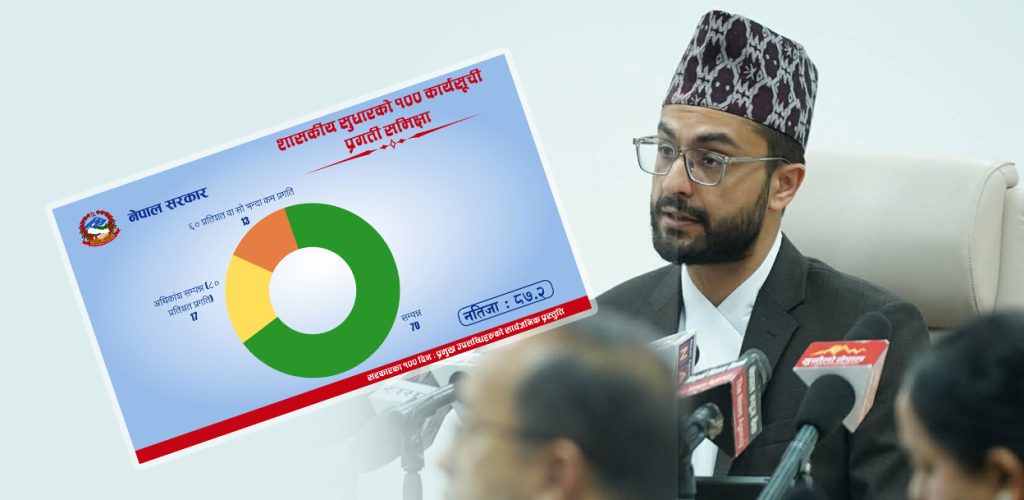
- Nepal's new government under Balendra Shah has completed its first 100 days, showing early signs of improved service delivery and anti-corruption efforts.
- The government's haste to deliver quick results has led to concerns about bypassing due process, as seen in hasty arrests and evictions.
- Despite initial optimism fueled by young, energetic lawmakers, critics warn that prioritizing speed over institutional development could lead to future problems.
Nepal's government, led by Balendra Shah, has marked its first 100 days with a mix of progress and controversy. Upon taking office, Shah promised a significant departure from past administrations, vowing to tackle corruption and accelerate public services. Early indicators suggest some success, with the Department of Transport Management printing a substantial portion of a backlog in driving licenses and citizens reporting faster, bribe-free interactions at government offices.
This initial optimism is partly attributed to a new wave of young, energetic lawmakers who seem less burdened by the political baggage of older parties. This technocratic group appears driven by a developmental agenda, eager for rapid implementation. However, this haste has also raised concerns. Critics point to instances where the government has seemingly bypassed due process, including the swift arrest of politicians in corruption cases and the hurried eviction of squatters from riverside settlements in Kathmandu.
A recent incident involving the Prime Prime Minister's Office summoning and questioning officials from the constitutionally autonomous CIAA over a passport procurement delay has further fueled these worries. Prime Minister Shah's assertion that his government would question officials for years if necessary, rather than emphasizing due process, has been met with criticism. The government's approach, described as being on an "expressway" to its destination, risks overlooking the importance of robust systems and institutions, which require careful, long-term development rather than shortcuts.
the government is on an expressway and it will not hit the brakes until it reaches its destination.
DistantNews Editorial
Originally published by Kathmandu Post in English. Translated, summarized, and contextualized by our editorial team with added local perspective. Read our editorial standards.
More Stories


From Our Blog

What Gets Lost (and Found) When News Is Translated

The Critical Role of Diaspora Media in Global News

What Travellers Should Know About Countries with Restricted Press

A Digital Nomad's Guide to Following Local News

How the Same Story Looks Different in Different Countries
