


Nepal’s young prime minister faces a defining test after glacial disaster
Translated from English and summarized by DistantNews. Read the original for the full story.
At a glance
Newswire
From a news agency
Ongoing story
- A glacial collapse on August 26 sent freezing water and debris through Nepal, killing more than 1,000 people and leaving nearly 4,500 missing.
- Prime Minister Balendra Shah has visited disaster zones and urged unity but had not addressed the nation publicly one week later.
- The disaster has intensified scrutiny of Shah’s leadership and tested public support for his reform promises six months after he took office.
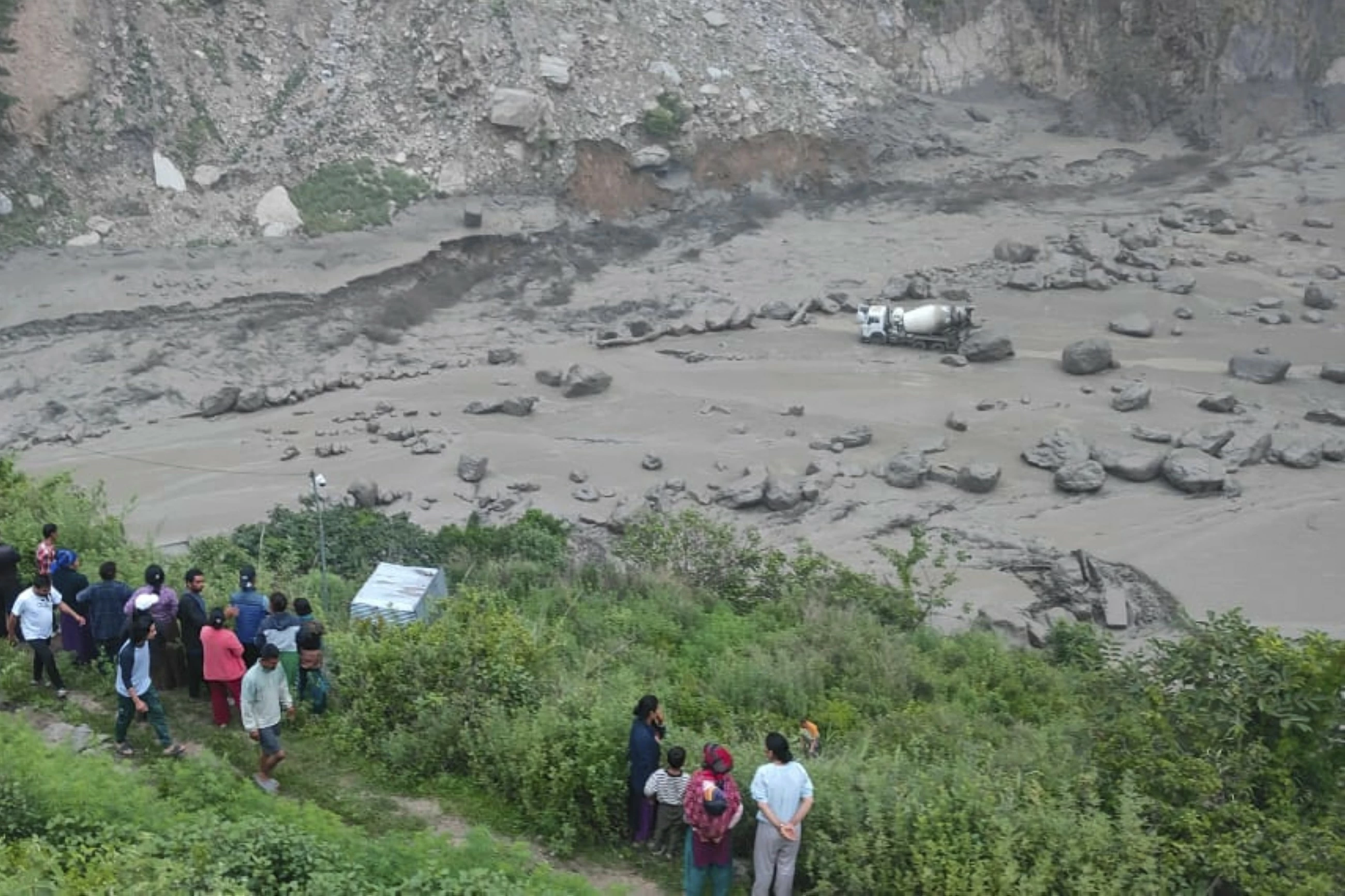
Balendra Shah rose to power as Nepal’s fresh political face. Now, six months after winning office, the rapper-turned-prime minister faces his first major national crisis, with a glacial collapse leaving more than 1,000 people dead and nearly 4,500 missing.
The August 26 disaster unleashed a huge wave of freezing water and debris. Kathmandu has warned that reconstruction could cost “billions of dollars,” a burden for a Himalayan country with limited resources. The catastrophe has also exposed the vulnerability of Nepal’s mountain environment as the world grows warmer.
stand together
Shah, a 36-year-old former Kathmandu mayor known as “Balen,” won March elections amid widespread enthusiasm and promises to break with the political establishment. Since then, he has often kept out of the public eye, appearing in a sharp black suit and sunglasses while communicating largely through social media.
The government may be inexperienced, but it has done its best.
Hours after the floods, Shah urged Nepal to “stand together” and visited disaster zones. But one week after the country’s deadliest disaster since the 2015 earthquake, he had still not addressed the nation publicly. The timing has added political pressure: the disaster came shortly before the anniversary of youth-led anti-corruption protests that toppled the previous government last September.
Some people say the government has done what it could under extraordinary conditions. Prakash Aryal, who was searching Kathmandu morgues for his sister and her family, said, “The government may be inexperienced, but it has done its best.” Foreign Minister Shisir Khanal acknowledged that some areas needed improvement, while saying the government was listening and would continue working through the challenges.
Definitely, with this scale of disaster, often times there will be areas where we still need to improve.
Expectations for Shah had been exceptionally high, especially among young voters. Analysts say his government can claim faster public services and an anti-corruption drive, but voters still await jobs, higher incomes and broader economic opportunities. The floods have become a test of whether the goodwill that carried him into office can survive a genuine crisis.
The floods are now his first major test of whether that goodwill can survive a genuine crisis.
About this summary
Originally published by Gulf Today in English. Translated, summarized, and contextualized automatically by DistantNews, with a note on how the source frames the story. Not individually reviewed before publishing. How this works.
More Stories
From Our Blog

News in Translation: What Gets Lost, and How We Keep the Framing

Diaspora Media: How Communities Abroad Follow Home

Traveling Where the Press Is Not Free: How to Read the News There

The Digital Nomad's Guide to Local News

The Same Story, Different Countries: How Coverage Changes at the Border
