

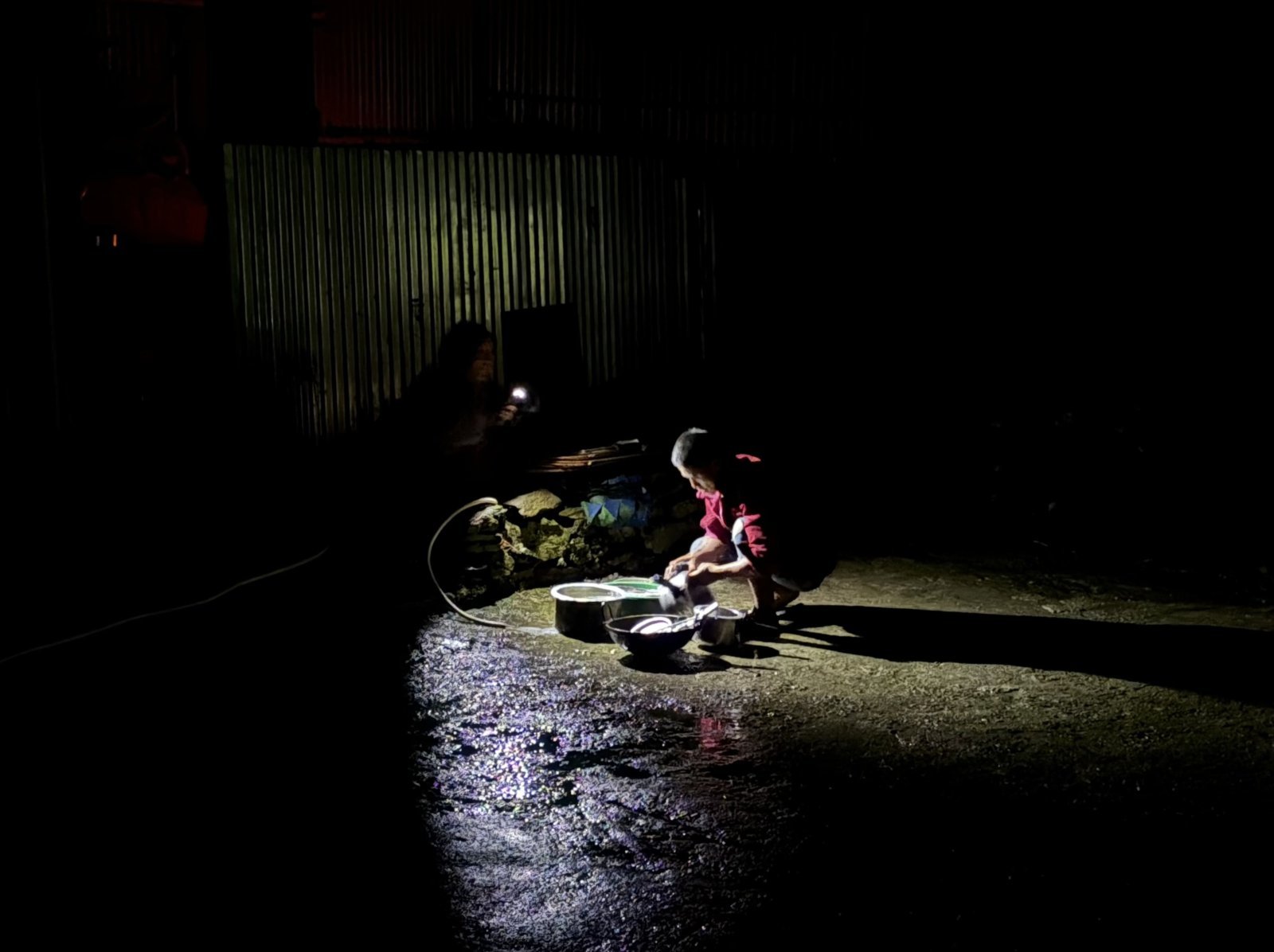

Nepalese anger grows over government’s response to devastating floods
Translated from Korean and summarized by DistantNews. Read the original for the full story.
At a glance
News
Named sources
Ongoing story
- Nepal’s flood death toll has exceeded 1,200, while lawmakers and the public criticize the government’s warnings, rescue response and handling of unidentified bodies.
- Prime Minister Balendra Shah defended the response in parliament, saying the disaster exceeded what agencies could reasonably predict and announcing disaster status for 15 local governments.
- The government also faces criticism for not accepting enough foreign rescue assistance and for the lack of reported survivors among workers believed trapped in hydropower tunnels.
Public anger is mounting in Nepal after devastating floods killed more than 1,200 people. The government faces questions over why residents downstream did not receive timely evacuation warnings and why foreign rescue teams and experts were not more actively accepted.
Prime Minister Balendra Shah, who took office six months ago, defended his government in parliament after lawmakers pressed him on five major issues. He said the disaster exceeded what government agencies could reasonably have predicted. Security personnel had been sent to warn villages, he said, but they too were swept away by the flash floods. Shah also presented a detailed, 15-minute-by-15-minute account of the government’s actions on the day of the disaster.
The prime minister declared 15 affected local governments disaster areas for three months and promised free emergency treatment for the injured. But another decision has provoked intense opposition: the rapid mass burial of unidentified bodies. Shah said only bodies whose identities could not be established had been buried, while DNA samples and other identification information were preserved. The government cited hot, humid conditions and limited refrigeration, which allowed the bodies to deteriorate quickly. Many Nepalese have objected that mass burials without proper funeral rites violate Hindu tradition.
This disaster exceeded what government agencies could reasonably predict.
Shah rejected the accusation that Nepal was refusing foreign assistance, saying, “It is unimaginable not to request foreign aid in a disaster of this scale.” Questions also remain over hydropower facilities in Rasuwa and Nuwakot, where many workers are believed to be trapped in tunnels and no survivors have reportedly been found. Critics have further faulted the prime minister for not appearing more actively at disaster sites.
Shah rose to power after anti-government protests led by Nepal’s Generation Z youth forced the previous prime minister to resign last September. The 36-year-old entered office in March promising more jobs, higher incomes, an anti-corruption drive and faster public services. The floods have placed his reform-minded new government under severe pressure. His continued use of sunglasses at official events has also remained controversial, despite his explanation that he wears them for health reasons.
It is unimaginable not to request foreign aid in a disaster of this scale.
About this summary
Originally published by Hankyoreh in Korean. Translated, summarized, and contextualized automatically by DistantNews, with a note on how the source frames the story. Not individually reviewed before publishing. How this works.
More Stories


From Our Blog

News in Translation: What Gets Lost, and How We Keep the Framing

Diaspora Media: How Communities Abroad Follow Home

Traveling Where the Press Is Not Free: How to Read the News There

The Digital Nomad's Guide to Local News

The Same Story, Different Countries: How Coverage Changes at the Border
