


Nepali rescuers buoyed by miracle finds as tough conditions persist
Translated from English and summarized by DistantNews. Read the original for the full story.
At a glance
Newswire
From a news agency
Ongoing story
- Rescuers in Nepal continued operations on Sept. 6 after finding four survivors, including three people in hydropower tunnels and a 64-year-old woman rescued from a mud-covered home.
- The disaster has killed at least 1,372 people across Nepal and Tibet and left more than 5,500 missing, including about 800 foreigners, according to figures cited in the report.
- Nepal faces major recovery challenges, with damaged infrastructure, overflowing mortuaries and a United Nations appeal for $50 million to assist more than 84,000 people.
Four extraordinary rescues have given Nepal’s search teams a measure of hope, even as operations entered their 12th day under difficult conditions. A glacial and mountain collapse on the China-Nepal border has killed at least 1,372 people and left more than 5,500 missing across the two countries.
Search and rescue is going on at the tunnels despite geography, adverse weather and lack of connectivity.
Rescuers found two people alive on Sept. 5, after saving two Nepali hydropower workers the previous day. Three of the survivors were found inside hydropower tunnels, where the government had initially said it believed more than 100 workers could still be alive. A Chinese man was pulled from a tunnel at Upper Trishuli-1, while 64-year-old Chandrika Shrestha was rescued from her mud-covered home.
“Search and rescue is going on at the tunnels despite geography, adverse weather and lack of connectivity,” Energy Minister Biraj Bhakta Shrestha told AFP. He said rescue workers were facing “multiple challenges”. The debris wall that swept through mountain districts on Aug. 26 destroyed roads, bridges and other infrastructure, while at least 12 hydropower projects were affected.
multiple challenges
Work to restore electricity continued in several areas. “Places that have unreachable, we’ve tried to restore power with solar,” Shrestha told AFP. Foreign Minister Shisir Khanal called the disaster a “Himalayan tsunami” and warned that reconstruction could cost billions of dollars. The United Nations said the scale of destruction made aid delivery extremely difficult and launched a $50 million appeal for more than 84,000 people.
Places that have unreachable, we’ve tried to restore power with solar.
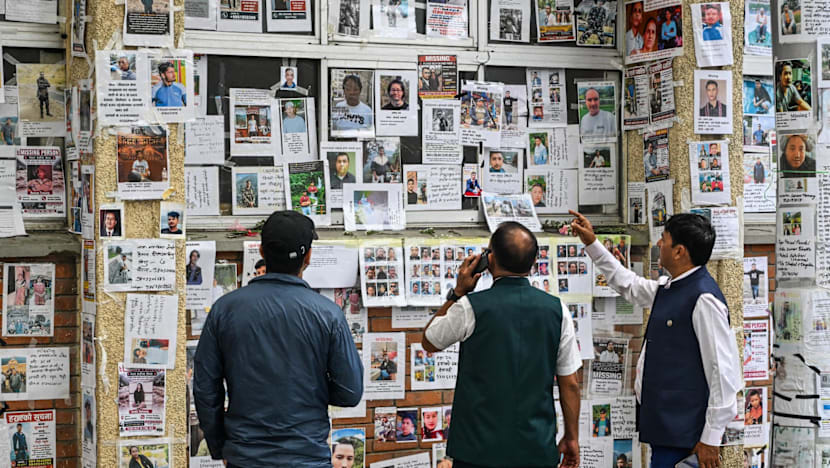
With mortuaries overflowing, Nepal has buried hundreds of bodies in mass graves after taking DNA samples for future identification. Police said only about 100 bodies had been identified and returned to families. Nepal will hold a national day of mourning on Sept. 7, the 13th day after the disaster, in keeping with a traditional Hindu mourning period. Nepal’s disaster agency reported 1,341 bodies recovered and 4,996 people missing, while Chinese state media reported 31 deaths and 531 missing in Tibet.
Himalayan tsunami
About this summary
Originally published by The Straits Times in English. Translated, summarized, and contextualized automatically by DistantNews, with a note on how the source frames the story. Not individually reviewed before publishing. How this works.
More Stories

From Our Blog

News in Translation: What Gets Lost, and How We Keep the Framing

Diaspora Media: How Communities Follow News From Home

Traveling Where the Press Is Not Free: How to Read the News There

The Digital Nomad's Guide to Local News

The Same Story, Different Countries: How Coverage Changes at the Border
