


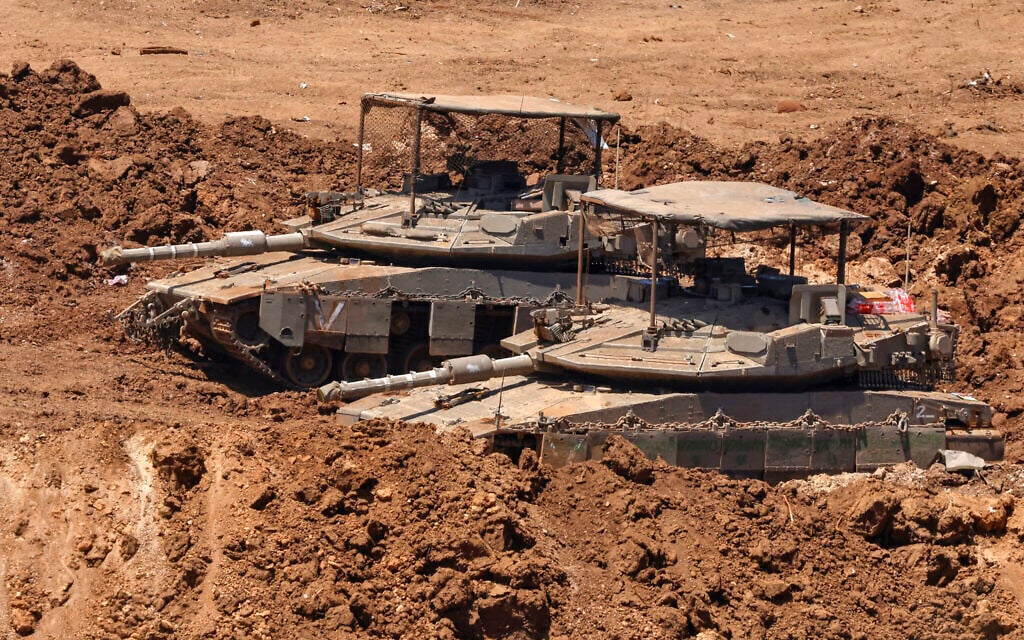
Netanyahu, Katz, Zamir reiterate pledge to ‘continue to act decisively’ in Lebanon
Summarized and contextualized by DistantNews.
At a glance
Newswire
Named sources
Ongoing story
- The Times of Israel is liveblogging events related to Israel-Lebanon tensions and US-Iran talks.
- US officials state that Israel-Lebanon talks in Washington will begin with a joint political-military session.
- Energy Secretary Chris Wright falsely claims oil flow through the Strait of Hormuz is at pre-crisis levels, a claim disputed by data.
The Times of Israel is providing live updates on the complex geopolitical landscape involving Israel, Lebanon, and Iran, with a focus on ongoing diplomatic efforts and potential escalations. This week, talks between Israel and Lebanon are set to commence in Washington, D.C., beginning with a joint political-military session. These discussions, scheduled from Tuesday to Thursday at the State Department and the Pentagon, will involve representatives from both nations, alongside U.S. officials including State Department Counselor Dan Holler and Assistant Secretary of Defense for International Security Affairs Dan Zimmerman.
Israel and Lebanon talks in DC this week to start with joint political-military session
The U.S. administration's approach appears multifaceted, attempting to maintain a direct channel between Israel and Lebanon while simultaneously engaging in talks with Iran. A potential disconnect arises from the differing leadership of these tracks: Vice President JD Vance leads the Iran talks, while Secretary of State Marco Rubio spearheads the Israel-Lebanon channel. President Donald Trump has shown fluctuating attention to both, aiming to decouple Lebanon from the Iran conflict while also acknowledging Iranian demands regarding its deal with Washington. Recent emphasis seems to favor the latter, as the administration works to sustain a memorandum of understanding with Iran.
We could get to above that, we will get above that.
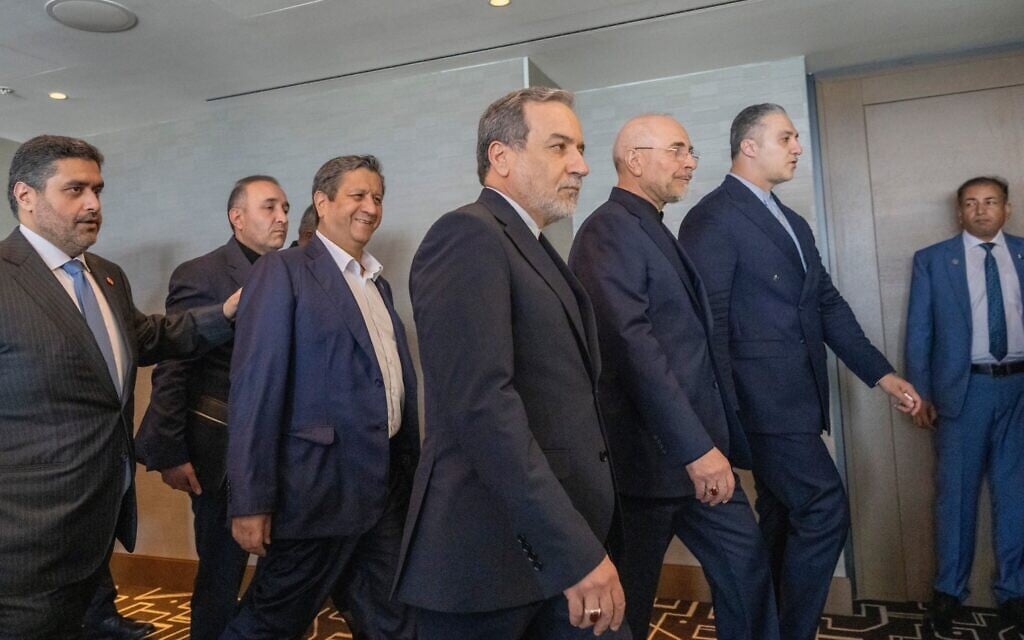
Adding to the complex energy and security narrative, U.S. Energy Secretary Chris Wright made a claim about oil and natural gas flowing through the Strait of Hormuz at 'pre-crisis levels.' This assertion, however, is contradicted by data from analytics firm Kpler, which indicates significantly lower transit numbers over the weekend compared to historical daily averages of 100 to 130 vessels before the recent conflict. Meanwhile, Iran's lead negotiator, Mohammad Bagher Ghalibaf, insists that Iran will manage the Strait of Hormuz in accordance with international laws, expressing hope for renewed passage and regional economic prosperity. Ghalibaf also confirmed discussions with the U.S. concerning the release of frozen assets and Iranian oil sales.
Hopefully we can activate the strait again, in terms of passage, and bring prosperity back to regional and global economy.
DistantNews Editorial
Originally published by Times of Israel. Summarized and contextualized by our editorial team with added local perspective. Read our editorial standards.
More Stories

From Our Blog

What Gets Lost (and Found) When News Is Translated

The Critical Role of Diaspora Media in Global News

What Travellers Should Know About Countries with Restricted Press

A Digital Nomad's Guide to Following Local News

How the Same Story Looks Different in Different Countries
