


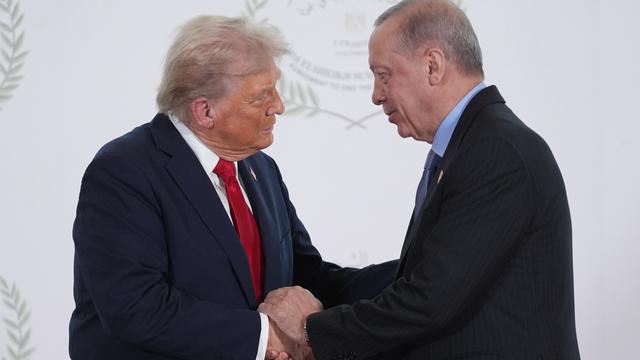
Netanyahu warns Trump against fighter jet deal with Turkey, citing Middle East power balance
Translated from German, summarized and contextualized by DistantNews.
At a glance
News
Named sources
Context piece
- Israeli Prime Minister Netanyahu warned U.S. President Trump against selling advanced fighter jet engines to Turkey.
- Netanyahu stated that such a deal would disrupt the power balance in the Middle East, which Israel and the U.S. military currently maintain.
- The potential deal involves engines for Turkey's domestically produced KAAN stealth fighter jets, aiming to replace its aging F16 fleet and elevate Turkey's status in advanced military aviation.
Israeli Prime Minister Benjamin Netanyahu has urged U.S. President Donald Trump to reconsider a planned arms deal that would supply Turkey with advanced fighter jet engines. Netanyahu expressed strong concerns that providing such technology to Turkey would destabilize the regional power balance in the Middle East, a balance he asserted is currently upheld by Israel and the U.S. military.
Netanyahu's warning comes as Trump reportedly considers offering approximately 40 F110 fighter jet engines to Turkish President Recep Tayyip Erdoğan. The meeting between the two leaders is expected to occur on the sidelines of the NATO summit in Ankara. These engines are intended for Turkey's indigenous KAAN stealth fighter jets, a program designed to replace the Turkish Air Force's aging F16 fleet and position Turkey among nations capable of producing fifth-generation combat aircraft, like the U.S., China, and Russia.
The proposed engine deal is estimated to be worth over $700 million. However, the transaction faces criticism from within the U.S. Congress. Gregory Meeks, a member of the House Foreign Affairs Committee, criticized Trump for bypassing Congress, stating that the legislative body was merely informed of the decision. This move by the Trump administration has drawn scrutiny, particularly given past U.S. sanctions against Turkey.
Turkey's pursuit of advanced military hardware has been complicated by U.S. sanctions imposed in late 2020, following Ankara's acquisition of the Russian S-400 missile defense system. For Congress to lift these sanctions, Turkey would need to divest itself of the S-400 system. However, selling the system to a third country requires Moscow's approval, and returning it to Russia is not an option. Experts like Mustafa Aydin, an international relations expert, note that reversing congressional decisions on such matters will not be straightforward.
This would disrupt the power balance in the Middle East.
DistantNews Editorial
Originally published by Die Zeit in German. Translated, summarized, and contextualized by our editorial team with added local perspective. Read our editorial standards.
More Stories

From Our Blog

What Gets Lost (and Found) When News Is Translated

How the Same Story Looks Different in Different Countries

The Critical Role of Diaspora Media in Global News

What Travellers Should Know About Countries with Restricted Press

A Digital Nomad's Guide to Following Local News
