


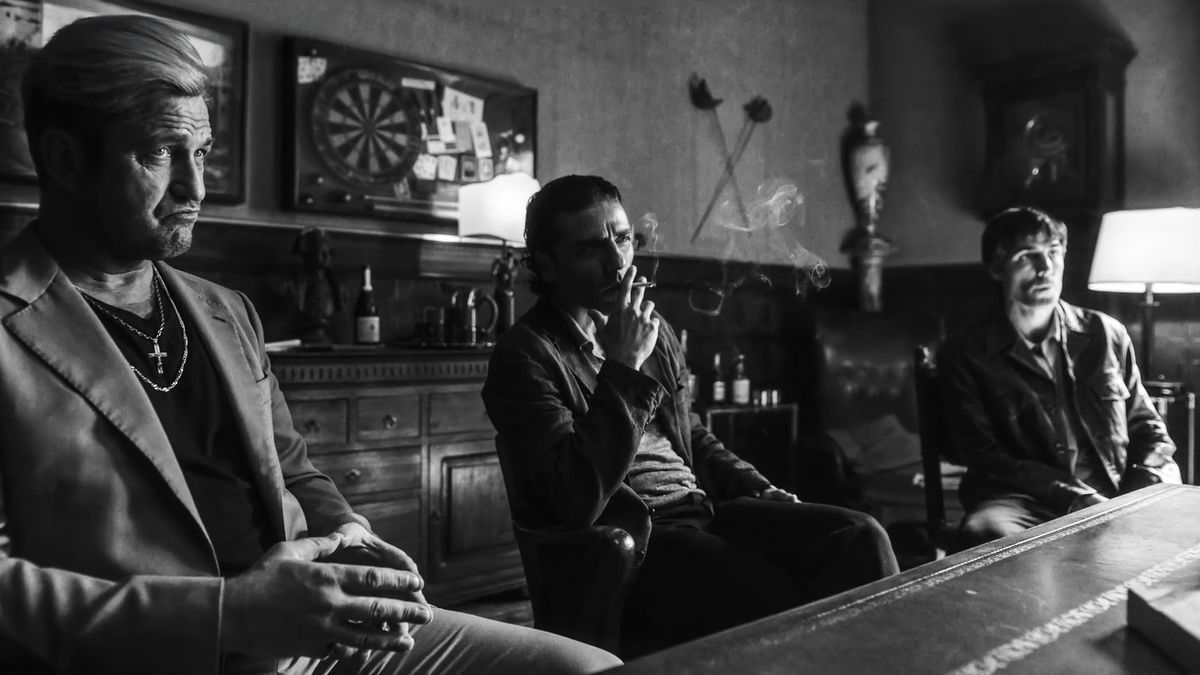
Netflix's 'Hand of Dante' Praised for Epic Gangster Tale and Artistic Ambition
Translated from Hungarian, summarized and contextualized by DistantNews.
At a glance
In-depth
Sources not specified
Context piece
- "Hand of Dante," a Netflix film directed by Julian Schnabel, is being praised for its unique cinematic experience and artistic ambition.
- The film is noted for its slow but engaging pace, meticulous compositions, and blend of philosophical narration with absurd gangster monologues.
- It draws comparisons to other ambitious films like Lars von Trier's "The House That Jack Built" and Ridley Scott's "The Duellists," though it is exclusive to Netflix.
Julian Schnabel's latest film, "Hand of Dante," is generating buzz on Netflix for its ambitious and unconventional approach to storytelling. Starring Gal Gadot and Oscar Isaac, the film is described as a unique cinematic experience that defies easy categorization, blending artistic vision with a compelling narrative.
Schnabel, known for his background as a painter and sculptor, imbues "Hand of Dante" with deliberate pacing and meticulously crafted compositions. The film weaves together philosophical narration with absurd gangster monologues, creating a distinctive tone that has been praised for its artistic merit. Despite its availability only on Netflix, the film offers a rich and thought-provoking viewing experience.
The movie is being compared to other highly ambitious cinematic works that explore dark themes and complex characters. These include Lars von Trier's brutal serial killer film, "The House That Jack Built," which also draws inspiration from Dante's "Divine Comedy," and Ridley Scott's critically panned but star-studded crime drama, "The Duellists." The film's uncompromising nature and its exploration of profound themes position it as a work that is likely to divide audiences, much like these other notable films.
While some might draw parallels to Francis Ford Coppola's long-gestating and poorly received "Megalopolis," the reviewer suggests "Hand of Dante" stands on its own as a testament to artistic ambition and a refusal to compromise. The film's dedication to its vision, shared by Schnabel and his collaborators, marks it as a significant, albeit potentially polarizing, addition to contemporary cinema.
DistantNews Editorial
Originally published by Magyar Nemzet in Hungarian. Translated, summarized, and contextualized by our editorial team with added local perspective. Read our editorial standards.
More Stories


From Our Blog

Countries Without a Free Press: What You Need to Know

What Press Freedom Means for the News You Read

What Gets Lost (and Found) When News Is Translated

The Critical Role of Diaspora Media in Global News

What Travellers Should Know About Countries with Restricted Press
