


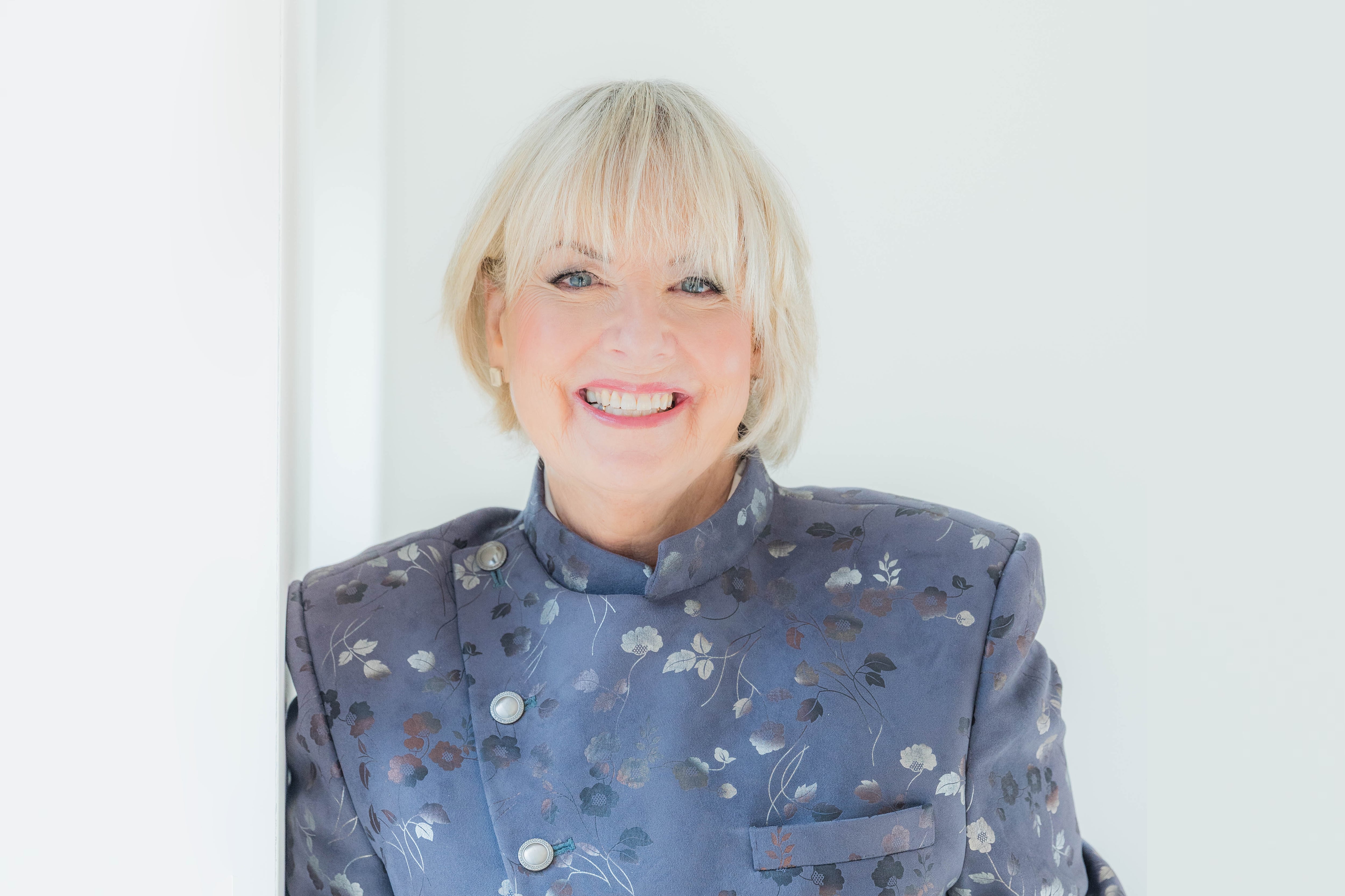
Neuroscientist: 'Stress is insidious, the brain is the last thing controlling us'
Translated from Spanish, summarized and contextualized by DistantNews.
At a glance
Interview
Sources not specified
Context piece
- Neuroscientist Terrie Hope describes chronic stress as an "insidious" force that erodes cognitive functions and emotional resilience.
- Hope argues that modern life's "resist and push" paradigm is unsustainable, emphasizing that the "self" or "being" drives decisions, not just the brain.
- She advocates for a shift towards a healthier model where well-being and high performance coexist, noting that stress is a personal perception and not a disease.
Chronic stress, often unnoticed until its effects are profound, is described by neuroscientist Terrie Hope as an "insidious" force that gradually diminishes attention, patience, creativity, and decision-making abilities. In modern life, many individuals operate on "autopilot," functioning but not truly present, a state Hope identifies as a consequence of normalized chronic stress.
Stress is insidious, it keeps creeping in and the brain doesn't stop it.
Hope, who transitioned from the pharmaceutical industry to neuroscience, investigates how neural coherence and nervous system regulation impact cognitive function and psychological resilience. Her work includes collaborations with figures like Joe Dispenza and research into techniques like Access Bars, which are associated with improved brain coherence and reduced anxiety and depression.
Currently, Hope travels globally as a speaker, advising corporate leaders and elite athletes on optimizing performance. She challenges the prevailing "resist and push" mentality, advocating for a more sustainable approach where well-being and high performance are integrated. "We are not facing a motivation problem. We are seeing the limit of a model that demands without recovery," Hope stated.
We are not facing a motivation problem. We are seeing the limit of a model that demands without recovery.
She posits that the "self" or "being" is the primary driver of our existence and decisions, rather than solely the brain. "The brain is the last thing" when considering the mind and how we experience the world, she explained, suggesting that our lived experience originates from a holistic sense of self, with the brain suffering the consequences of our lifestyle.
There is an idea that the brain controls everything, but it's the exact opposite: when we talk about the mind and how we exist in the world, the brain is the last thing.
Hope characterizes stress as a subjective perception, varying significantly from person to person, and emphasizes that it is not a quantifiable disease. "You can't take a pill to solve it," she noted, highlighting the need for a paradigm shift away from the relentless demands of modern life towards a more balanced and human-centric model.
The brain suffers the consequences of our way of living and, naturally, it is what holds us back when we "push" too hard.
DistantNews Editorial
Originally published by La Nación in Spanish. Translated, summarized, and contextualized by our editorial team with added local perspective. Read our editorial standards.
More Stories



From Our Blog

What Gets Lost (and Found) When News Is Translated

The Critical Role of Diaspora Media in Global News

What Travellers Should Know About Countries with Restricted Press

A Digital Nomad's Guide to Following Local News

How the Same Story Looks Different in Different Countries
