


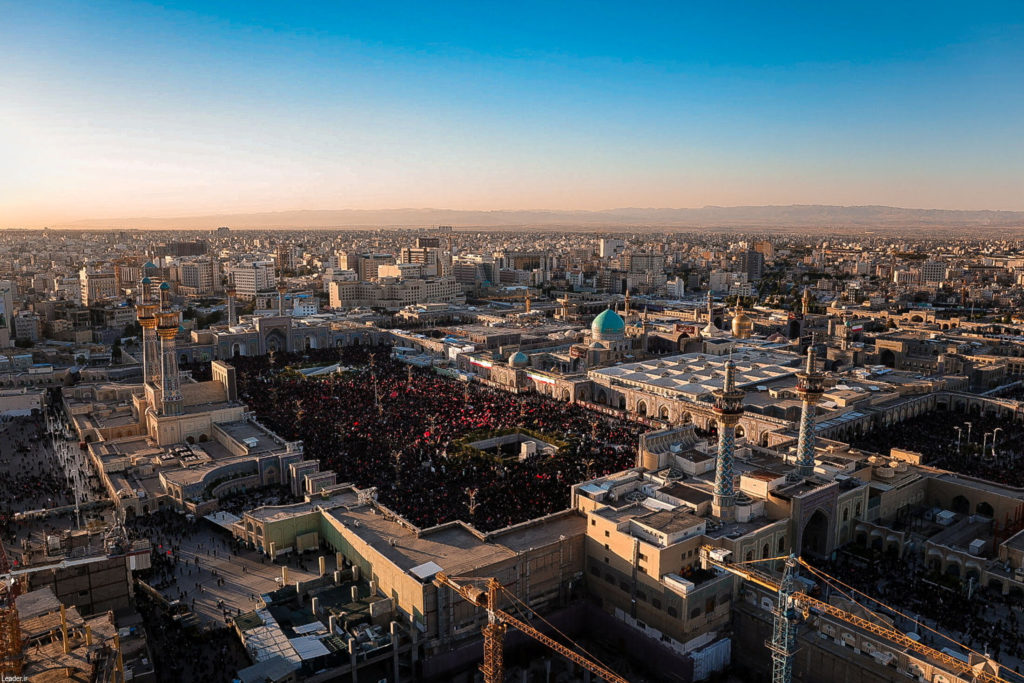
New attacks raise questions about what comes next in the Iran conflict
Translated from English, summarized and contextualized by DistantNews.
At a glance
News
Unnamed sources
Ongoing story
- President Trump declared the ceasefire with Iran over and expressed uncertainty about pursuing a deal.
- The U.S. launched new attacks on Iran, described as intended to degrade its ability to threaten navigation in the Strait of Hormuz.
- Mediators are working to salvage an interim deal amid rising tensions and potential political consequences for Republicans.
President Donald Trump has declared the ceasefire with Iran effectively over, stating he is unsure about pursuing a deal and suggesting the U.S. should "finish the job." However, he also insisted that continued attacks do not signal a return to war or long-term military action, creating confusion and uncertainty about the path forward.
This mixed messaging, coupled with the approval of successive military strikes, raises significant questions about the future of the conflict, especially just weeks after delicate diplomatic efforts to reach an initial agreement between the two longtime adversaries. The fluctuating rhetoric could be a strategy to pressure Tehran into halting attacks on oil and gas tankers in the Strait of Hormuz and complying with U.S. demands regarding its nuclear program.
Whether intended as a negotiation tactic or a sign of escalating hostilities, mediators are actively trying to preserve the interim deal. These actions risk further inflaming tensions, potentially creating challenges for Republicans in the upcoming November midterm elections if gasoline prices remain high. Trump had previously warned of impending U.S. attacks while downplaying the possibility of a full-scale war.
Officials are reportedly rushing to save the ceasefire. A regional intelligence official involved in mediation efforts described the conflict as reaching a critical stage due to rising mutual mistrust. High-level communications are ongoing around the clock to salvage the truce, with foreign ministers from Pakistan and Qatar, along with Egypt's intelligence chief, leading the efforts. Leaders from Saudi Arabia and Turkish President Recep Tayyip Erdogan are also involved.
The U.S. is reportedly displeased with the attacks on ships in the Strait of Hormuz and accuses Iran of delaying nuclear program negotiations. Tehran, conversely, claims Washington is violating the agreement concerning the strait and failing to ensure a ceasefire in Lebanon, including an Israeli withdrawal. Michael Eisenstadt, a former U.S. military analyst, noted the complex dynamics at play.
Anything that happens is going to happen very fast. We're not looking for a long time.
DistantNews Editorial
Originally published by PBS NewsHour in English. Translated, summarized, and contextualized by our editorial team with added local perspective. Read our editorial standards.
More Stories


From Our Blog

How the Same Story Looks Different in Different Countries

What Gets Lost (and Found) When News Is Translated

The Critical Role of Diaspora Media in Global News

What Travellers Should Know About Countries with Restricted Press

A Digital Nomad's Guide to Following Local News
