


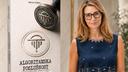
New book highlights the 'glass children' sibling burden in families with autism
Translated from Croatian, summarized and contextualized by DistantNews.
At a glance
In-depth
Sources not specified
Context piece
- A new book, "Staklena djeca – Obitelj i autizam u algoritamskom dobu" (Glass Children – Family and Autism in the Algorithmic Age), highlights the often-unseen burden carried by siblings of children with autism.
- The book argues that these "glass children," who grow up in the shadow of intense attention given to their autistic siblings, are frequently overlooked by support systems because they lack a clinical diagnosis.
- Author Marija Gombar, a scientist and researcher, combines personal testimony with theoretical insights to bring visibility to the emotional experiences of these siblings.
In families raising a child with autism spectrum disorder, the daily focus naturally shifts towards that child's needs. This gravitational pull is not linear but layered and often silent, shaping a family ecosystem where one child becomes the priority.
This intense focus, while necessary for the child with autism, can leave siblings feeling less noticed. These children, referred to as "glass children" in a new book, do not receive less love, but they do receive less attention. They grow up in the shadow of the significant care and therapeutic schedules dedicated to their siblings, navigating a world that prioritizes the diagnosed needs over their own unspoken emotional experiences.
The book "Staklena djeca – Obitelj i autizam u algoritamskom dobu" (Glass Children – Family and Autism in the Algorithmic Age) by Marija Gombar aims to bring these often-overlooked siblings into view. Gombar, a scientist and researcher in information and communication sciences, argues that these children lack clinical diagnoses and therefore do not occupy space within support systems, leading to their emotional experiences remaining unnamed, unrecognized, and unprotected.
Gombar's work is described as a significant step towards acknowledging these siblings. It serves as a personal testimony, a theoretical exploration, and a practical guide for professionals, blending scientific expertise with intimate insights into the family dynamics surrounding autism. The book seeks to validate the feelings and experiences of siblings who, despite not having a diagnosis themselves, carry a substantial emotional weight within their families.
DistantNews Editorial
Originally published by Večernji List in Croatian. Translated, summarized, and contextualized by our editorial team with added local perspective. Read our editorial standards.
More Stories

From Our Blog

What Gets Lost (and Found) When News Is Translated

The Critical Role of Diaspora Media in Global News

What Travellers Should Know About Countries with Restricted Press

A Digital Nomad's Guide to Following Local News

How the Same Story Looks Different in Different Countries
