


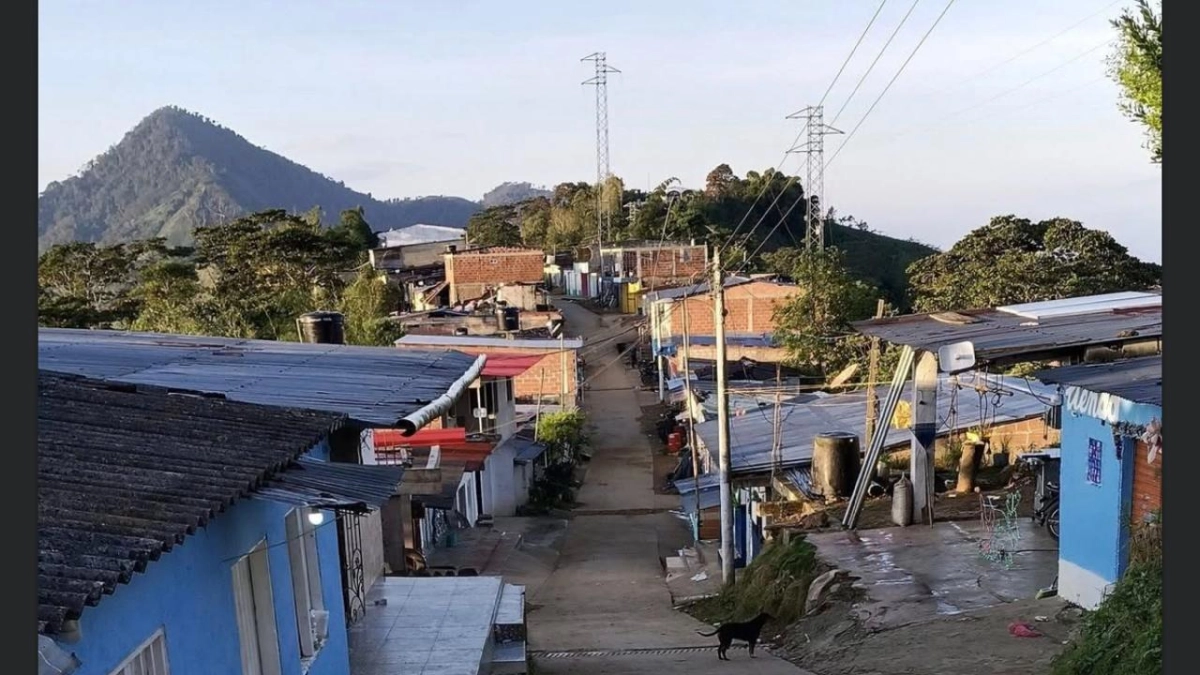
New land dispute pits Taganga and Palmor communities against indigenous peoples of the Sierra Nevada de Santa Marta
Translated from Spanish, summarized and contextualized by DistantNews.
At a glance
News
Sources not specified
Ongoing story
- Communities in Taganga and Palmor are in conflict with indigenous peoples over land rights in the Sierra Nevada de Santa Marta.
- Residents fear that the recognition of indigenous councils and land restitution processes could jeopardize their properties and livelihoods.
- Indigenous authorities assert that a disinformation campaign is underway and legal property rights will not be automatically lost.
A dispute over land is reigniting sensitive tensions in Colombia's Sierra Nevada de Santa Marta, pitting local communities against indigenous groups.
In Taganga, near Santa Marta, residents including business owners, fishermen, and hoteliers are protesting the process to consolidate the Indigenous Council and potentially establish a reserve. Similarly, in Palmor, hundreds of coffee-farming families fear that land restitution claims could threaten lands they claim to have occupied for generations.
Both communities state they respect indigenous rights but worry that judicial decisions could negatively impact those who have built their lives and assets on these territories over decades. Conversely, indigenous representatives argue that a disinformation campaign is misleading the public and that legally recognized property owners will not automatically lose their rights.
The situation in Taganga involves the recognition of an Indigenous Council and a request to validate a collective land title dating back to 1872-1873, which could lead to the formation of an indigenous reserve. This process is still under review. In Palmor, the Land Restitution Unit has filed a lawsuit to restore territorial rights for the Kogui people over approximately 7,000 hectares, a legal proceeding that is just beginning.
Despite the distinct legal frameworks, both scenarios have generated significant uncertainty among thousands of inhabitants, creating friction with indigenous communities. In Taganga, over a hundred people marched to the National Land Agency demanding clarity on the implications of the ongoing processes. Community spokespeople like José Cantillo express concern about the future of homes, property deeds, and tourism-related businesses established over decades.
We want to know what could happen to our homes, our deeds, and the businesses that sustain us.
DistantNews Editorial
Originally published by El Tiempo in Spanish. Translated, summarized, and contextualized by our editorial team with added local perspective. Read our editorial standards.
More Stories


From Our Blog

What Gets Lost (and Found) When News Is Translated

The Critical Role of Diaspora Media in Global News

What Travellers Should Know About Countries with Restricted Press

A Digital Nomad's Guide to Following Local News

How the Same Story Looks Different in Different Countries
