


New Law Causes Traffic Chaos in Copenhagen and Deepens Venstre Rift
Translated from Danish and summarized by DistantNews. Read the original for the full story.
At a glance
News
From a news agency
Ongoing story
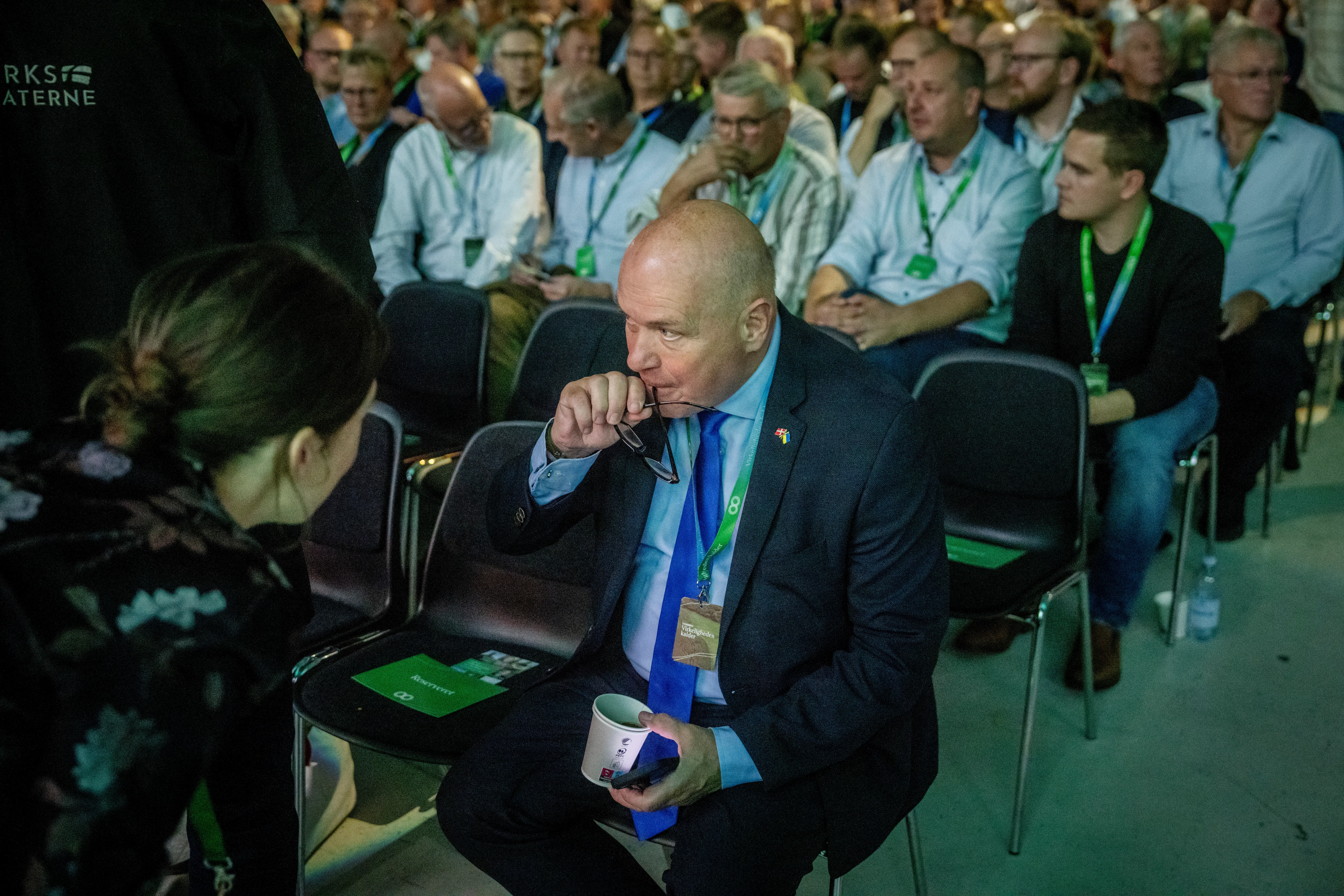
- More than 4,500 people from Denmark’s agricultural sector gathered in Odense to protest the government’s agricultural policy.
- Tractor traffic is expected to affect Copenhagen, while discontent inside the Liberal Party, Venstre, continues to grow.
- The roundup also highlights legal concerns over taxation, allegations of improper election influence in Sweden and opposition to plans for the Musik i Lejet festival.
More than 4,500 people from Denmark’s agricultural sector gathered in Odense on Monday for a major meeting about the government’s agricultural policy. On Tuesday, that discontent is expected to reach Copenhagen, with tractor traffic set to make itself visible in the capital.
The protest comes as an agricultural revolt inside Venstre grows. The party’s internal tensions form one of the day’s main political stories, with the unrest described as unsurprising behind the scenes.
Copenhagen Police issued what the roundup called an unusual press release on Monday afternoon, ahead of the expected tractor activity. The development puts the dispute over agricultural policy directly onto the streets around Christiansborg, Denmark’s parliamentary center.
The political roundup also points to wider controversies. Advisers representing citizens who pay more than 100 percent in tax doubt that Danish courts will find violations of the constitution or human rights. In Sweden, the Social Democrats have been accused of buying votes shortly before the election and reported to police for improper election influence.
Meanwhile, politicians are moving ahead with plans for Musik i Lejet despite strong opposition. The roundup also highlights the case of farmer Esben Brødbæk, who says 40 percent of his land is now at stake because of calculations he does not trust, after authorities previously took his mink.
About this summary
Originally published by Berlingske in Danish. Translated, summarized, and contextualized automatically by DistantNews, with a note on how the source frames the story. Not individually reviewed before publishing. How this works.
More Stories



From Our Blog

What Gets Lost (and Found) When News Is Translated

The Critical Role of Diaspora Media in Global News

What Travellers Should Know About Countries with Restricted Press

A Digital Nomad's Guide to Following Local News

How the Same Story Looks Different in Different Countries
