

/nginx/o/2026/06/25/17742351t1hf4a6.jpg)
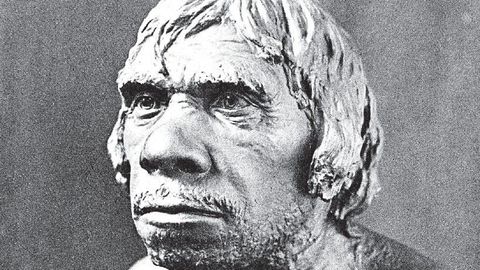
New Neanderthal DNA Study Reveals Surprising Insights into Their Extinction
Translated from Estonian, summarized and contextualized by DistantNews.
At a glance
News
Sources not specified
Context piece
- A new international study analyzed remains from nearly thirty European Neanderthals, shedding new light on their diversity.
- The research suggests some Neanderthal communities were more interconnected than previously thought.
- Findings may challenge some existing explanations for their extinction.
Decades of research have sought to explain the disappearance of Neanderthals, but only a few exceptionally well-preserved genomes have allowed for a detailed view of their true diversity. A recent international study has analyzed the remains of nearly thirty European Neanderthals, reshaping our understanding of their declining and isolated populations. New data indicates that certain Neanderthal communities maintained closer ties with each other than previously believed. This finding could potentially weaken the scientific basis for some widely accepted theories about their extinction. The study's insights raise questions about the prevailing narratives surrounding why Neanderthals ultimately vanished. While the research provides a more nuanced picture of Neanderthal social structures and interconnections, it prompts further investigation into the specific factors that led to their demise. The findings suggest that the reasons for their extinction might be more complex than simple isolation or lack of interaction. This latest genomic analysis contributes to an ongoing scientific effort to reconstruct the lives and eventual disappearance of our ancient human relatives. The study's implications could lead to a re-evaluation of existing hypotheses and potentially uncover new avenues for understanding this pivotal chapter in human evolutionary history.
DistantNews Editorial
Originally published by Postimees in Estonian. Translated, summarized, and contextualized by our editorial team with added local perspective. Read our editorial standards.
More Stories

/nginx/o/2026/06/26/17743127t1h148a.jpg)

From Our Blog

What Gets Lost (and Found) When News Is Translated

The Critical Role of Diaspora Media in Global News

What Travellers Should Know About Countries with Restricted Press

A Digital Nomad's Guide to Following Local News

How the Same Story Looks Different in Different Countries
