


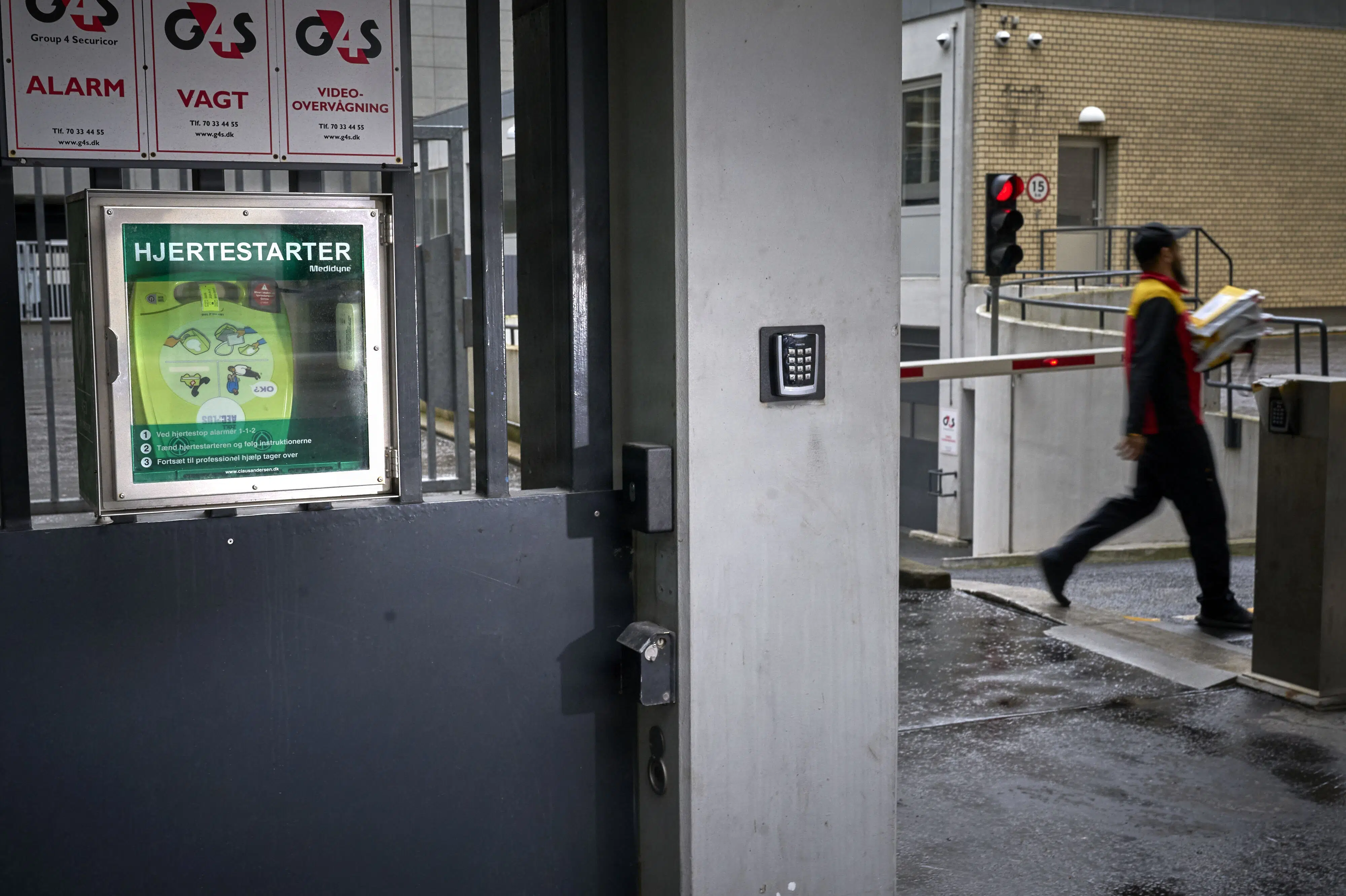
New recommendations to improve access to defibrillators in Denmark
Translated from Danish, summarized and contextualized by DistantNews.
At a glance
News
From a news agency
Context piece
- New recommendations aim to improve access to automated external defibrillators (AEDs) in Denmark.
- Many of the country's over 26,000 AEDs are not accessible 24/7 or are locked away.
- The Danish Resuscitation Council urges owners to ensure AEDs are functional and available when needed.
Denmark, despite having over 26,000 automated external defibrillators (AEDs) deployed nationwide, faces challenges in ensuring their constant availability. A significant number, nearly 5,000, are located in businesses and offices, restricting access to opening hours. Furthermore, 1,542 AEDs are kept locked, requiring a code or key.
Even though there are over 26,000 AEDs in Denmark, there are no official recommendations to guide owners and retailers on how to set up and maintain AEDs correctly.
The Danish Resuscitation Council is addressing this issue by releasing ten new recommendations for AED owners and potential buyers. The guidelines cover crucial aspects like placement and maintenance, aiming to ensure these life-saving devices are functional and accessible around the clock. Stine Strandkjær, director of the council, highlighted the importance of these recommendations, noting the lack of official guidance previously.
Therefore, we are issuing these recommendations so that we can ensure that the AEDs work when they are needed.
"We want to ensure that the AEDs work when they are needed," Strandkjær stated. Currently, approximately 70 percent of AEDs are accessible 24/7, but the council aims to increase this figure. The problem of inaccessibility is critical, as "heart runners" dispatched to cardiac arrest emergencies sometimes cannot access a functioning AED.
Today, about 70 percent of AEDs are available 24/7. But we would very much like to have more 24-hour accessible AEDs.
Research indicates that up to one in five AEDs may not be functional. This can be due to being locked, inaccessible, or simply having expired batteries or electrodes. The council's recommendations include regular checks to ensure the AED is not reporting errors and an annual inspection of battery life and electrodes. While Denmark leads internationally in survival rates for out-of-hospital cardiac arrests, Strandkjær believes further improvements are possible by ensuring greater adherence to these new recommendations, potentially increasing the number of times AEDs are used effectively during emergencies.
We have research showing that up to every fifth AED is not functional. This can cover that they have been locked away, not been accessible, but it can also cover that electrodes or batteries have expired.
DistantNews Editorial
Originally published by Berlingske in Danish. Translated, summarized, and contextualized by our editorial team with added local perspective. Read our editorial standards.
More Stories



From Our Blog

What Gets Lost (and Found) When News Is Translated

The Critical Role of Diaspora Media in Global News

What Travellers Should Know About Countries with Restricted Press

A Digital Nomad's Guide to Following Local News

How the Same Story Looks Different in Different Countries
