

/nginx/o/2026/07/05/17766115t1h8a68.jpg)
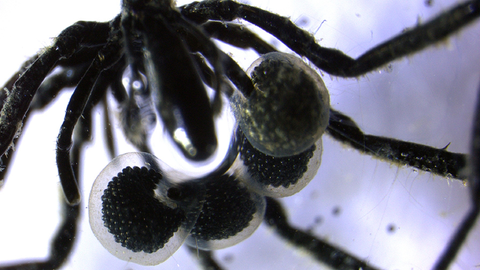
New sea spiders found living on methane off U.S. coast
Translated from Estonian, summarized and contextualized by DistantNews.
At a glance
News
Named sources
Context piece
- Three new species of sea silk spiders were discovered living on methane seeps off the U.S. West Coast.
- These spiders cultivate and consume bacteria that feed on methane, a novel survival strategy for sea spiders.
- The discovery highlights the deep sea's role in methane sequestration and underscores the risks of deep-sea mining.
In the pitch-black depths of the ocean off the U.S. West Coast, scientists have discovered three previously unknown species of sea silk spiders that have developed a unique way to survive: by eating methane. These nearly transparent creatures, found living on methane seeps, cultivate bacteria on their own exoskeletons, which then feed on the escaping methane. The spiders then consume these bacteria, turning themselves into living ecosystems.
This symbiotic relationship is a first for sea spiders, according to lead author Professor Shana Goffredi of Occidental College in Los Angeles. Unlike their predatory relatives equipped with chelicerae to pierce soft prey and suck out fluids, these newly discovered Sericosura species appear to subsist entirely on the bacteria coating their bodies. These microbes convert methane and oxygen into a nutrient-rich energy source, providing the spiders with sustenance in an environment devoid of sunlight.
Like a person eating eggs for breakfast, the sea spider scrapes the surface of its body and eats microbes from there.
The discovery sheds light on the crucial role the deep sea plays in sequestering methane, a potent greenhouse gas. While methane is a climate enemy for humans, it serves as a vital source of life for these spiders. The process occurs in complete darkness, where life thrives not through photosynthesis but chemosynthesis, an energy process driven by chemical compounds like methane. This occurs as dead marine life decomposes, releasing methane that seeps through the ocean floor, creating nutrient-rich zones.
While these spiders are tiny, their symbiotic relationship with methane-consuming bacteria could have a significant impact on the carbon cycle. "Even if they are tiny, these animals have a big impact on their environment," Goffredi emphasized. "We cannot use the oceans sustainably if we do not actually understand them." The findings also raise concerns about the potential risks associated with deep-sea mining, which could disrupt these unique ecosystems and their role in regulating climate-warming gases.
Even if they are tiny, these animals have a big impact on their environment. We cannot use the oceans sustainably if we do not actually understand them.
DistantNews Editorial
Originally published by Postimees in Estonian. Translated, summarized, and contextualized by our editorial team with added local perspective. Read our editorial standards.
More Stories

/nginx/o/2026/07/03/17757421t1h2c6f.jpg)
From Our Blog

What Gets Lost (and Found) When News Is Translated

The Critical Role of Diaspora Media in Global News

What Travellers Should Know About Countries with Restricted Press

A Digital Nomad's Guide to Following Local News

How the Same Story Looks Different in Different Countries
