

New Security Rules at Guatemala's Electoral Tribunal Raise Transparency Doubts
Translated from Spanish and summarized by DistantNews. Read the original for the full story.
At a glance
News
Sources not specified
New plan
- Guatemala's Supreme Electoral Tribunal (TSE) has implemented new security measures, prohibiting electronic devices like cell phones and cameras within its facilities.
- The TSE cites cybersecurity concerns and recent cyberattacks on state institutions as the reason for these restrictions.
- Analysts, however, express doubts, suggesting the measures could hinder transparency and access to information, particularly for election volunteers.
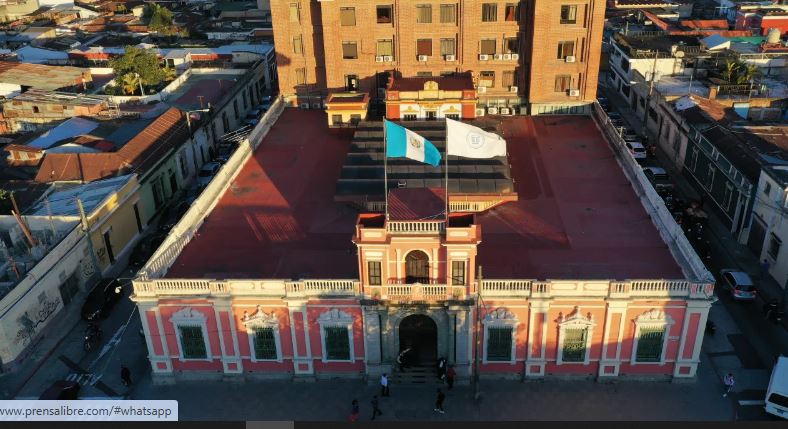
New security measures at Guatemala's Supreme Electoral Tribunal (TSE) have sparked concerns among analysts, who fear they may infringe upon basic rights such as access to information. The TSE announced on May 25 that visitors and users are now prohibited from bringing electronic devices, including cameras, cell phones, and smartwatches, into its facilities as a cybersecurity precaution.
These restrictions are a direct response to recent cyberattacks that have affected other state institutions. The TSE aims to bolster its institutional security protocols and safeguard sensitive information. However, the circular detailing these prohibitions, dated May 13, began circulating widely on social media, prompting skepticism about its necessity and implications.
The approach should be to formalize visit processes to the different TSE departments. Due to my work around electoral volunteering, I have had to be everywhere, and as a visitor, one is in common, traditional areas, where there are no inconveniences in having all that equipment they list.
Alejandro Quinteros, an independent political analyst, described the measures as "exaggerated." He noted that the TSE often hosts numerous volunteers during election periods and that restricting devices could impede transparency. Quinteros argued that processes for visitor access could be formalized instead of implementing such broad bans, especially since visitors typically access common areas where such equipment poses no issue.
The TSE has appointed Carlos Edmundo Gil Morales as the Director of Institutional Security, a role created under agreement 128-2026 with a monthly salary of Q27,000. Gil Morales previously served as head of security for the Constitutional Court. The new security chief's appointment was supported by four titular magistrates and one substitute. The article suggests that these measures, implemented amidst past questions surrounding the TSE's work, could potentially clash with the institution's need to strengthen its image and operations ahead of the 2027 elections.
I see that there is a need...
About this summary
Originally published by Prensa Libre in Spanish. Translated, summarized, and contextualized automatically by DistantNews, with a note on how the source frames the story. Not individually reviewed before publishing. How this works.
More Stories

From Our Blog

What Gets Lost (and Found) When News Is Translated

The Critical Role of Diaspora Media in Global News

What Travellers Should Know About Countries with Restricted Press

A Digital Nomad's Guide to Following Local News

How the Same Story Looks Different in Different Countries
