


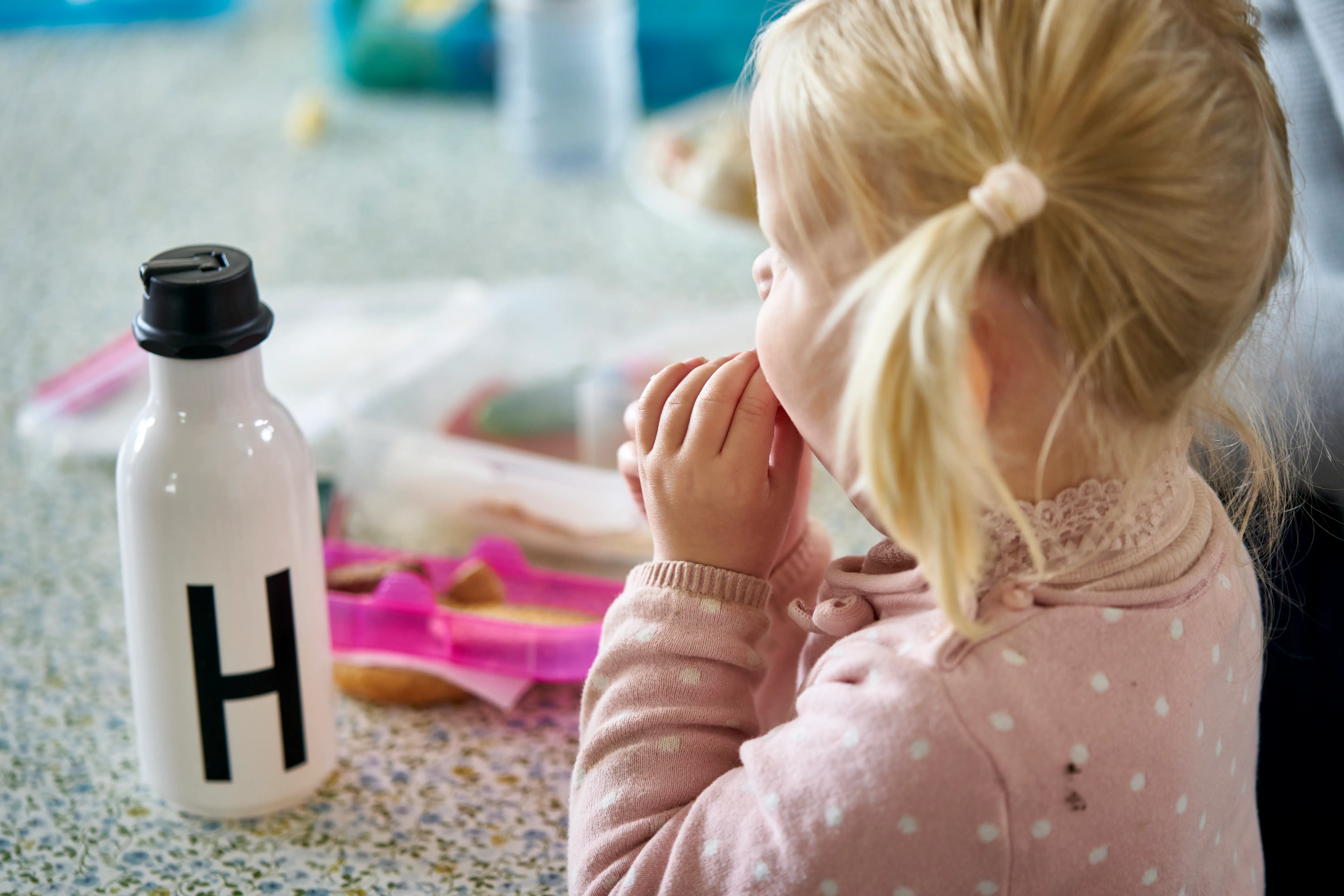
New study explores link between children's unhealthy diets and behavior
Translated from Danish, summarized and contextualized by DistantNews.
At a glance
News
Sources not specified
Context piece
- A new study suggests a link between children's unhealthy diets and behavioral differences.
- The research explores whether diet impacts children's psyche and aggression levels.
- The article references common parental awareness of vegetable benefits and myths about sugar.
A recent study is investigating the potential impact of children's diets on their psychological well-being and behavior, particularly concerning aggression. While many parents are aware of the general health benefits of vegetables, the research delves deeper into how specific dietary patterns might influence a child's psyche.
The study aims to address common beliefs and myths surrounding food, such as the pervasive notion that sugar directly causes hyperactivity in children. Researchers are examining the complex relationship between nutrition and behavior, moving beyond basic nutritional advice to explore more nuanced connections.
Common knowledge suggests that sugary and salty foods should be consumed in moderation, and that vegetables are beneficial for the body. However, this research seeks to quantify and understand if dietary choices can significantly differentiate children in crucial aspects of their development and conduct.
The article touches upon related topics, including the addictive nature of sweets, the potential for sugar to cause illness, and strategies for overcoming sugar cravings. It also mentions the less obvious effects of sugar on the body, such as skin aging and cognitive impairment, highlighting a broader concern about the hidden impacts of diet.
DistantNews Editorial
Originally published by Berlingske in Danish. Translated, summarized, and contextualized by our editorial team with added local perspective. Read our editorial standards.
More Stories



From Our Blog

What Gets Lost (and Found) When News Is Translated

The Critical Role of Diaspora Media in Global News

What Travellers Should Know About Countries with Restricted Press

A Digital Nomad's Guide to Following Local News

How the Same Story Looks Different in Different Countries
