

New Tunnel to Boost Stability of Berlin Subway Operations
Translated from German, summarized and contextualized by DistantNews.
At a glance
News
Official statement
New plan
- Berlin is starting construction on a new tunnel, the "Waisentunnel," to connect the U5 subway line to the rest of the network.
- The tunnel, expected to take four years to complete, will improve operational stability by allowing trains easier access to maintenance workshops.
- The existing 100-year-old tunnel has been closed for eight years due to safety concerns and will be demolished.
Berlin has symbolically broken ground on the new "Waisentunnel," a project designed to enhance the stability and efficiency of the city's subway operations.
The new tunnel, slated for completion in four years, will connect the U5 line to the broader U-Bahn network. Its primary function is to facilitate flexible train movement to maintenance workshops located in both eastern and western parts of the city. Currently, moving trains to workshops can be a lengthy and complex process, often requiring extensive road transport and taking up to two weeks instead of the usual two days, according to BVG CEO Henrik Falk.
This inefficiency significantly impacts the overall stability of the network. The new tunnel will allow U5 trains direct rail access to western workshops for essential maintenance, particularly major inspections only available there. Conversely, trains from other large-profile lines will rely on this tunnel for access to the Friedrichsfelde workshop when capacity is an issue.
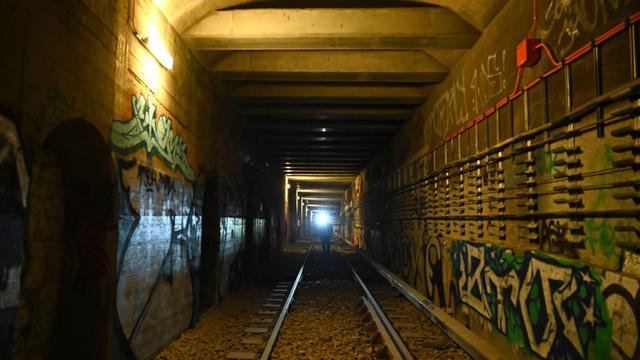
The original Waisentunnel, over a century old, runs under the Spree River and has been closed for safety reasons for the past eight years. The demolition of the old structure and construction of the new one is a complex undertaking due to its location beneath the river. Shipping traffic on the Spree will continue during construction. The project's total cost is estimated at 100 million euros, with actual construction expected to begin in the coming weeks after the finalization of the bidding process.
DistantNews Editorial
Originally published by Die Zeit in German. Translated, summarized, and contextualized by our editorial team with added local perspective. Read our editorial standards.
More Stories

From Our Blog

What Gets Lost (and Found) When News Is Translated

How the Same Story Looks Different in Different Countries

The Critical Role of Diaspora Media in Global News

What Travellers Should Know About Countries with Restricted Press

A Digital Nomad's Guide to Following Local News
