

New witness testimony could shift focus in Hungary's Fenyő murder case
Translated from Hungarian, summarized and contextualized by DistantNews.
At a glance
News
Named sources
Under investigation
- A key witness in the Fenyő murder case claims Tamás Gyárfás did not order the killing, potentially altering the case's direction.
- Gyárfás and Tamás Portik were previously convicted in 2019 as instigators of the 1998 murder of media mogul János Fenyő.
- The conviction relied heavily on recordings of conversations between Gyárfás and Portik, and testimony from Portik's confidant and Péter Tasnádi.
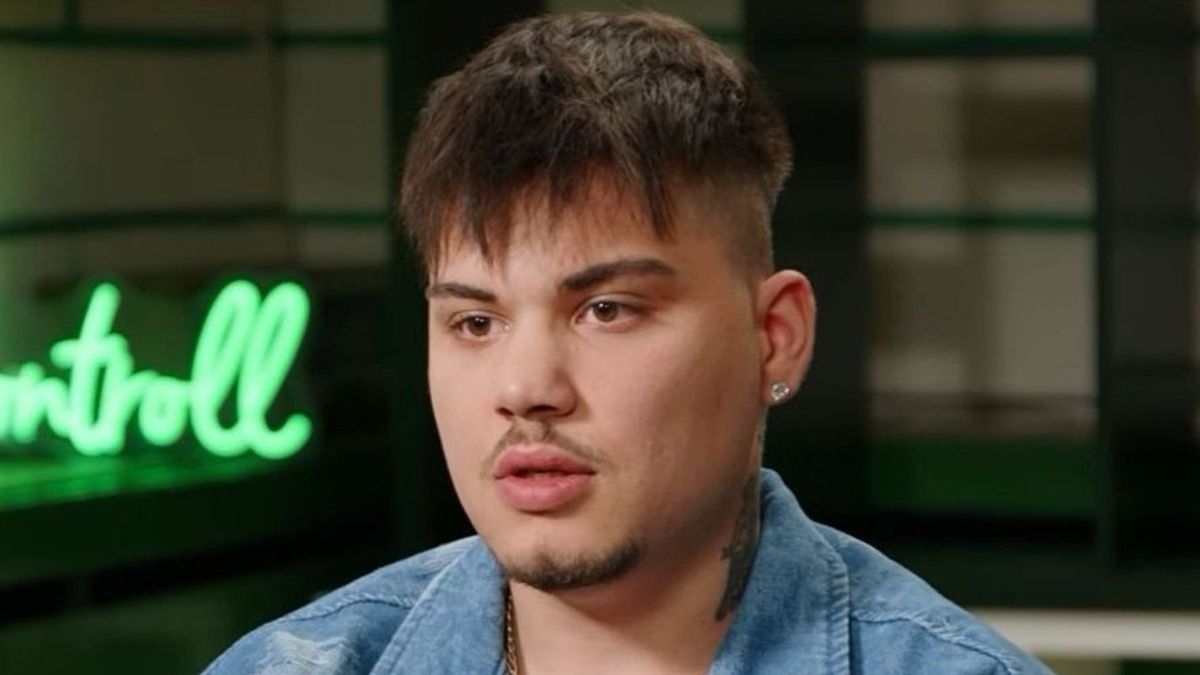
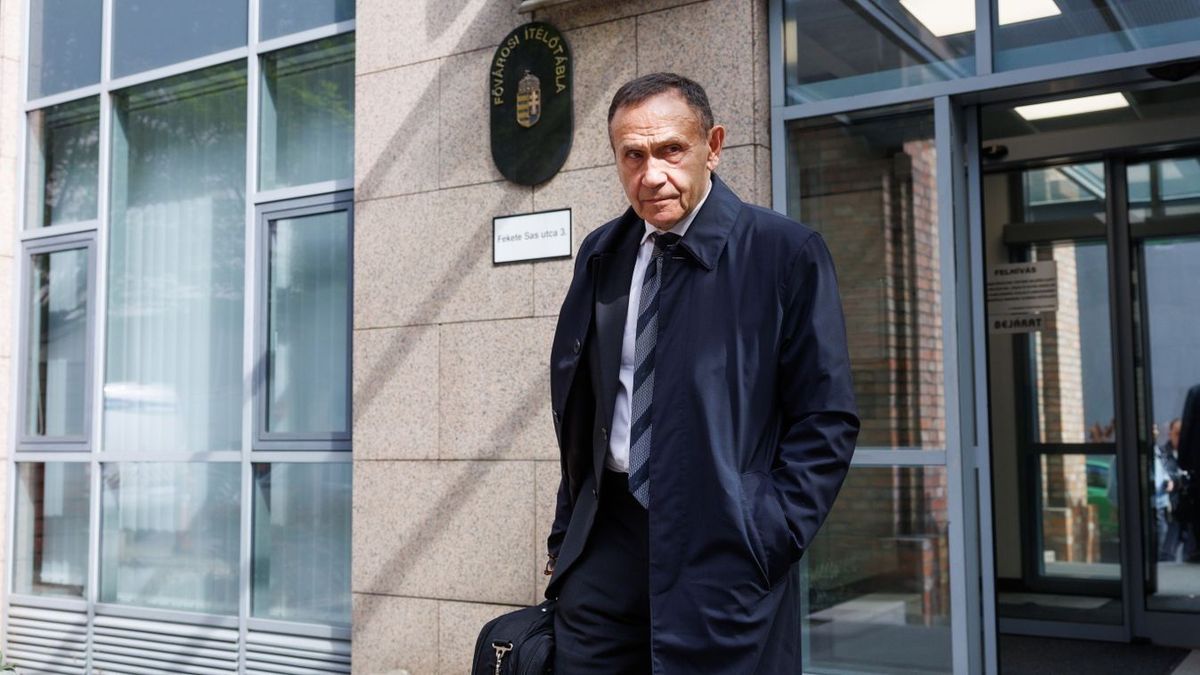
A potential turning point has emerged in the high-profile Fenyő murder case, with a witness now claiming that Tamás Gyárfás did not issue the order for the assassination. This testimony could significantly impact the legal proceedings against the former swimming federation president. Gyárfás, along with Tamás Portik, was convicted in 2019 as an instigator in the 1998 murder of media mogul János Fenyő. The crime, which occurred in Budapest, sent shockwaves through Hungarian society, prompting then-Prime Minister Gyula Horn to declare, "What we have today is not public safety." The police pursued the case for thirteen years before making a breakthrough in 2011 with the arrest of Jozef Roháč, linked to the murder and other contract killings. Roháč's DNA was found on a cap left at the crime scene. The prosecution later charged Gyárfás and Portik as instigators of premeditated murder. The court's 2023 ruling, sentencing Gyárfás to seven years and Portik to life imprisonment, hinged on crucial evidence. This included audio recordings made by Portik during conversations with Gyárfás in the mid-2000s, where they alluded to the Fenyő murder. Portik's confidant, who passed a polygraph test, also testified that he delivered a message from Portik to Gyárfás in late 1997, stating "the matter will soon be realized." The court also considered the testimony of Péter Tasnádi, who stated Gyárfás had commissioned him to arrange the murder, allegedly paying twelve million forints for the deed, though Tasnádi claims he did not carry it out and defrauded Gyárfás. This new witness statement, however, challenges the narrative that Gyárfás directly ordered the killing, potentially reopening aspects of the investigation.
DistantNews Editorial
Originally published by Magyar Nemzet in Hungarian. Translated, summarized, and contextualized by our editorial team with added local perspective. Read our editorial standards.
More Stories


From Our Blog

Countries Without a Free Press: What You Need to Know

What Press Freedom Means for the News You Read

What Gets Lost (and Found) When News Is Translated

The Critical Role of Diaspora Media in Global News

What Travellers Should Know About Countries with Restricted Press
