

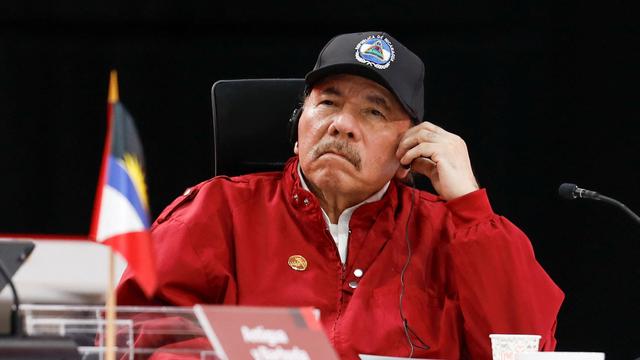
Nicaragua: President Ortega categorically rules out elections
Translated from German, summarized and contextualized by DistantNews.
At a glance
News
Sources not specified
New plan
- Nicaraguan President Daniel Ortega has declared that no more elections will be held in the country, aiming to systematically block the opposition's path to power.
- Ortega stated that opposition parties seeking to take power would be prevented from participating in future elections.
- Originally scheduled for November, elections were postponed to 2027 following a constitutional reform that extended the presidential term from five to six years.
Nicaragua's long-serving President Daniel Ortega has categorically ruled out future elections, signaling a definitive move to prevent any possibility of an opposition takeover. "You can forget about it, there will be no more elections here in Nicaragua where you try to take the government and seize power," Ortega declared in the capital, Managua, addressing his political adversaries. The 80-year-old leader, who came to power after leading the Sandinista revolution that overthrew dictator Anastasio Somoza 47 years ago, accused his opponents of constantly plotting and seeking ways to form parties to win potential elections. He vowed to prevent parties supported by the United States from gaining power in Nicaragua. Ortega also announced plans to work with the National Assembly to draft legislation that would create "a wall, a barrier" against "coup plotters and traitors to the homeland." This declaration comes despite elections originally being scheduled for November. However, a constitutional reform enacted a year and a half ago extended the presidential term from five to six years, pushing the next elections to 2027. The opposition movement, largely operating in exile, hopes that international pressure will eventually lead to the reinstatement of elections in the impoverished Central American nation.
You can forget about it, there will be no more elections here in Nicaragua where you try to take the government and seize power.
DistantNews Editorial
Originally published by Die Zeit in German. Translated, summarized, and contextualized by our editorial team with added local perspective. Read our editorial standards.
More Stories

From Our Blog

What Gets Lost (and Found) When News Is Translated

How the Same Story Looks Different in Different Countries

The Critical Role of Diaspora Media in Global News

What Travellers Should Know About Countries with Restricted Press

A Digital Nomad's Guide to Following Local News
