


Nigeria approves snakebite research center, allocates funds for health and aviation projects
Translated from English, summarized and contextualized by DistantNews.
At a glance
News
Official statement
New plan
- The Federal Government has approved the establishment of a National Snakebite Research and Medical Centre in Kaltungo, Gombe State.
- The government also allocated N128.29 billion for various health and aviation projects, including tuberculosis and reproductive health commodities.
- The new snakebite center aims to address the significant public health challenge of snake envenomation, particularly in rural communities, and will serve as a specialized facility for treatment and research.
Nigeria's Federal Government has approved the creation of a National Snakebite Research and Medical Centre in Kaltungo, Gombe State, aiming to tackle a significant public health issue. The approval came during the Federal Executive Council meeting, which also sanctioned N128.29 billion for five health and aviation projects.
The Federal Executive Council today considered four important items related to the health of Nigerian people. First was the upgrade of the snakebite treatment centre in Kaltungo, Gombe State into the National Snakebite Research and Medical Centre in Kaltungo, Gombe State with an expanded mandate for clinical services, research and training to respond to the need that exists in our country for adequate attention to snake bites and snake envenomation.
These projects include the procurement of tuberculosis commodities worth N62 billion, reproductive health drugs valued at N25 billion, ten blood donation vans costing N6.9 billion, and the construction of the Gboko airstrip in Benue State for N34.39 billion. The snakebite center will upgrade an existing facility, expanding its mandate to include clinical services, research, and training.
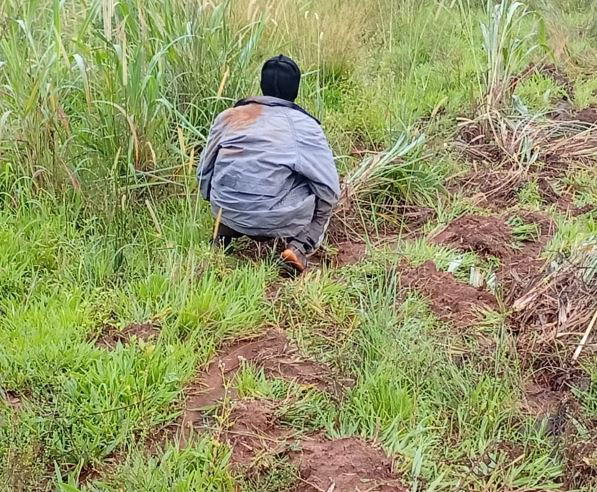
Snakebite remains a significant yet neglected public health challenge, particularly in our rural communities here in Nigeria, in the savannah regions, but also across the sub-region, and is especially hard on vulnerable populations, farmers, herders, hunters, women and children, whose livelihoods and daily activities expose them to encounters with snakes.
Professor Muhammad Pate, the Coordinating Minister of Health and Social Welfare, highlighted that snakebite envenomation is a neglected public health challenge, especially affecting vulnerable populations like farmers, herders, women, and children in rural and savannah regions. He noted that over 43,000 snakebites occur annually, leading to deaths, disfigurement, and disability, with a severe socioeconomic impact. The new center is expected to provide specialized care, conduct research, and ensure a sustainable supply of anti-snake venom, becoming a vital institution for Nigeria and the sub-region.
We do have a large burden. Over 43,000 snakebites annually occur, many of which result in death, disfigurement, disability and psychological trauma with severe socioeconomic impact. This new centre will be an important new institution that will address the challenge, particularly in the Northeast, the Northwest and the North Central geopolitical zones of Nigeria, where the issue is most dire.
DistantNews Editorial
Originally published by The Punch in English. Translated, summarized, and contextualized by our editorial team with added local perspective. Read our editorial standards.
More Stories


From Our Blog

How the Same Story Looks Different in Different Countries

What Gets Lost (and Found) When News Is Translated

The Critical Role of Diaspora Media in Global News

What Travellers Should Know About Countries with Restricted Press

A Digital Nomad's Guide to Following Local News
