


Nigeria election: Trust becomes key issue as candidates present different visions
Translated from English, summarized and contextualized by DistantNews.
At a glance
In-depth
Sources not specified
Context piece
- As Nigeria approaches the 2027 presidential election, trust is emerging as a key voter concern over political networks or experience.
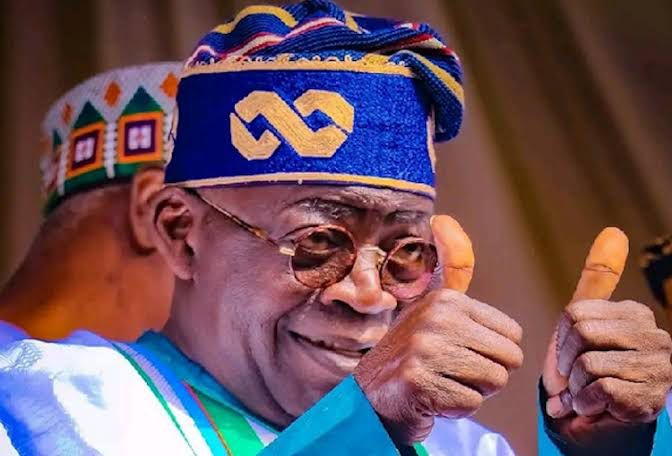
- President Bola Ahmed Tinubu faces scrutiny over economic reforms that have increased living costs, despite claims of laying groundwork for recovery.
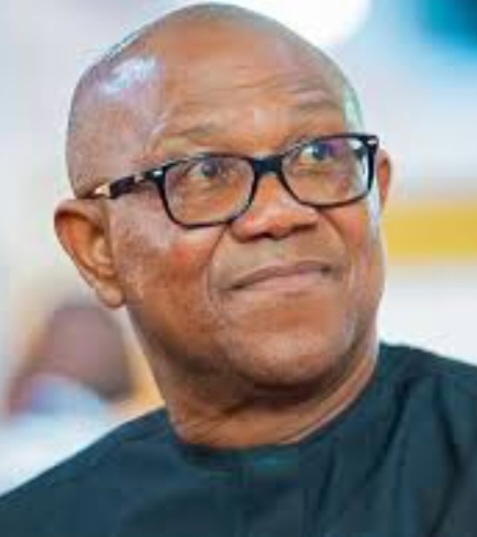
- Other candidates like Atiku Abubakar and Peter Obi present different propositions, but face challenges related to past allegations and public perception.
With Nigeria's 2027 presidential election on the horizon, the political landscape is shifting, with trust emerging as a paramount concern for voters. After years marked by corruption scandals, economic hardship, worsening insecurity, and unfulfilled promises, Nigerians are increasingly evaluating potential leaders based on their perceived integrity and past actions rather than solely on their platforms or political connections.
President Bola Ahmed Tinubu, the incumbent, is campaigning on his administration's reforms, including the removal of fuel subsidies and foreign exchange adjustments, which he argues are essential for long-term economic recovery. However, these policies have imposed significant personal costs on many Nigerians, leading to high inflation, soaring food prices, and a weakened naira. While the government highlights improving macroeconomic indicators and growing investor confidence, citizens report little to no tangible improvement in their daily lives. Security remains another critical challenge, with ongoing banditry, terrorism, and kidnappings despite government claims of operational successes.
Former Vice-President Atiku Abubakar brings extensive political experience, having vied for the presidency multiple times since 1999. His supporters tout his administrative and business acumen. However, persistent corruption allegations, including scrutiny from a 2010 U.S. Senate subcommittee inquiry, continue to influence public perception. Abubakar has consistently denied wrongdoing and has not been convicted in Nigerian courts, but in a country where corruption is a major concern, perception often holds significant political sway.
Prince Adewole Adebayo of the Social Democratic Party (SDP) offers a distinct political proposition, emphasizing a future untainted by the perceived failures of past leadership. While the article text cuts off before detailing Adebayo's specific platform or Peter Obi's reputation, it establishes the central tension of the election: voters are seeking trustworthiness in a political environment fraught with economic difficulties and security concerns. The candidates' ability to navigate these issues and convince the electorate of their integrity will likely determine the election's outcome.
DistantNews Editorial
Originally published by ThisDay in English. Translated, summarized, and contextualized by our editorial team with added local perspective. Read our editorial standards.
More Stories

From Our Blog

How the Same Story Looks Different in Different Countries

What Gets Lost (and Found) When News Is Translated

The Critical Role of Diaspora Media in Global News

What Travellers Should Know About Countries with Restricted Press

A Digital Nomad's Guide to Following Local News
