


Nigeria forms committee to boost fish production and cut imports
Translated from English and summarized by DistantNews. Read the original for the full story.
At a glance
News
Named sources
New plan
- Nigeria's Federal Government has inaugurated a 17-member technical committee to address the country's fish production deficit.
- The committee aims to reduce reliance on fish imports and strengthen the aquaculture value chain by developing a coordinated implementation roadmap.
- Key challenges identified include high production costs, inadequate access to quality seed, post-harvest losses, and insufficient cold-chain infrastructure.
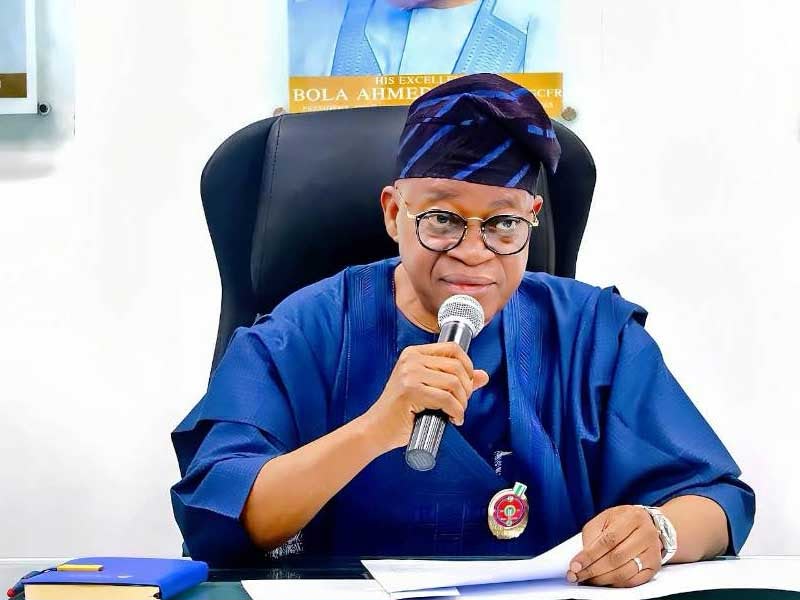
Nigeria's Federal Government has launched a new initiative to bolster its domestic fish production and curb its significant reliance on imports. The Minister of Marine and Blue Economy, Adegboyega Oyetola, inaugurated a 17-member Technical Committee on Accelerating Fish Production in Nigeria in Abuja on Thursday.
The committee's mandate is to translate recommendations from a previous strategic roundtable into actionable steps, moving beyond policy discussions to create a concrete implementation roadmap. Minister Oyetola highlighted that fish is a vital source of protein for millions of Nigerians and that the fisheries and aquaculture sector supports numerous livelihoods. However, domestic production falls substantially short of national demand, impacting food security, household incomes, and foreign exchange reserves.
Fish is an important source of animal protein for millions of Nigerians. The fisheries and aquaculture sector sustains livelihoods across production, processing, marketing, transportation and related services. However, domestic production remains substantially below national demand, with consequences for food security, household incomes and foreign-exchange resources.
Several challenges have been identified as major constraints to the sector. These include high production costs, particularly for feed; limited access to quality fish seed and broodstock; weak fish-health and biosecurity systems; significant post-harvest losses; and insufficient cold-chain and storage infrastructure. Additionally, the sector faces hurdles such as limited access to affordable finance, gaps in research and innovation, inadequate data systems, and insufficient market development.
Minister Oyetola emphasized that the recent transfer of fisheries and aquaculture functions to the Ministry of Marine and Blue Economy provides a stronger institutional framework to tackle these issues as part of Nigeria's broader blue economy development. The committee is tasked with assessing proposals from the strategic roundtable, held on October 29, 2025, and developing a prioritized roadmap for implementation, ensuring alignment with national policies and mandates.
Your assignment is not to develop another policy or establish a parallel programme.
About this summary
Originally published by The Punch in English. Translated, summarized, and contextualized automatically by DistantNews, with a note on how the source frames the story. Not individually reviewed before publishing. How this works.
More Stories

From Our Blog

How the Same Story Looks Different in Different Countries

What Gets Lost (and Found) When News Is Translated

The Critical Role of Diaspora Media in Global News

What Travellers Should Know About Countries with Restricted Press

A Digital Nomad's Guide to Following Local News
