


Nigeria’s 2027 Moment: Policy Drift, Political Ambition, Feasibility of Real Reform
Summarized and contextualized by DistantNews.
At a glance
Analysis
Sources not specified
Context piece
- Nigeria is entering its 2027 election cycle with a crowded and fluid presidential field across major political parties.
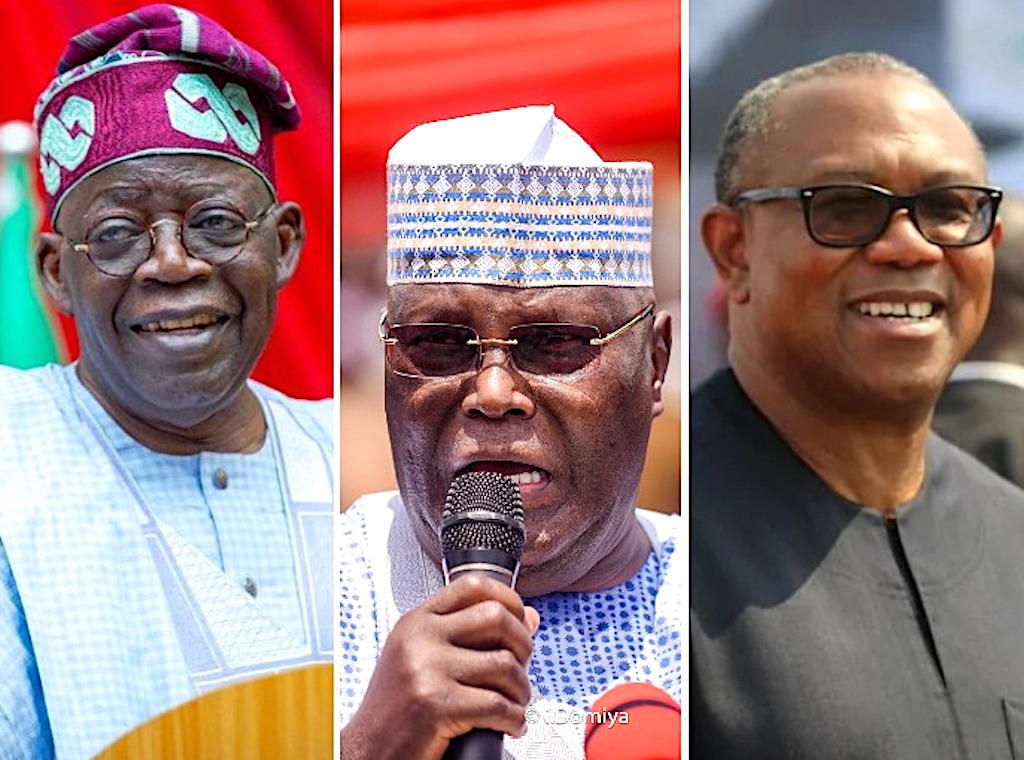
- Key contenders include established figures like Bola Ahmed Tinubu (APC), Atiku Abubakar (ADC), and Peter Obi (NDC), representing different policy models and institutional philosophies.
- The election is expected to be a competition of policy ideas rather than personalities, with voters demanding clarity, coherence, and credibility amid economic strain and uncertainty.
Nigeria is gearing up for the 2027 presidential election, marked by an unusually large and dynamic field of aspirants across the political spectrum. Major parties such as the All Progressives Congress (APC), African Democratic Congress (ADC), Nigerian Democratic Congress (NDC), People Democratic Party (PDP), and Social Democratic Party (SDP) are seeing various contenders emerge, each attempting to articulate a distinct vision for the nation.
Within the APC, President Bola Ahmed Tinubu remains a central figure, with significant support for a continuity agenda, though internal factions are exploring alternatives. In the ADC, Atiku Abubakar is a prominent figure negotiating influence for a potential run. Peter Obi continues to anchor the Nigerian Democratic Congress, appealing to reform-minded voters with his governance-first message. The presence of additional aspirants from other platforms adds further diversity to the electoral landscape.
This expanding roster of candidates signals that the 2027 election will likely be a contest of policy models and institutional philosophies, rather than solely a personality-driven race. Nigerian voters, described as more skeptical, economically strained, and politically assertive than in previous cycles, are demanding clarity, coherence, and credibility from potential leaders.
The analysis of key figures like Tinubu, Atiku, and Obi, along with emerging coalitions, is crucial not just as individuals but as representatives of distinct reform pathways vying for national legitimacy. The Tinubu administration has undertaken significant economic reforms, including fuel subsidy removal and exchange rate liberalization, aiming to address structural distortions. However, the speed and sequencing of these measures, particularly the abrupt subsidy removal, have led to increased inflation, eroded purchasing power, and heightened business uncertainty.
DistantNews Editorial
Originally published by ThisDay. Summarized and contextualized by our editorial team with added local perspective. Read our editorial standards.
More Stories


From Our Blog

How the Same Story Looks Different in Different Countries

What Gets Lost (and Found) When News Is Translated

The Critical Role of Diaspora Media in Global News

What Travellers Should Know About Countries with Restricted Press

A Digital Nomad's Guide to Following Local News
