


Nigeria unveils new HIV plan, seeks shift from donor dependence to domestic financing
Summarized and contextualized by DistantNews.
At a glance
News
Named sources
New plan
- Nigeria has launched its National HIV and AIDS Strategic Plan (NSP) for 2026–2030, aiming to shift from donor dependence to domestic financing.
- The plan acknowledges significant progress in reducing infections but highlights the need for a new approach due to changing global financial conditions.
- Key priorities include integrating HIV services into existing national systems and ensuring sustainability and equity in the response.
Nigeria has officially unveiled its new National HIV and AIDS Strategic Plan (NSP) for 2026–2030, marking a pivotal moment in the nation's long-term response to the epidemic. This comprehensive plan signals a strategic pivot away from reliance on external donor funding towards a model of domestic financing and government-led initiatives.
This new Strategic Plan reflects lessons learned from implementation, new evidence from the National HIV Estimates and the need to reposition the response in a rapidly changing global environment.
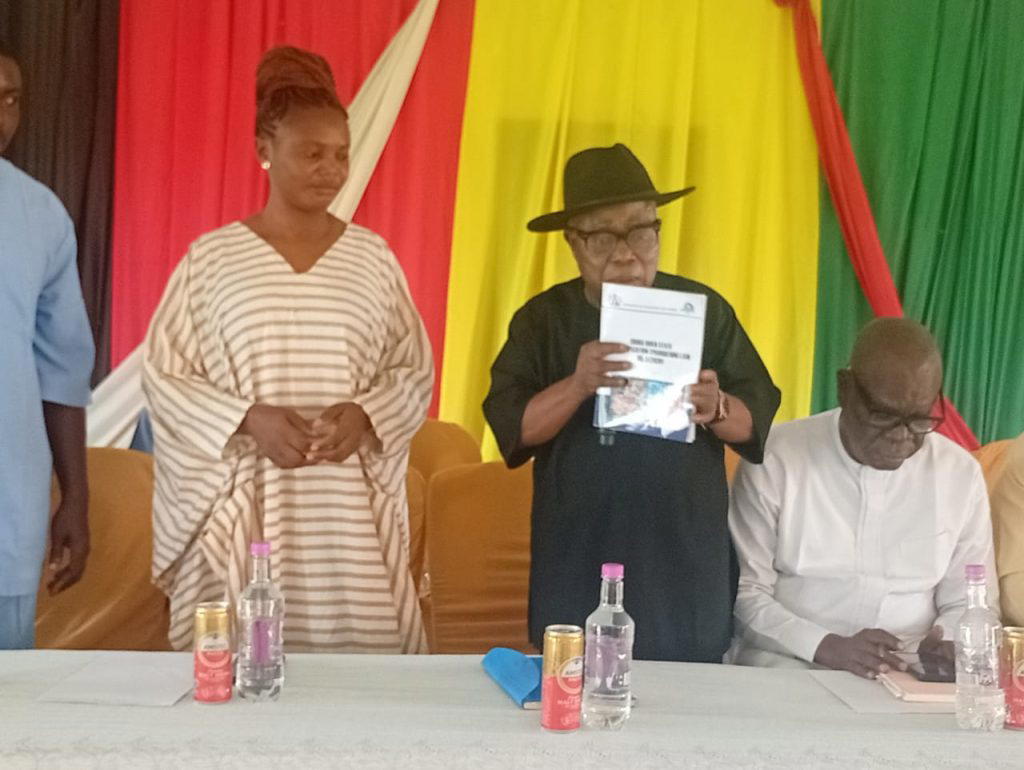
The unveiling ceremony in Abuja on Thursday highlighted the critical juncture the country's HIV response has reached. Temitope Ilori, Director-General of the National Agency for the Control of AIDS (NACA), stated that while Nigeria has achieved substantial progress over the past two decades, including reduced new infections and better treatment access, evolving global financial dynamics necessitate a recalibrated strategy. The NSP is designed to align with current evidence and global priorities, incorporating lessons learned from past implementations.
A central theme of the new plan is the transition to domestic ownership, driven by declining external funding and the need for more cohesive program structures. Ilori explained that the NSP prioritizes integrating HIV services across various sectors, such as health, education, youth development, and justice. The plan's development involved extensive consultations with government bodies, civil society organizations, development partners, and community networks, emphasizing a collective commitment to a resilient and equitable HIV response.
This Strategic Plan calls on all stakeholders to renew their commitment and work collectively to achieve a resilient, equitable, and sustainable HIV response for Nigeria.
NACA's Deputy Director of Policy, Planning and Coordination, Mariam Ezekwe, presented the framework, noting that Nigeria has made significant strides, including a 52% reduction in new infections since 2010 and approximately 80% of people living with HIV knowing their status as of 2025. However, she stressed that persistent gaps and structural weaknesses in financing and service delivery require focused reforms for the next phase. The plan aims to ensure sustainability and stronger system integration to address these challenges effectively.
Fifty-two per cent reduction in new infections since 2010, and just about 80 per cent of People Living with HIV/AIDS know their status in 2025. These are the latest data from the Spectrum estimate. And currently we have an estimated 1,985,284 people living with HIV/AIDS.
DistantNews Editorial
Originally published by Premium Times. Summarized and contextualized by our editorial team with added local perspective. Read our editorial standards.
More Stories



From Our Blog

How the Same Story Looks Different in Different Countries

What Gets Lost (and Found) When News Is Translated

The Critical Role of Diaspora Media in Global News

What Travellers Should Know About Countries with Restricted Press

A Digital Nomad's Guide to Following Local News
