


Nigerian children suffer as Iran war fuels poverty and malnutrition
Translated from English, summarized and contextualized by DistantNews.
At a glance
News
Named sources
Context piece
- Nigerian children are suffering from rising malnutrition and poverty, exacerbated by the war in Iran and its impact on global fuel prices.
- The conflict has worsened food security in northern Nigeria, a region already struggling with an insurgency crisis and economic hardship.
- Experts warn that millions more children, particularly in Africa and Asia, could fall into poverty if the Middle East conflict continues.
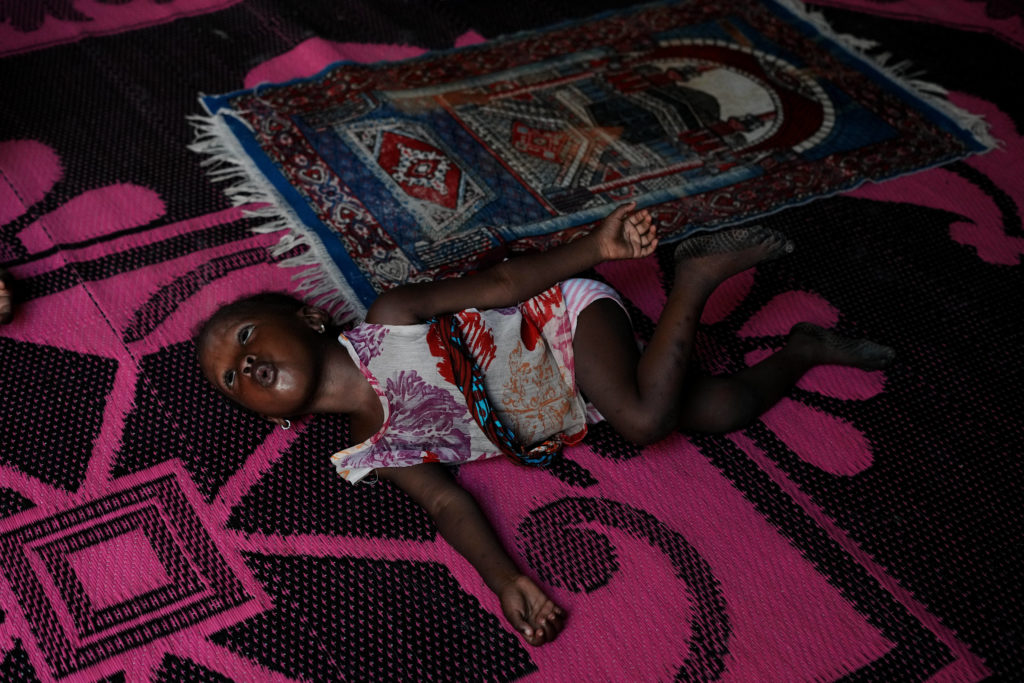
Maryam Aminu was unsurprised when her 18-month-old child was diagnosed with malnutrition for the second time in April. In their small home in Kware, Sokoto, northwest Nigeria, she struggles to provide consistent, nutritious meals. The family's economic hardship, already a challenge, worsened significantly after February when her husband, Shehu Aminu, lost his taxi driver job due to a surge in petrol prices linked to the war in Iran.
"Times are tough, and the food is not consistent," Aminu stated, her voice heavy with the reality of their situation. Health and aid workers in Sokoto and across northern Nigeria report that children relapsing into malnutrition is becoming increasingly common. They attribute this trend to the ripple effects of the Middle East conflict, which has compounded existing pressures from an insurgency crisis and widespread poverty in one of the world's poorest regions.
The war's impact on global fuel prices has had a direct effect on Nigeria. Fuel pump prices jumped from 800 naira ($0.58) per liter in February to 1,400 naira ($1.02) in April. This shockwave has driven up the cost of essential goods, including food and necessities, further straining household budgets.
When she was diagnosed the second time, even though I suspected it, I was sad and angry because I knew why. Times are tough, and the food is not consistent.
According to a World Bank report, 139 million Nigerians are currently living in poverty or are vulnerable to it. The United Nations children's agency UNICEF has issued a stark warning: if the Middle East conflict persists, an additional 23.4 million children could fall into monetary poverty by the end of the year. UNICEF Executive Director Catherine Russell emphasized that children far beyond the immediate conflict zone are bearing the consequences, with at least 80% of these vulnerable children residing in Africa and Asia.
"Children are paying the price for the escalating conflict in the Middle East, including children far beyond the region," Russell said. "The longer this continues, the worse the consequences will be." The closure of the Strait of Hormuz, a critical global oil and gas transit route, before the war sent economic tremors worldwide, affecting everything from groceries to airline tickets. In Nigeria, the soaring fuel costs have intensified the struggle for survival for many families, with children bearing the brunt of this escalating crisis.
Children are paying the price for the escalating conflict in the Middle East, including children far beyond the region. The longer this continues, the worse the consequences will be.
DistantNews Editorial
Originally published by PBS NewsHour in English. Translated, summarized, and contextualized by our editorial team with added local perspective. Read our editorial standards.
More Stories


From Our Blog

How the Same Story Looks Different in Different Countries

What Gets Lost (and Found) When News Is Translated

The Critical Role of Diaspora Media in Global News

What Travellers Should Know About Countries with Restricted Press

A Digital Nomad's Guide to Following Local News
