



‘No one will save us’: Caribbean must be self-reliant for economic survival - professor
Summarized and contextualized by DistantNews.
At a glance
News
Sources not specified
Context piece
- A Caribbean professor warns that the region must prioritize economic self-reliance due to fracturing global trade.
- Professor Justin Robinson stated that foreign powers will not necessarily support the Caribbean as geopolitical dynamics shift.
- The call for self-sufficiency comes amid increasing uncertainty in international economic relations.
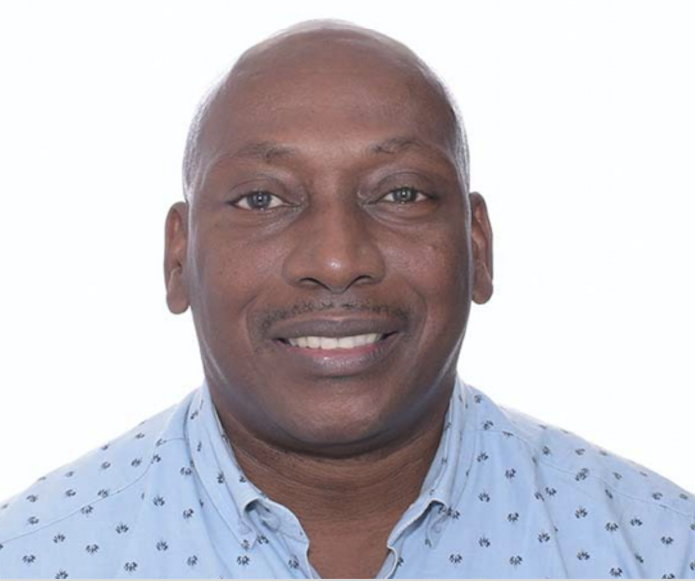
The Caribbean must embrace economic self-reliance as global trade fractures, according to Professor Justin Robinson. He cautioned that in the current geopolitical climate, foreign powers may not offer consistent support to the region. Robinson's warning, echoing a sentiment of 'no one will save us,' emphasizes the urgent need for Caribbean nations to strengthen their own economic resilience and capabilities.
The professor highlighted that as international trade patterns become less predictable, the region cannot depend on external actors for its survival. This shift necessitates a proactive approach to developing internal economic strategies and fostering greater regional cooperation. The focus must be on building robust domestic economies that can withstand external shocks and uncertainties.
Robinson's remarks underscore a critical juncture for the Caribbean, urging a transition from external dependency to internal strength. The call for self-sufficiency is a direct response to the evolving global landscape, where national and regional interests are increasingly taking precedence.
No one will save us
DistantNews Editorial
Originally published by Barbados Today. Summarized and contextualized by our editorial team with added local perspective. Read our editorial standards.
More Stories

From Our Blog

What Gets Lost (and Found) When News Is Translated

The Critical Role of Diaspora Media in Global News

What Travellers Should Know About Countries with Restricted Press

A Digital Nomad's Guide to Following Local News

How the Same Story Looks Different in Different Countries
