

No Progress on Electoral Reform, Patricia Bullrich Agrees on New Roadmap for Government Projects
Translated from Spanish, summarized and contextualized by DistantNews.
At a glance
News
Named sources
Ongoing story
- Senator Patricia Bullrich agreed to a new schedule for the government's executive projects, but key reforms remain delayed.
- The ruling party's desired electoral reform and private property inviolability bill will not advance soon.
- Opposition legislators are hesitant to session this week, delaying votes on significant government initiatives.
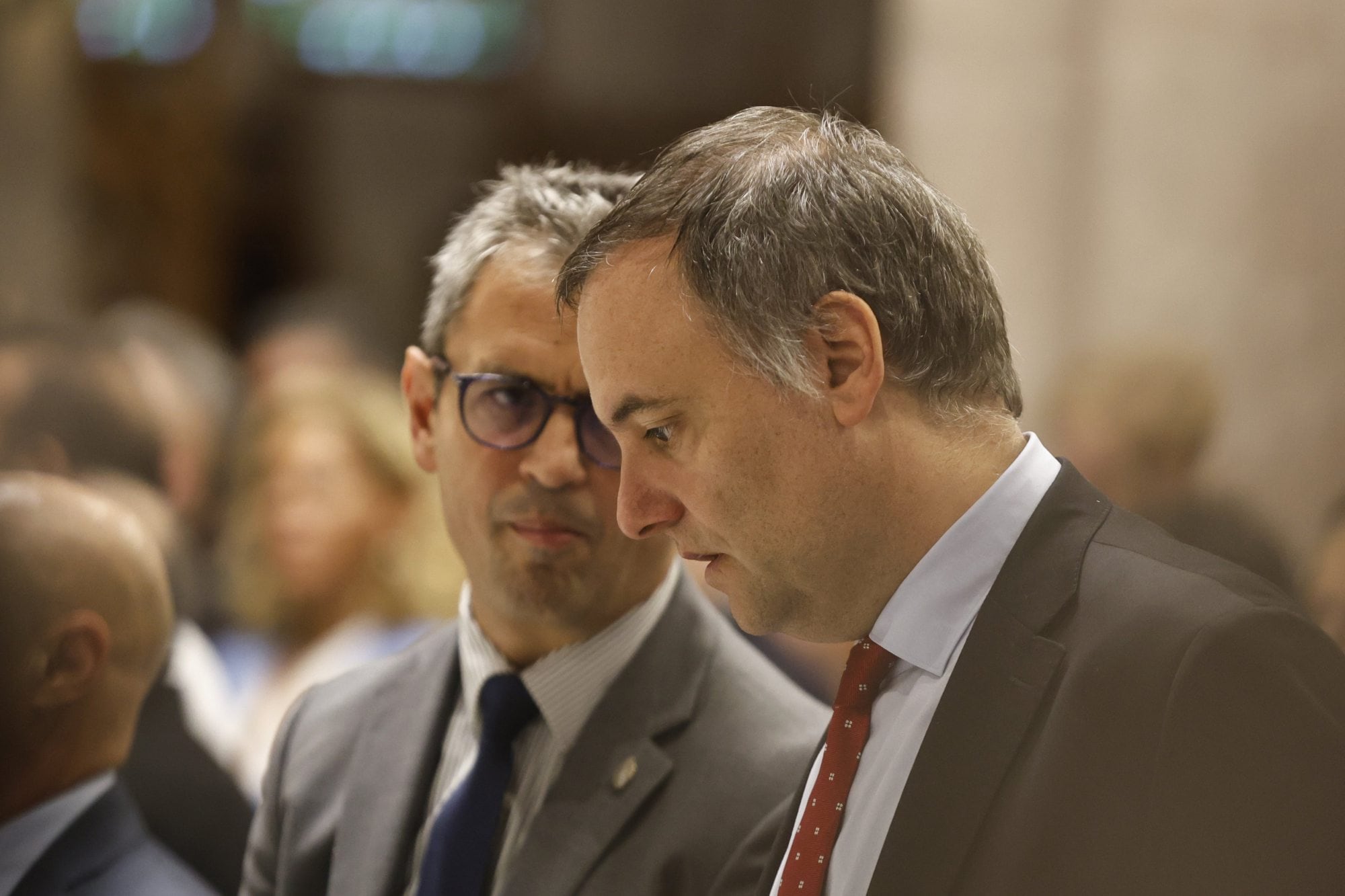
Senator Patricia Bullrich, leader of the ruling party in the Senate, has agreed to a revised schedule for the executive branch's projects, signaling a gesture of cooperation with the opposition. However, the administration of President Javier Milei faces continued delays on its most significant legislative priorities, including electoral reform and a bill to guarantee the inviolability of private property.
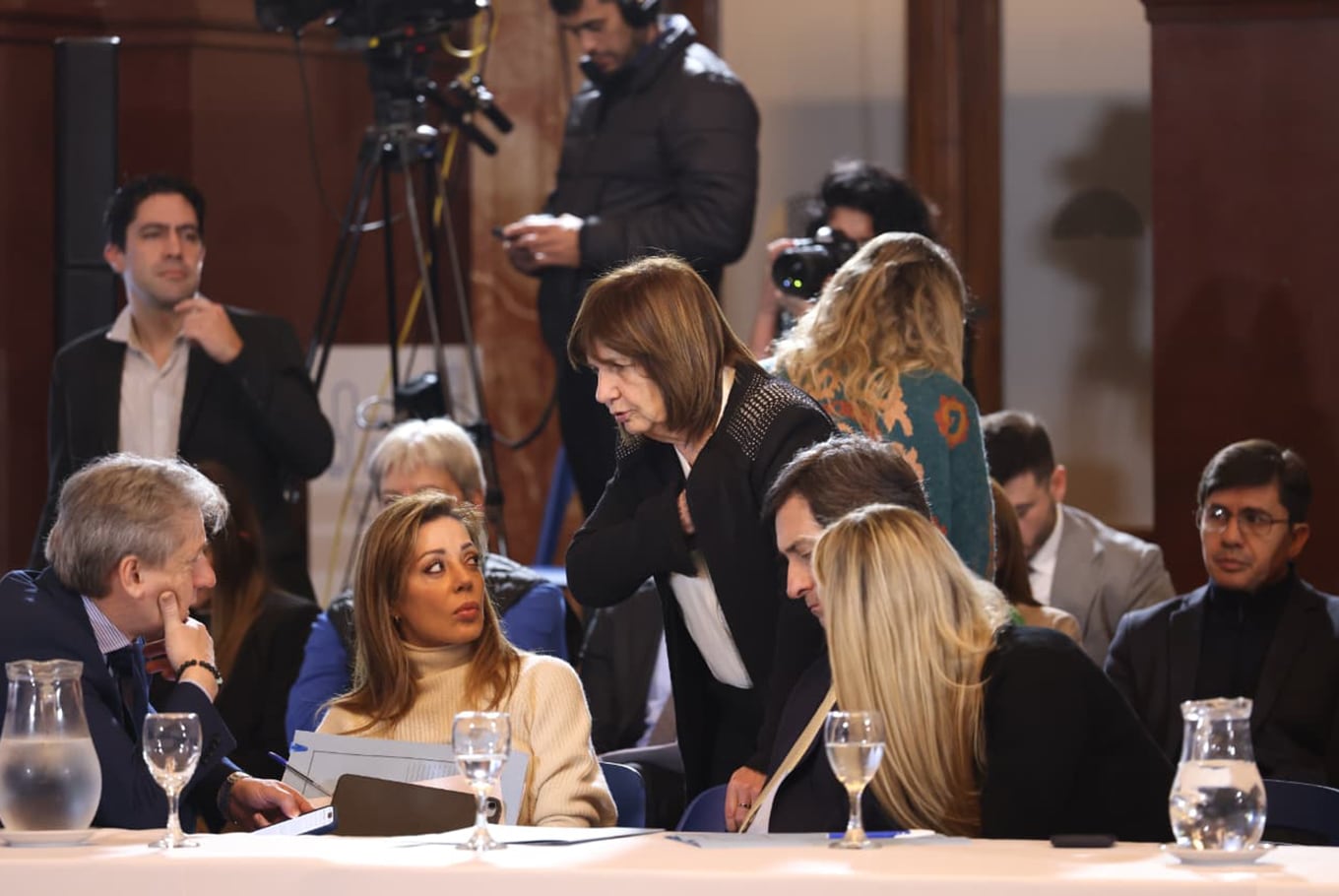
Bullrich's attempt to quickly advance the private property bill was thwarted after a nearly two-hour meeting with bloc leaders from the UCR, Pro, Peronist, and provincial parties. These legislators resisted convening this week, pushing the session to next week. The agenda for that session is expected to include the controversial deregulation bill proposed by Minister Federico Sturzenegger, alongside judicial nominations.
Optimism persists that amendments to the private property bill's committee report will lead to broad approval. "The text is agreed upon, we are just looking for it to encompass the largest number of blocs," stated one attendee. Nevertheless, progress on electoral reform remains stalled, with no start date set for its treatment. The government's primary objective, championed by the Secretary General of the Presidency, Karina Milei, is to eliminate the mandatory primary elections (PASO). However, significant opposition sectors are unwilling to abolish them, viewing them as a crucial tool for organizing heterogeneous electoral fronts, especially ahead of a presidential election.
Bullrich reiterated the government's arguments that PASO are an unnecessary public expense and complicate presidential elections. Despite these efforts, resistance to eliminating the primaries remains strong, with potential executive branch concessions to provinces failing to sway opposition. The political climate is not conducive to suspending the PASO at this time.
DistantNews Editorial
Originally published by La Nación in Spanish. Translated, summarized, and contextualized by our editorial team with added local perspective. Read our editorial standards.
More Stories

From Our Blog

What Gets Lost (and Found) When News Is Translated

The Critical Role of Diaspora Media in Global News

What Travellers Should Know About Countries with Restricted Press

A Digital Nomad's Guide to Following Local News

How the Same Story Looks Different in Different Countries
