

Nobel Laureate's Cryptic Statement Sparks Debate on Hungarian Cultural Divides
Translated from Hungarian, summarized and contextualized by DistantNews.
At a glance
Analysis
Sources not specified
Context piece
- A Hungarian article discusses a cryptic statement by a Nobel laureate writer, László Krasznahorkai, about bridging political divides.
- The author speculates on the meaning of the statement, questioning whether it implies political compromise or a deeper commentary on cultural conflict.
- The piece reflects on the potential for inclusivity in award ceremonies and the writer's possible intention to provoke reactions.
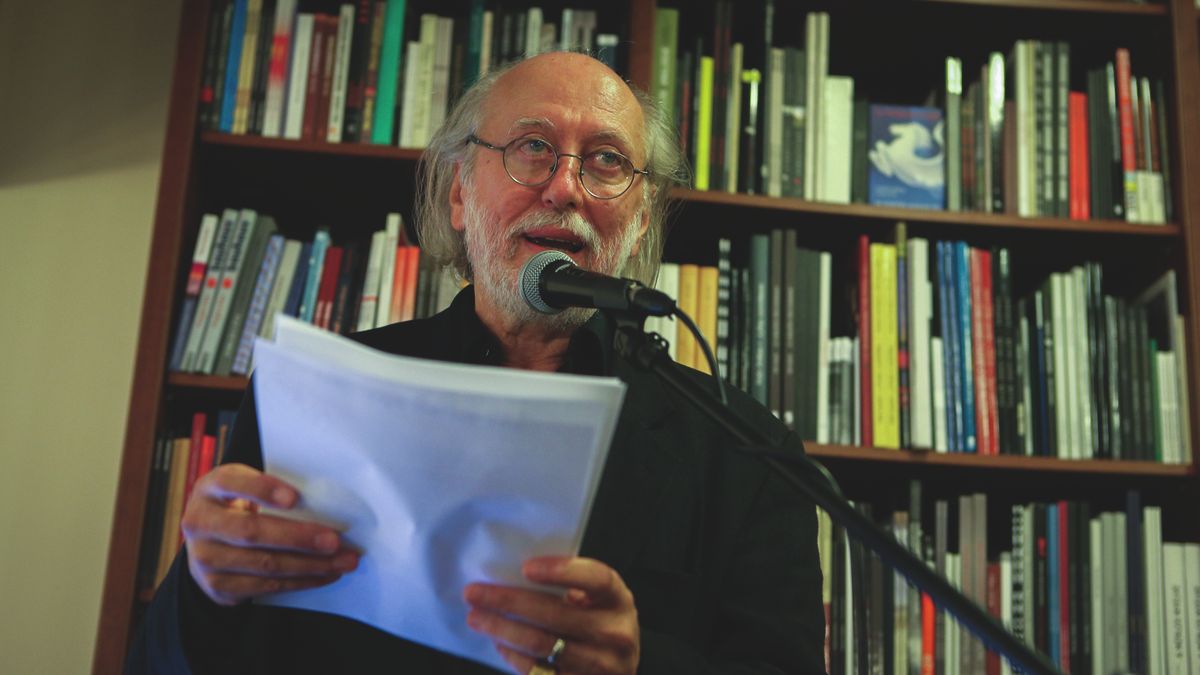
A recent statement by Nobel laureate writer László Krasznahorkai has sparked debate and speculation regarding its intended meaning, particularly concerning the bridging of political divides within Hungary's cultural sphere. The writer's cryptic words, "We shouldn't talk about it, we should do it," have led to various interpretations.
One line of thought suggests the statement might allude to a potential political bargain. This arises if an individual associated with the more autonomous Széchenyi Literary and Art Academy receives an award supported by the former government, leading to suspicions of an unprincipled political deal. Alternatively, the phrase could imply that some individuals felt compelled to accept an award, perhaps one that includes a lifelong monthly stipend, leaving them with no other choice.
The article ponders whether Krasznahorkai's intention was to signal a genuine effort to overcome ideological rifts, possibly by including dissenting voices among award recipients. However, it questions if this approach might be undermined by a sense of "aristocratic arrogance." The author wryly suggests that continuing on the current path might lead to burying these divides "with each other's corpses," a dark metaphor for the potential consequences of unresolved conflict.
Another possibility explored is that Krasznahorkai, unconcerned with the publicized cultural wars, might have deliberately introduced a provocative element into a stagnant situation simply to gauge reactions. The author notes that if someone, even a prominent figure like Krasznahorkai, fails to communicate with sufficient clarity and tact, they should not be surprised if their actions are perceived as attempts to stir the waters. This is especially true given Krasznahorkai's perceived distance from the conservative political side, making any perceived irony particularly potent.
DistantNews Editorial
Originally published by Magyar Nemzet in Hungarian. Translated, summarized, and contextualized by our editorial team with added local perspective. Read our editorial standards.
More Stories


From Our Blog

Countries Without a Free Press: What You Need to Know

What Press Freedom Means for the News You Read

What Gets Lost (and Found) When News Is Translated

The Critical Role of Diaspora Media in Global News

What Travellers Should Know About Countries with Restricted Press
