


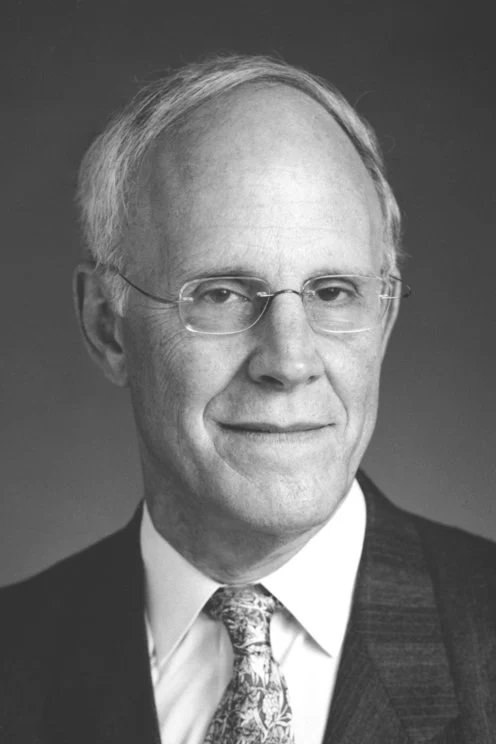
Nobel Laureate Warns: Humanity Has Only 35 Years Left Due to Nuclear War Threat
Translated from Korean, summarized and contextualized by DistantNews.
TLDR
- Nobel laureate physicist David Gross warns that humanity has only about 35 years left due to the threat of nuclear war.
- Gross estimates the annual probability of nuclear war at 2%, based on current geopolitical tensions and the proliferation of nuclear weapons.
- He also expressed concerns about AI's role in decision-making for nuclear weapons, citing the Fermi Paradox as a cautionary tale of self-destruction.
A stark warning has emerged from the scientific community, with Nobel laureate physicist David Gross asserting that humanity faces an existential threat from nuclear war, estimating our remaining time at a mere 35 years. This grim prognosis, shared in a recent interview, underscores the escalating dangers of the current global climate.
I am spending time informing people that the probability of them living another 50 years is very low. The time left for you is about 35 years due to the risk of nuclear war.
Gross's calculation is based on an estimated 2% annual probability of nuclear war, a figure he believes has worsened significantly since the end of the Cold War. He points to ongoing conflicts, the rhetoric surrounding nuclear weapon use, and the increasing number of nuclear-armed states as critical factors contributing to this heightened risk. The breakdown of international agreements and norms, he argues, has created a more volatile environment where the potential for catastrophic conflict is alarmingly real.
If there is a 2% chance of nuclear war every year, the life expectancy is about 35 years.
Beyond the immediate threat of state-sponsored nuclear conflict, Gross also voiced concerns about the integration of artificial intelligence into military decision-making. He highlighted the potential for AI errors, or 'hallucinations,' to trigger devastating consequences, particularly in the rapid-fire context of nuclear missile deployment. This technological advancement, he suggests, adds another layer of existential risk to an already precarious situation.
They destroyed themselves.
Drawing a parallel with the Fermi Paradox – the question of why we haven't encountered extraterrestrial intelligence – Gross posited that the most plausible answer is self-destruction. He sees this as a potential fate for advanced civilizations, including our own, if we fail to address the self-inflicted threats posed by nuclear weapons and unchecked technological development. However, Gross also offered a sliver of hope, emphasizing that nuclear war is a human-made threat that can be averted through dialogue and concerted international action.
There are measures that can be easily taken at the national level. Talking to each other.
DistantNews Editorial
Originally published by Dong-A Ilbo in Korean. Translated, summarized, and contextualized by our editorial team with added local perspective. Read our editorial standards.
More Stories


From Our Blog

What Gets Lost (and Found) When News Is Translated

The Critical Role of Diaspora Media in Global News

What Travellers Should Know About Countries with Restricted Press

A Digital Nomad's Guide to Following Local News

How the Same Story Looks Different in Different Countries
