


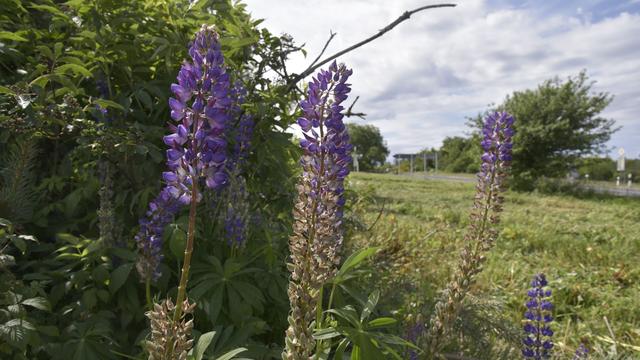
Non-native garden lupine spreads in Germany, posing ecological threat
Translated from German, summarized and contextualized by DistantNews.
At a glance
News
Sources not specified
Context piece
- The non-native garden lupine is spreading rapidly in Germany, posing an ecological threat.
- While visually appealing, the plant can displace native flora and alter ecosystems.
- Conservationists are concerned about its invasive potential and are calling for monitoring and control measures.
The garden lupine, a plant often admired for its vibrant blooms, is increasingly recognized as an ecological threat in Germany. Its rapid spread across the country is raising alarms among conservationists who fear it could displace native plant species and disrupt delicate ecosystems. Once a symbol of ornamental gardens, the non-native lupine now presents a significant challenge to biodiversity.
While the lupine's striking appearance has made it a popular choice for gardens and roadsides, its aggressive growth habit allows it to outcompete indigenous plants. Experts warn that this unchecked expansion can lead to a reduction in the variety of local flora, impacting the insects and animals that depend on them. The plant's ability to fix nitrogen in the soil can also alter soil composition, further disadvantaging native species adapted to different conditions.
Conservation organizations are urging for increased monitoring of lupine populations and the implementation of control measures to curb its invasive spread. The challenge lies in balancing the plant's aesthetic appeal with the urgent need to protect Germany's natural habitats. Efforts to manage the lupine are crucial to preserving the country's rich botanical diversity for the future.
DistantNews Editorial
Originally published by Die Zeit in German. Translated, summarized, and contextualized by our editorial team with added local perspective. Read our editorial standards.
More Stories



From Our Blog

What Gets Lost (and Found) When News Is Translated

How the Same Story Looks Different in Different Countries

The Critical Role of Diaspora Media in Global News

What Travellers Should Know About Countries with Restricted Press

A Digital Nomad's Guide to Following Local News
