


North Korea demands nuclear recognition from China ahead of Xi's visit
Translated from Korean, summarized and contextualized by DistantNews.
At a glance
News
Named sources
Context piece
- Chinese President Xi Jinping is set to make a state visit to North Korea, the first in seven years, amidst escalating nuclear rhetoric from Pyongyang.
- North Korea is signaling its demand for recognition as a nuclear state, framing its nuclear weapons as a non-negotiable defense and sovereignty issue.
- The visit occurs against a backdrop of US-China strategic competition and growing North Korea-Russia ties, with both China and North Korea having complex calculations for the summit.
Chinese President Xi Jinping is scheduled for a state visit to North Korea on June 8-9, marking his first trip to the country in seven years. Ahead of the summit, North Korea has intensified its nuclear posturing, persistently signaling its demand for international recognition as a nuclear-weapon state. Pyongyang has declared its nuclear status as an "absolute, unshakeable red line" and emphasized that it will never compromise on national defense and sovereignty.
Our status as a nuclear-weapon state is an absolute, unshakeable red line, and we will never compromise on national defense and sovereignty.
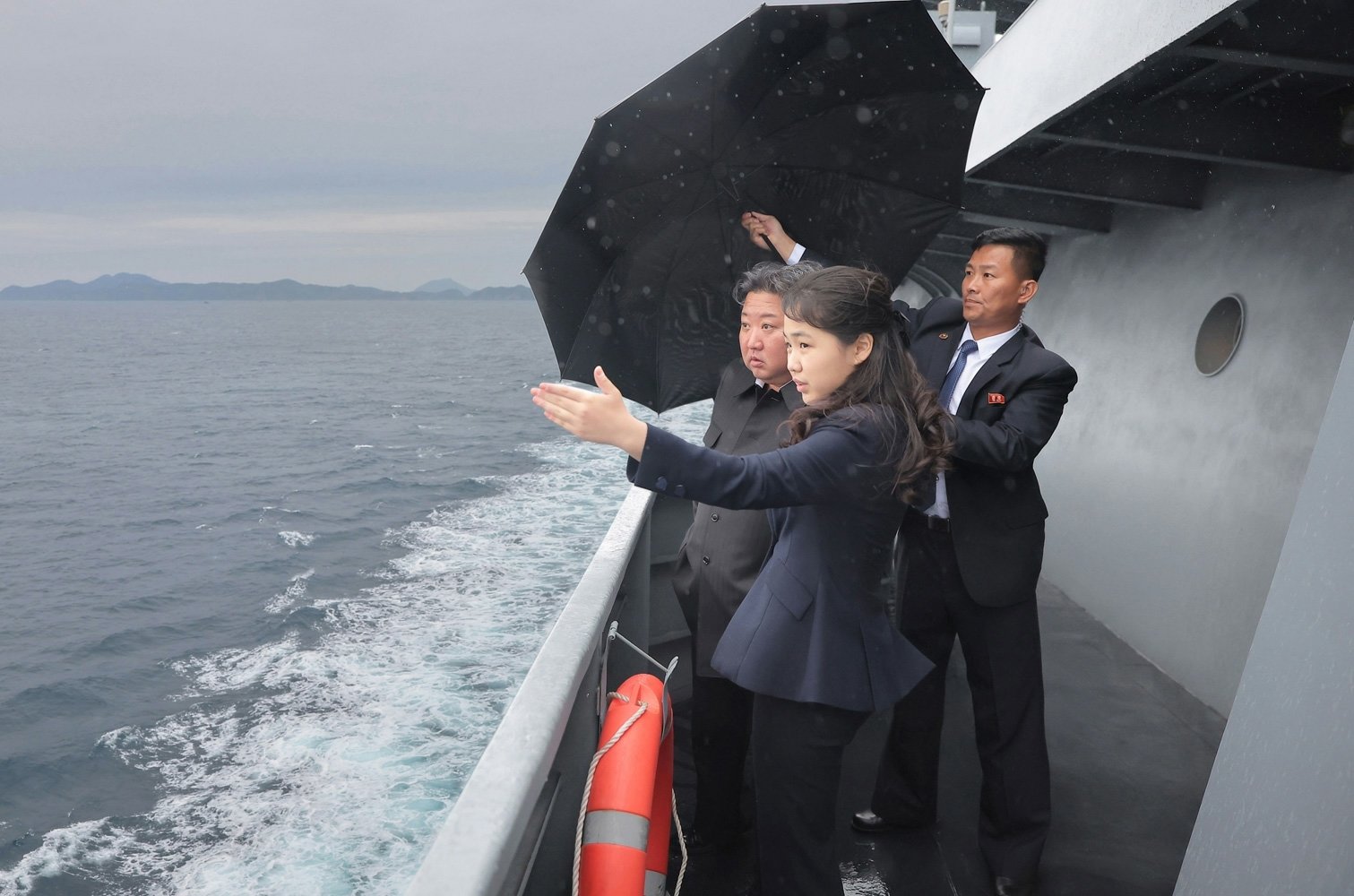
Kim Yo Jong, a key official in the North Korean Workers' Party, recently dismissed claims of agreement on North Korea's denuclearization between the US and China as "complete fabrication." She asserted that North Korea possesses the most accurate information regarding such discussions, implying that China has assured Pyongyang that it does not support the US goal of denuclearization. This statement follows recent actions by North Korean leader Kim Jong Un, including emphasizing nuclear force enhancement at a new uranium enrichment facility, observing the sea trials of a new destroyer with his daughter, and visiting munitions factories to direct missile capability expansion.
Analysts interpret North Korea's unusual actions as a strategic maneuver to pressure China into acknowledging its advanced nuclear capabilities and accepting it as a nuclear-armed state and an equal strategic partner, rather than a target for denuclearization. This preemptive strategy aims to block denuclearization from being a primary agenda item and secure China's tacit approval of its nuclear status and the undermining of international sanctions.
The claims of agreement on North Korea's denuclearization between the US and China are complete fabrications and utterly false information.
China's response is expected to be nuanced. While not explicitly recognizing North Korea's nuclear status, Beijing may gradually signal its acceptance through large-scale economic cooperation and other gestures. Xi's strategic calculation is centered on managing North Korea within the broader context of US-China competition. Experts suggest that China aims to prevent escalation on the Korean Peninsula before the anticipated September summit between Xi and US President Donald Trump, while also countering growing North Korea-Russia alignment and strengthening its own influence.
The character of North Korea's nuclear capability enhancement is a demonstration of pressure on China to recognize North Korea not as a target for denuclearization, but as a nuclear-armed state and an equal strategic partner.
Another significant agenda item for the summit is securing North Korea's agreement for China's "East Sea passage rights" via the Tumen River. China has long sought access to the Pacific Ocean through this route, which is currently blocked at the river's lower reaches. This is crucial for the economic development of China's northeastern provinces and for securing an advantage in the strategic competition with the US through Arctic routes. The joint statement from the recent China-Russia summit mentioned continued trilateral discussions on the Tumen River passage issue, indicating that China has secured Russian consent and is now focused on persuading North Korea. This gives North Korea significant leverage in negotiations with China. Potential outcomes include China utilizing North Korean ports like Rajin or Chongjin, or proposing joint development of the Tumen River area.
Xi Jinping's visit to Pyongyang has the primary objective of managing North Korea within the broader framework of US-China relations.
DistantNews Editorial
Originally published by Hankyoreh in Korean. Translated, summarized, and contextualized by our editorial team with added local perspective. Read our editorial standards.
More Stories


From Our Blog

What Gets Lost (and Found) When News Is Translated

The Critical Role of Diaspora Media in Global News

What Travellers Should Know About Countries with Restricted Press

A Digital Nomad's Guide to Following Local News

How the Same Story Looks Different in Different Countries
